


/file/publisher-c1a3f893382d2b2f8a9aa22a654d9c97/2022/12/1e335a53a7ad08aa13b1baa45b5baf83.jpg)

COMMENT | Anwar is Zahid’s biggest collateral damage
The coalition government’s 148-seat two-thirds majority consists of three players: Pakatan Harapan’s 82 seats, BN (30), and the assorted Borneo parties’ 36 MP seats [GPS (23), GRS (6), Warisan (3), KDM (1), PBM (1) and independents (2)].
Technically, even if BN walks out, the coalition government still has 118 seats. But that would mean all three Malay-Muslim nationalist parties – PAS (43), Bersatu (31) and Umno’s (26) – are in the opposition, politically undermining the coalition government’s communal legitimacy.
Keeping Umno afloat is therefore important for Anwar’s government itself to stay afloat. It is fundamentally about wooing back the middle-ground Malay votes lost to PAS and Bersatu...
COMMENT | For those who think Umno president Ahmad Zahid Hamidi is what Prime Minister Anwar Ibrahim needs for his coalition government’s survival, the sacking of Khairy Jamaluddin and suspension of Hishammuddin Hussein proves that Zahid may also destabilise the government and, in the worst case scenario, even cause its downfall.
The coalition government’s 148-seat two-thirds majority consists of three players: Pakatan Harapan’s 82 seats, BN (30), and the assorted Borneo parties’ 36 MP seats [GPS (23), GRS (6), Warisan (3), KDM (1), PBM (1) and independents (2)].
Technically, even if BN walks out, the coalition government still has 118 seats. But that would mean all three Malay-Muslim nationalist parties – PAS (43), Bersatu (31) and Umno’s (26) – are in the opposition, politically undermining the coalition government’s communal legitimacy.
Keeping Umno afloat is therefore important for Anwar’s government itself to stay afloat. It is fundamentally about wooing back the middle-ground Malay votes lost to PAS and Bersatu.
How successful such an effort can be is the waiting test of the six-state midterm election, which can be as late as mid-August but is contemplated to be held in July or June.
Pre-empting a bottom-up challenge
How can Umno rise from its ashes and make a comeback?
The first alternative is having a new leadership, new direction, and fresh narrative to instil interests and hopes amongst floating Malay voters.
This means a reformed Umno without Zahid and its allegiance to Harapan is not personal but structural – being No 2 to Harapan is better than being No 3 to PAS and Bersatu.
The opposite alternative is uniting under the existing leadership and hoping to win over the sceptical fence-sitters with control and distribution of patronage as a government party.
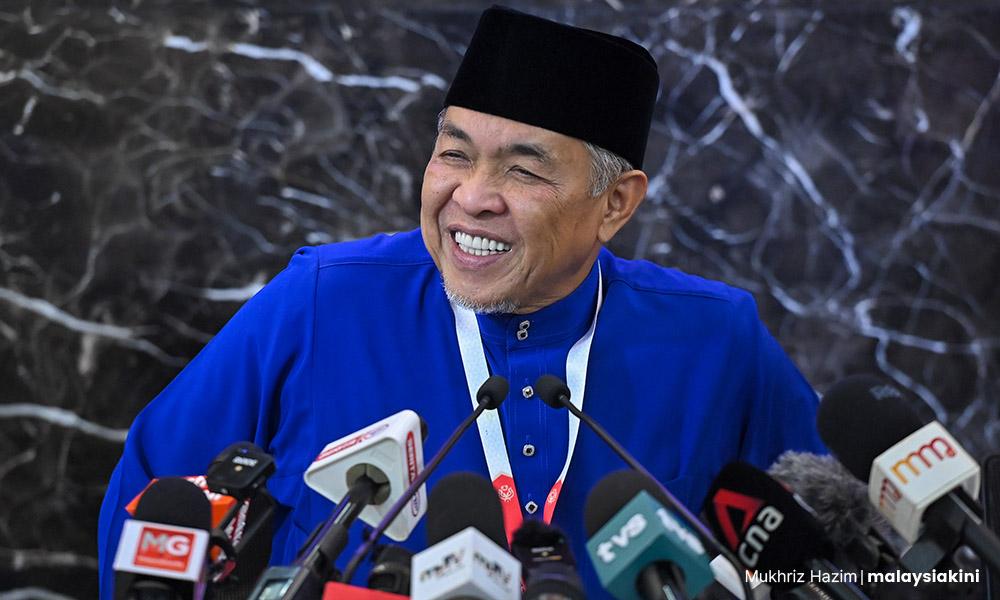
The no-contest resolution concerning the two top posts passed in Umno’s annual general assembly (AGM) on Jan 14 has largely closed the door on the first alternative.
However, if the undercurrent is strong, then Hishammuddin, Khairy, Shahril Hamdan Suffian, Noh Omar and others could have fought a campaign from the bottom-up to sweep through divisions, supreme council, Youth, Women and Puteri wings up to the three vice presidents.
This might leave Zahid and his deputy, Mohamad Hasan surrounded by their opponents in the supreme council.
The sacking and suspension of Zahid’s main rivals are to ensure the door is firmly closed, not even mildly ajar.
Umno’s ‘slaughtering field’ in the upcoming state elections
For the mid-term state elections, Zahid will put only his loyalists as candidates, effectively purging Khairy’s and Hishamuddin’s followers, repeating what he did to warlords like Noh, Annuar Musa, Shahidan Kassim, Zahidi Zainul Abidin and Mastura Mohd Yazid in GE15.
Umno lost all the seats previously held by the dropped incumbents. How can Umno do better this time around when more got ousted?
Why would Umno members supporting the axed leaders, let alone middle-ground Malays tired of corruption, come out to vote for Umno in Harapan-controlled Selangor, Negeri Sembilan and Penang, not to mention the PN-PAS states of Kelantan, Terengganu and Kedah?
By getting rid of its own generals, Umno is heading towards its own “slaughtering field” in the mid-term state election. What is Umno’s weapon to fight? No ideology, no direction, no narrative, no political stars - all Umno has would be the government’s patronage and largesse.
For this reason, PAS may halt its negotiation with the three Harapan states for a coordinated mid-term election and go ahead with early dissolution of its three states to deliver an immediate blow on Umno.
If PAS president Abdul Hadi Awang’s admission on giving voters money has allowed Harapan and BN in the past weeks to challenge PN’s claim as clean and anti-corruption, Umno’s purging last night has let PAS out of the hook, not just in media attention, but likely also in the state polls with its own abuse of government resources.
Is Umno taking MCA’s path?
More detrimental for Umno, using patronage power to swing middle-ground voters has sharply declined. Had it worked, today it would have been MCA holding 40 seats in parliament, not DAP.
Umno strategists might even have overlooked a similarity between MCA’s and Umno’s electoral fortunes with a lag of 10 years. Is MCA’s today going to be Umno’s tomorrow?
MCA’s electoral gain halved in 2008, dropping from 31 parliamentary seats and 76 state seats in 2004 to 15 and 32, respectively. If the sharp drop was unexpected, its worse results in 2013 (dubbed 7-11, for winning only seven parliamentary seats and 11 state seats) and 2018 were no longer surprises.
As DAP and Harapan captured state governments and performed better, the MCA’s standard narrative – “vote us or you have no representatives in government” – simply collapsed, as many MCA loyalists shifted to be middle-ground voters, while some middle-ground voters further shifted to be DAP/Harapan loyalists.
If Umno’s 2018 defeat is comparable to MCA’s 2008, then Umno’s 2022 bigger setback resembles MCA’s 2013. If Umno continues to have only patronage to offer, then its GE16 might look like MCA’s 2018.
Where would Khairy and Hishammuddin go?
How bad can Umno’s last night’s purging hurt the party and the coalition government may depend on how Khairy and Hishammuddin react.
Many Harapan supporters hope that Khairy – and his close associate Shahril - would join their ranks, especially PKR, as they appeal to a more urban, diverse, youthful and sophisticated segment of the electoral market.
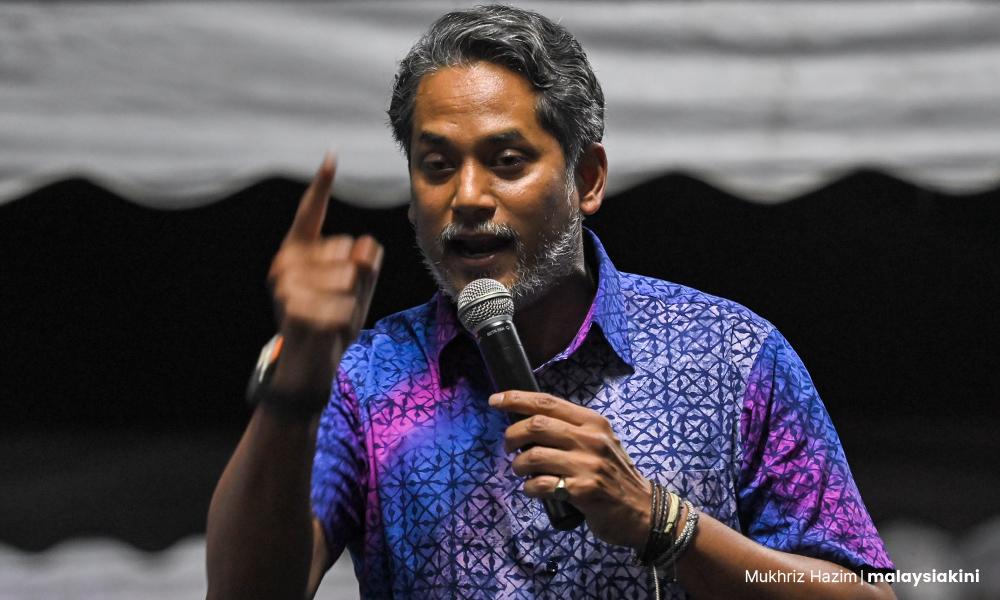
If this happens, Umno and ex-Umno dissidents under Harapan ticket may take on each other in the state polls. Given the deep enmity, such contests are unlikely to be friendly matches and may destabilise Harapan-BN relationship at the federal level. But this would be a lesser worry.
The opposite scenario would be worse for Harapan – if Khairy and Shahril join Bersatu, they would carry more Malay middle-ground voters, especially youngsters, to PN.
What may deter this move is that many in Bersatu, from ex-Umno leader Hamzah Zainuddin to ex-libertarian Wan Saiful Wan Jan, may not like the competition.
Would Hishammuddin do a ‘Shahrir’?
The biggest threat to Zahid now is Hishammuddin. Zahid spared him from sacking simply because the anti-hopping law would free him to join Bersatu. But a six-year suspension means that he is blocked from contesting in one to two cycles of general elections, effectively ending his political life.
Does Hishammuddin have the guts to leave the party and resign as MP to force a by-election, before or during Umno’s party election?
Would Hishammuddin emulate what Johor Umno veteran Shahrir Abdul Samad did to former Umno president Dr Mahathir Mohamad back in 1988? At the time, Shahrir won the by-election hands down – which was a slap to Mahathir’s face.
If Hishammuddin resigns, he has two advantages in retaining the seat. First, he is the fifth-term MP for Sembrong since 2004, winning on a margin of 10,000 votes and above, except in 2018.
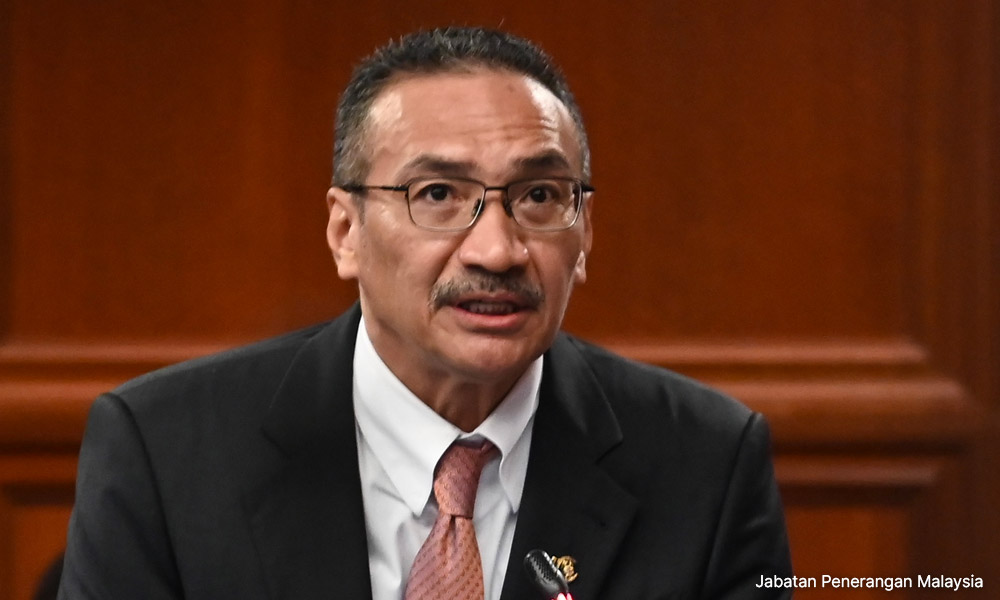
Second, and most importantly, this would be the national battle between “Zahid’s Umno versus all anti-Zahid forces”. Khairy, Noh and others can campaign all out for Hishammuddin before deciding their next move.
PAS may expedite its state elections to synchronise with the by-election in Sembrong, so that Harapan-BN’s machinery would be stretched.
In the event of Hishammuddin’s resounding victory, five other Umno MPs labelled as pro-PN, including former premier Ismail Sabri Yaakob and former Johor menteri besar Hasni Mohammad, may contemplate doing the same.
Anwar, the biggest collateral damage
Can Anwar prevent the worst scenario after Umno’s night of the long knives? In any case, Umno’s implosion promises to steal all limelight from his nation-rebuilding project of Malaysia Madani just launched last week, and sink all his signalling of political stability to the business community.
And it seems Anwar and his government are clearly the biggest collateral damage here.
WONG CHIN HUAT is an Essex-trained political scientist at Sunway University. He is a professor at the university’s Sustainable Development Solutions Network (SDSN) Asia. Mindful of humans’ self-interest motivation while pursuing a better world, he is a principled opportunist.
The views expressed here are those of the author/contributor and do not necessarily represent the views of Malaysiakini.
/file/publisher-c1a3f893382d2b2f8a9aa22a654d9c97/2022/12/27dd8d322c74dfd15bdcd70f448e47ee.jpg)
/file/publisher-c1a3f893382d2b2f8a9aa22a654d9c97/2022/12/1e0e555598376c376e00c711fc5da2c7.jpg)
/file/publisher-c1a3f893382d2b2f8a9aa22a654d9c97/2022/08/1b5eb92da3b01d2afd03c921ff9992ef.jpg)
/file/publisher-c1a3f893382d2b2f8a9aa22a654d9c97/2022/11/cbad7c66da32f02fc9e9042bb522a169.jpg)
/file/publisher-c1a3f893382d2b2f8a9aa22a654d9c97/2022/11/a6bc663198ee1205351ef245206eeeba.jpg)
/file/publisher-c1a3f893382d2b2f8a9aa22a654d9c97/2022/08/84f9e045026fef10711a0368fd7cf39c.jpg)


Report this comment
Are you sure you want to delete this comment?
This action cannot be undone.