


/file/1295/cd384a07190133499d7635acba1df472.jpeg)

COMMENT | Heatwave: Need for climate damages tax
COMMENT | The ongoing 2024 Southeast Asian heatwave has had devastating impacts on Malaysia. April 2024 was the warmest month on record - 1.58 degrees Celsius warmer than pre-industrial global temperatures.
Heatwaves are a direct and unavoidable consequence of increased global temperatures, and Malaysia is no exception to this trend.
Temperatures in Malaysia peaked at 38 degrees Celsius, causing at least one death and 27 other health-related cases reported from extreme heat, in addition to severe water shortages and loss of agricultural productivity.
Notably, research has shown that no one is exempt from experiencing heat stress in Malaysia, and one study found that at least RM1,300/person is lost in annual productivity in urban areas.
Who is responsible for the 2024 heatwave?
COMMENT | The ongoing 2024 Southeast Asian heatwave has had devastating impacts on Malaysia. April 2024 was the warmest month on record - 1.58 degrees Celsius warmer than pre-industrial global temperatures.
Heatwaves are a direct and unavoidable consequence of increased global temperatures, and Malaysia is no exception to this trend.
Temperatures in Malaysia peaked at 38 degrees Celsius, causing at least one death and 27 other health-related cases reported from extreme heat, in addition to severe water shortages and loss of agricultural productivity.
Notably, research has shown that no one is exempt from experiencing heat stress in Malaysia, and one study found that at least RM1,300/person is lost in annual productivity in urban areas.
Who is responsible for the 2024 heatwave?
Climate change is the primary driver of the intensity of the current heatwave. Illustrating this, data from World Weather Attribution shows that climate change increased the intensity of the current heatwave by 1.2 degrees Celsius in parts of Southeast Asia.
Addressing human-induced climate change is therefore imperative to managing the future intensity of heatwaves.
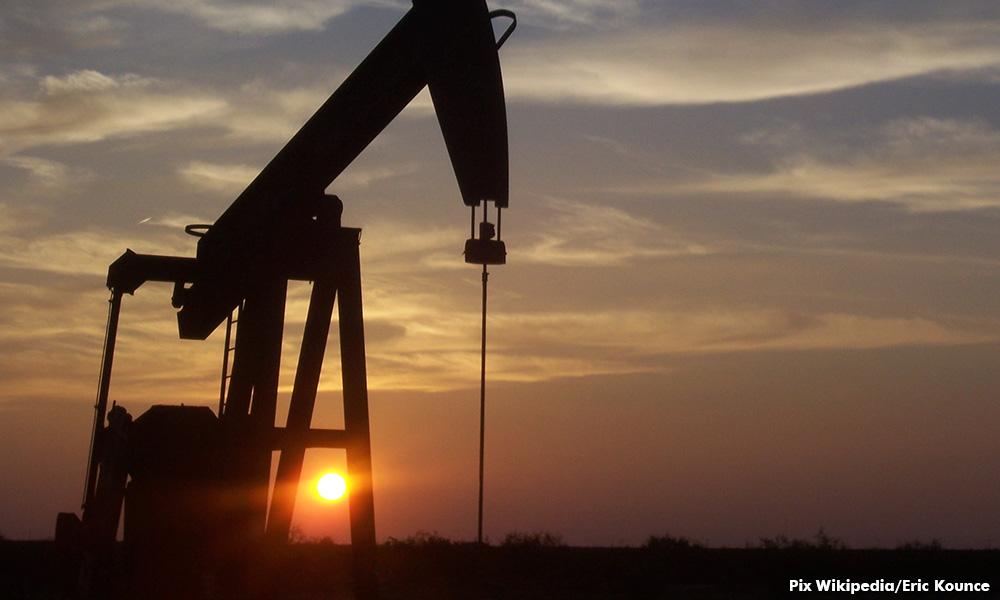
Fossil fuels and industry are responsible for 89 percent of global carbon dioxide emissions alone. Of this, 72 percent of global carbon dioxide emissions derive from a small set of 122 fossil fuel companies globally, also known as carbon majors.
As fossil fuel companies have contributed the lion's share of global carbon dioxide emissions, both historically and at present, they are the main contributors to climate change.
Therefore, as rulings in climate litigation around the world are increasingly corroborating, fossil fuel companies are responsible for heatwaves and should pay for damage caused by them in the past and the future.
Need for a climate damages tax
Fossil fuel companies must be held accountable for their emissions, both historical and present, that continue to accelerate climate change and exacerbate its impacts.
A proposed accountability mechanism is a climate damages tax (CDT), whereby a fee per tonne of carbon dioxide embedded is introduced for domestic coal, oil and gas extraction.
A Greenpeace report found that RM3.4 trillion (US$720 billion) could be raised globally by 2030 from taxing fossil fuel giants. Similarly to how royalties are currently paid to a local state for extraction, an additional sum will be paid to compensate for the environmental damages incurred through their extraction.
Similar to legal requirements to pay royalties to obtain a permit, there would be a legal obligation to pay the CDT or otherwise risk financial sanctions, in addition to reputational damage.
A direct fear that often stems from the introduction of a tax is that the cost will be passed on to the consumer. Here, it is the responsibility of the government to introduce legislation that prohibits excessive or unreasonable price increases, thus forcing fossil fuel producers to absorb the costs from their market share.
Fossil fuel companies have made excessive profits in the past century, estimated at RM13.2 billion per day over the last 50 years. This has arisen from the lack of environmental and social costs internalised in their costs of production.
Hence, fossil fuel producers must absorb these costs, which unless embodied, impact everyone.
Climate damages tax in Malaysia
Malaysia is a major contributor to fossil fuel emissions within and beyond our borders, and both local and international companies extract these fossil fuels.
The RW Future Emissions Database shows more than 70 proposed domestic fossil fuel projects, with global fossil fuel companies with a high historical emissions responsibility such as Shell playing a part in this.
For example, Shell is currently invested in 14 proposed projects. Applying the CDT to Malaysia, we can examine Shell’s involvement in just one of these projects: the Rosmari Marjoram gas project.

Shell's carbon lock-in from this project alone amounts to 92.5 million tonnes of carbon dioxide embedded. Using the proposed social cost of carbon, this translates to RM2,181,977,526 (US$462,479,340) in damages, assuming a starting rate of RM23.59 (US$5) per tonne of carbon.
These figures highlight the significant scale of emissions from a single project, underscoring the need for all fossil fuel companies, irrespective of their geography globally, to compensate for the climate damage they cause.
The logic is simple: you extract, you pay.
The funds raised from a CDT could be directed into an adaptation fund, which would finance both immediate responses to climate damages and long-term systemic adaptation projects.
The economic and human costs of climate change in Malaysia are staggering, with substantial losses in productivity and well-being due to increasing heatwaves. As temperatures continue to rise, the need for adaptation and mitigation measures becomes ever more urgent.
This scenario is not unique to Malaysia; other low-emission developing countries, such as Pacific island states, face existential threats from climate change despite their minimal contributions to the problem.
These nations require significant financial resources to adapt to and mitigate climate impacts.
To address these challenges, it is imperative to raise capital from the primary polluters - fossil fuel companies. The proposed CDT would ensure that these companies, which have profited enormously while externalising environmental costs, contribute their fair share to combating climate change.
The urgency of implementing such measures cannot be overstated. Immediate action is essential to secure the necessary funds for adaptation and to hold polluters accountable for the damages they have caused.
The views expressed here are those of the author/contributor and do not necessarily represent the views of Malaysiakini.
/file/publisher-c1a3f893382d2b2f8a9aa22a654d9c97/2023/10/b701e58fa445f549c9b5a9a81c8ee8c3.jpg)
/file/publisher-c1a3f893382d2b2f8a9aa22a654d9c97/2023/11/00a40f2ba80372040379614d29b6fb9b.jpg)
/file/publisher-c1a3f893382d2b2f8a9aa22a654d9c97/2024/03/844d5c1e9edb915fa6bb61932c3fff68.jpg)
/file/publisher-c1a3f893382d2b2f8a9aa22a654d9c97/2023/09/e0c122ba666b5ea999e51558cc8688b9.jpg)
/file/publisher-c1a3f893382d2b2f8a9aa22a654d9c97/2021/02/ae2da0a225d868d50a9a0daa2be21450.jpg)


Report this comment
Are you sure you want to delete this comment?
This action cannot be undone.