


/file/publisher-c1a3f893382d2b2f8a9aa22a654d9c97/2023/10/9d07dac4b6cf0a399c65ac91748b900d.jpg)

COMMENT | Numbers are better than the noose
COMMENT | Eight and 10. Those were the “lucky” numbers that saved Syed Mohammad Hakimi Rahman’s life.
On June 27, 2024, the Penang High Court decided to spare his life despite him being found guilty of trafficking 801g of cannabis.
Previously, this had been a mandatory death penalty offence, but Section 39B of the Dangerous Drugs Act 1952 was amended and the mandatory death sentence was removed. It was replaced with a discretionary death sentence for drug trafficking.
Judge Azmi Ariffin also sentenced Syed Mohammad to eight years in prison and 10 strokes of the rotan, highlighting public policy considerations that young offenders should not endure lengthy incarceration.
COMMENT | Eight and 10. Those were the “lucky” numbers that saved Syed Mohammad Hakimi Rahman’s life.
On June 27, 2024, the Penang High Court decided to spare his life despite him being found guilty of trafficking 801g of cannabis.
Previously, this had been a mandatory death penalty offence, but Section 39B of the Dangerous Drugs Act 1952 was amended and the mandatory death sentence was removed. It was replaced with a discretionary death sentence for drug trafficking.
Judge Azmi Ariffin also sentenced Syed Mohammad to eight years in prison and 10 strokes of the rotan, highlighting public policy considerations that young offenders should not endure lengthy incarceration.
As a young advocate, I’d say this demonstrates a belief in giving youth a second chance to return to the right path as they represent the future of our nation.
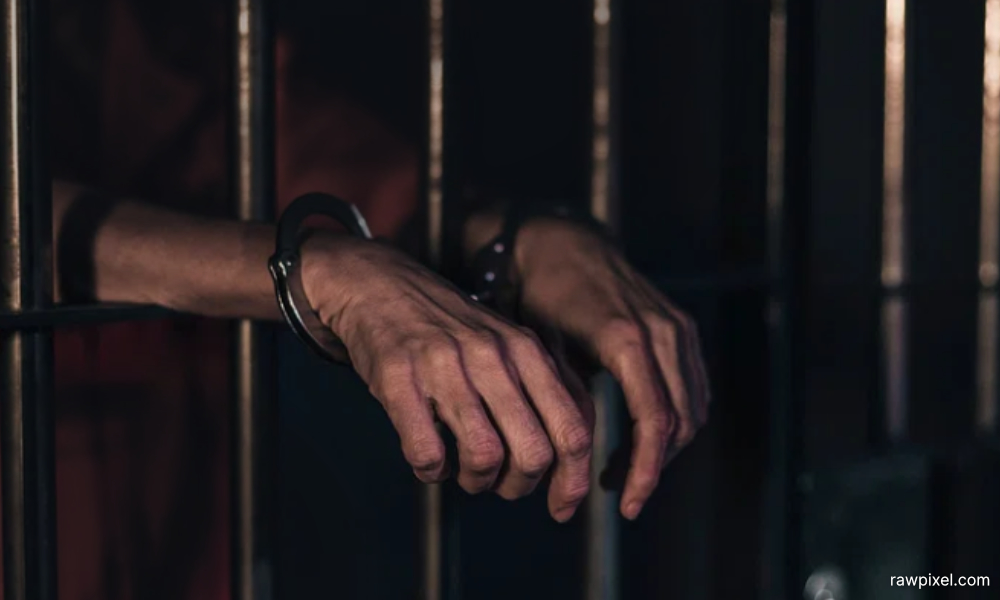
Long-term incarceration can often lead to adverse outcomes. Prisons are filled with hardened criminals and young offenders run the risk of being influenced by these seasoned inmates.
Rather than achieving rehabilitation, extended imprisonment might result in young individuals becoming more entrenched in criminal behaviour.
A proportionate sentence, like the one given to Syed Mohammad, sends a clear message that there are consequences for breaking the law while still allowing for the possibility of rehabilitation and reform.
Wrong and ineffective
Frankly speaking, no justice system is infallible; mistakes can happen and people can be wrongly convicted.
Advancements in forensic technology have exonerated some who were earlier put on death row. A wrongful execution would have meant an irreversible loss of an innocent life.
Apologies from authorities cannot undo this ultimate injustice and the death penalty can perpetuate cycles of violence and trauma, making it difficult for those affected on both sides to heal and move forward.
I believe that taking a human life is inherently wrong, regardless of the circumstances. Not all offenders are beyond redemption. Given the right time and environment, some individuals can be rehabilitated.
A significant number of years of imprisonment offers the opportunity for reformation, allowing offenders to contribute positively in controlled settings, such as through restorative justice programmes.

Malaysia has not carried out an execution since 2017 and there is a moratorium in place.
Despite ongoing executions around the world, I have not seen consistent evidence that the death penalty effectively reduces violent crime rates. In countries and states where the death penalty is frequently implemented, including Malaysia, violent crime rates show no consistent pattern of decline.
Other factors, such as economic conditions, policing strategies, and community programmes seem to have a more significant impact on crime rates.
For instance, data from the United States’ Death Penalty Information Center showed that states without the death penalty consistently have lower murder rates compared to those that retain it.
In 2019, the murder rate in non-death penalty states was 4.1 per 100,000 people, compared to five per 100,000 in states that practise the death penalty.
Restoration, not retribution
Restorative justice is a valuable alternative to the death penalty. This approach emphasises repairing the harm caused by criminal behaviour through reconciliation with victims and community service.
It focuses on accountability, making amends, and fostering empathy in offenders. Implementing restorative justice programmes provides a meaningful path for offenders to demonstrate remorse, take responsibility for their actions, and work towards rebuilding trust within the community.
This approach facilitates healing for both victims and offenders and promotes a more compassionate and effective justice system.
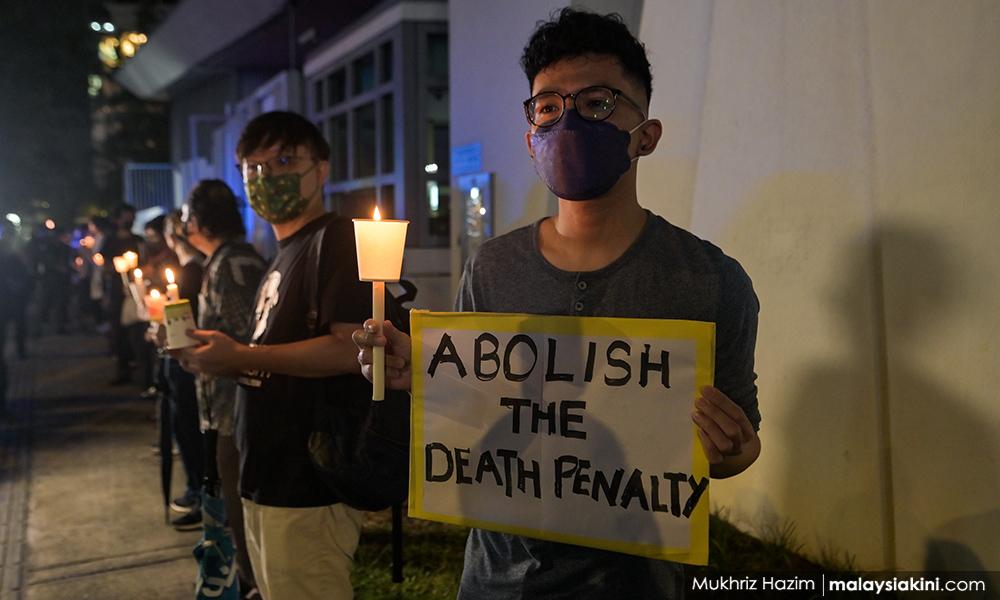
From a global perspective, there is a growing movement towards the abolition of the death penalty.
More than two-thirds of the world’s countries have abolished it in law or practice. International human rights organisations view capital punishment as a violation of the fundamental right to life.
By aligning with these global trends, we can enhance our human rights record, improve international relations, and set a progressive example of our commitment to humane and just legal practices.
I believe that criminal justice policies should be driven by data and that policymakers should base their decisions on research that demonstrates the effectiveness of non-lethal, rehabilitative approaches.
By focusing on data-driven strategies, we can implement measures that genuinely reduce crime rates and promote social stability.
The death penalty is not only a morally questionable practice but also an ineffective and costly approach to justice. Instead, we must strive for a justice system that embodies the values of rehabilitation, compassion, and restorative justice.
It is time to move away from irreversible punishment and embrace a future where justice is not measured by the severity of a sentence but by the capacity to heal, restore, and rebuild.
The true strength of our society lies not in its ability to take life but in its courage to save it, offering second chances and guiding individuals from darkness toward a path of light and rehabilitation.
NURUL ANNA MAUSAR is a law student committed to upholding justice, advocating for human rights, and being a voice for her community.
The views expressed here are those of the author/contributor and do not necessarily represent the views of Malaysiakini.
/file/1327/3eba9c86c93a6479beb0c3f191fbc89a.jpeg)
/file/publisher-c1a3f893382d2b2f8a9aa22a654d9c97/2019/11/f9023d9fbcb61a3c740c6e5fdba171ab.jpg)
/file/publisher-c1a3f893382d2b2f8a9aa22a654d9c97/2020/10/016b4d66fbad74d3ce60b7e86846eb9d.jpg)
/file/publisher-c1a3f893382d2b2f8a9aa22a654d9c97/2020/10/2bda679309c88e264ef963588bbe46d2.jpg)
/file/publisher-c1a3f893382d2b2f8a9aa22a654d9c97/2024/07/77f1f61ad1b45481c670b58c230963f4.jpg)
/file/publisher-c1a3f893382d2b2f8a9aa22a654d9c97/2019/08/ce79b83aac56c1fe96b685416ae3ed5c.jpg)


