


/file/publisher-c1a3f893382d2b2f8a9aa22a654d9c97/2021/06/8f3f5f6cad60bc59b1cc5d6bcac0805c.jpg)

COMMENT | Task force needed to solve high insurance premiums
COMMENT | A coordinated effort between health insurers, hospitals, Bank Negara Malaysia (BNM), and the Health Ministry is needed to lower high and rising medical insurance premiums following rising private hospital charges.
The cost of medical insurance is going up at a rate so high that medical care in private hospitals is going to be unaffordable for most people, even for those who took medical insurance many years ago to avoid precisely such a situation.
That’s because both insurers and private hospitals are eagerly and jealously guarding their profitability, the burden then falls on the person who takes insurance because he can’t pay the cost of medical treatment. Now he won’t be able to afford even the premium.
Insurers are increasing premiums so much at the higher age brackets to force people to drop out of their medical plans, therefore avoid having to make high payouts when the insured needs it the most - in old age.
COMMENT | A coordinated effort between health insurers, hospitals, Bank Negara Malaysia (BNM), and the Health Ministry is needed to lower high and rising medical insurance premiums following rising private hospital charges.
The cost of medical insurance is going up at a rate so high that medical care in private hospitals is going to be unaffordable for most people, even for those who took medical insurance many years ago to avoid precisely such a situation.
That’s because both insurers and private hospitals are eagerly and jealously guarding their profitability, the burden then falls on the person who takes insurance because he can’t pay the cost of medical treatment. Now he won’t be able to afford even the premium.
Insurers are increasing premiums so much at the higher age brackets to force people to drop out of their medical plans, therefore avoid having to make high payouts when the insured needs it the most - in old age.
Let me first relate my own experience with a moderate C Plan as an example.
Preposterous, frequent increases
I had to pay an increase of 50 percent in premiums from April this year to RM9,819 per year from RM6,546, this in my 71st year when I could least afford it as I am already in retirement.
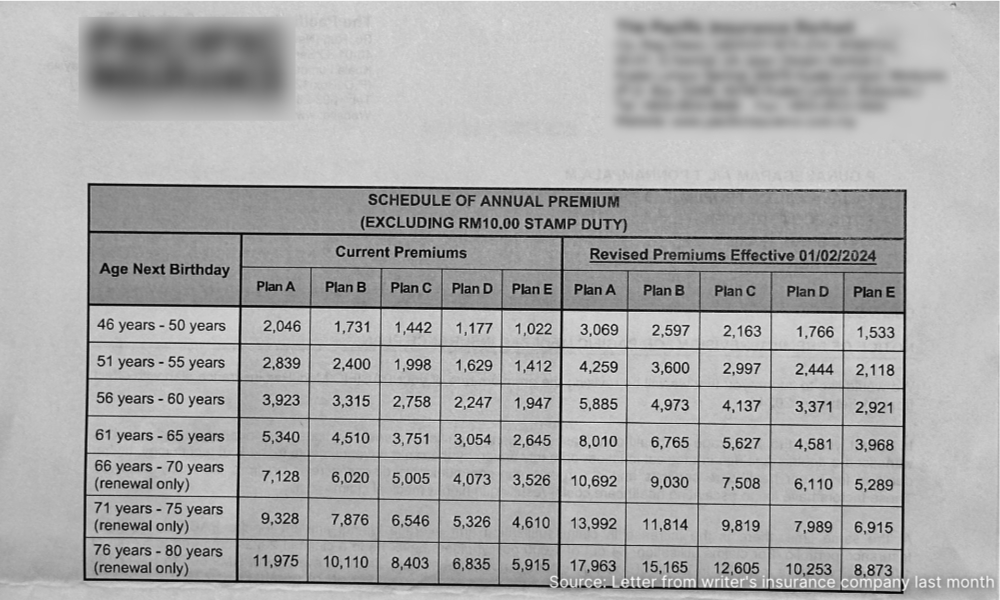
The premium increases were sharp even before that. In 2018, I paid just RM5,316 and before that RM3,751. In 2006, I paid only RM1,225, showing a sharp increase in premiums over the years.
Some 18 years later, when my income is only a tenth of what I earned before, I am paying eight times as much in medical insurance premiums.
For most of about 25 years of having this policy, I only made three claims - in 2020 and 2021, totalling perhaps RM80,000. For the rest of the time, the insurance company had my money for free.
Now, they want to increase it by a further 40-70 percent next year. That means I will be paying about RM17,000 from a base of RM9,819, assuming the worst!
I don’t anticipate paying RM17,000 in medical costs so I may drop out, putting the saved costs into a fund for myself.
From RM6,546 in April last year to RM17,000 within a year - this is 2.6 times or a massive 160 percent increase. How can anyone put up with this? What is BNM doing about it? Why is it even allowing this?
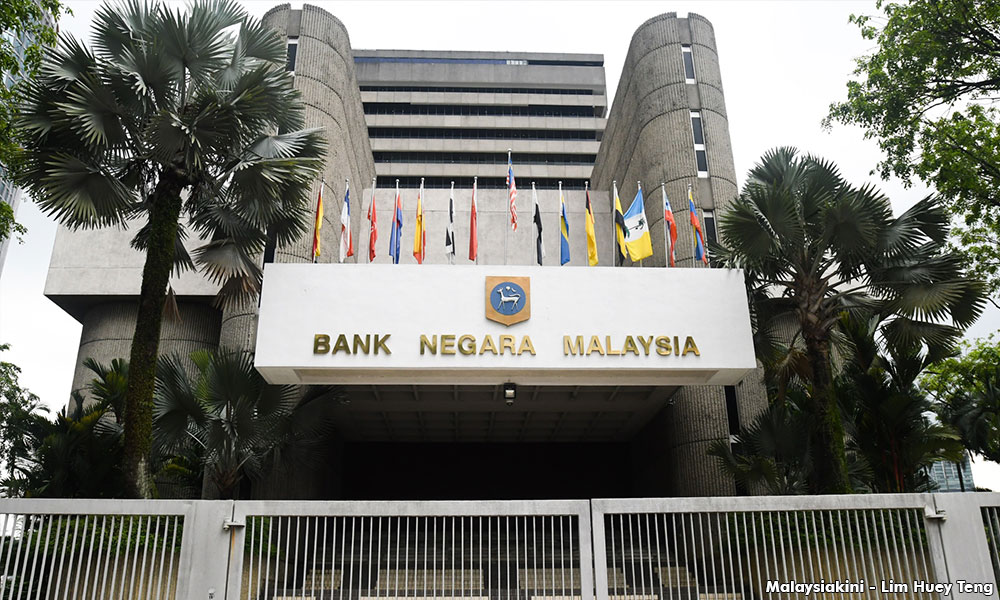
Life Insurance Association of Malaysia (Liam) CEO Mark O’Dell, despite all the protests, said recently the proposed increases of 40-70 percent in premiums for next year would remain and increases will only be gradual after that.
That’s preposterous because, only this year, most premiums at the higher age brackets went up by as much as 50 to 100 percent. Add another 40 to 70 percent planned for next year on top of that amounts to as much as 110 percent to 240 percent over two years! Ridiculous.
(Here is how I calculated it: At the lower end, we start with 100. It increases to 150 with a 50 percent increase. With a further 40 percent, it rises to 210, an increase of 110 percent. At the upper end, start with 100. A 100 percent increase takes it to 200. A further 70 percent increase makes it 340, an increase of 240 percent from the start.)
Insurers and private hospitals benefit
The problem is not the frequent announcements - they have done that - it’s the preposterous frequent adjustments. The beneficiaries, the insurance companies and the private hospitals, are keen to safeguard their high profits.
This silly, repeated increase in premiums far in excess of the medical inflation of 12-13 percent, already doubles the world average of 5-6 percent and indicates that somewhere along the way, someone’s making a lot of money.

It can only be either one or both of the two - the insurers and the private hospitals. Let’s take each in turn, starting with insurance companies.
According to BNM’s financial stability report for the insurance and takaful sector, overall profitability of life insurance and family takaful funds was two and half times at RM8 billion in the first half of this year compared to the second half of 2023, when it earned RM3.2 billion.
That is an incredibly high figure. BNM, the insurance regulator, said that in 2023, Malaysia recorded a medical cost inflation of 12.6 percent, which is significantly higher than the global average of 5.6 percent.
If that is so, why is there a need to increase premiums by between 110 and 240 percent in just two years? How can that be possibly justified when BNM’s latest figures for the insurance industry do not show that it is in any particular difficulty?
Health insurance statistics are hard to come by, but one estimate puts it at US$920 million or just over RM4 billion in 2024 in terms of gross premiums written.

According to another estimate, the Malaysian life insurance industry’s gross written premiums reached RM59.7 billion which indicates that medical insurance is just about 6.7 percent of the total life insurance market.
Insurers in good shape
If the life insurance industry keeps up the same performance in the second half of this year, then the full 2024 profit would be around RM16 billion. That represents a huge profit margin of 26.6 percent on total premiums written, showing an industry in pretty good shape.
Sure, medical insurance is only a small part of life insurance but with that kind of profit, there is absolutely no urgency to increase life premiums by 40-70 percent after a massive increase the previous year.
BNM suggested co-payment as a possible solution to the problem of high payouts, but this merely shifts the burden to the insured who shares part of the risk of illness or injury - hardly a solution.
Let’s now move on to the private hospitals, the main culprits and the primary ones responsible for all of these problems. Without their ever-increasing, already-high costs, this would not have become a major problem.
Private hospitals’ high charges
The most illustrative example of this is Liam CEO O’Dell’s own experience which he highlighted to the press. He was slapped with a bill of close to RM19,000 for what he described as a minor hernia operation with an overnight stay.

According to O’Dell, he did the “simple procedure” at a private hospital in Kuala Lumpur recently, for which he had a one-night hospital stay before being discharged with a 13-page bill totalling RM18,837.55.
“How could a simple procedure with a one-night hospital stay result in a 13-page bill?” he said in an interview with health news portal CodeBlue. How could it indeed, especially for that amount!
There is a huge element of overcharging among private hospitals. Some much more than others. The insured seek the best treatment they can get, and usually, they think it’s the most expensive. And the insurance companies pay out but want to maintain their profits.
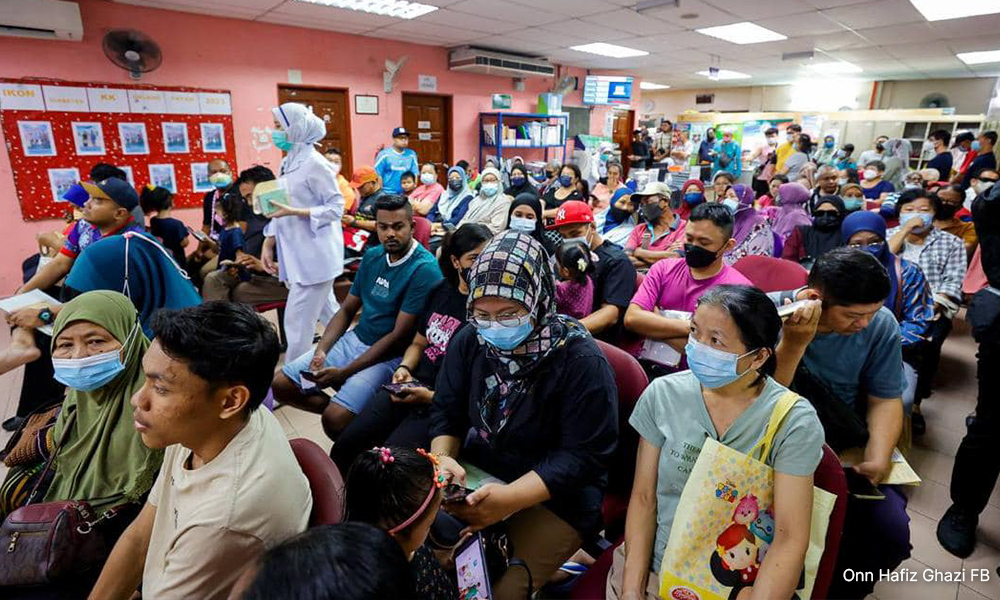
It’s a vicious cycle and the one who comes out the worst is the insured who has to pay much higher premiums or drop out altogether, and the net result is private healthcare being consigned to the elite and putting enormous strain on government hospitals, which most will eventually have to turn to.
But this problem can be easily solved. Have a system of standardised charges which ensures both hospitals and insurance companies make money, but not too much.
Task force will break vicious cycle
Life insurance companies make tonnes from high-return life insurance policies and therefore they must give some back in terms of medical coverage. Private hospitals must ensure their charges are not totally out of whack with actual costs.
The only way to do this is to set up an independent task force which will make its recommendations and findings public. This will comprise members of BNM, the Health Ministry, insurers, private hospitals, and important and knowledgeable public interest groups. Public input must be encouraged.
There is too little information available now for good decisions. How much does the medical insurance industry make, with breakdowns for each individual company? How much does the life insurance business make, including company breakdowns?
How much does the private hospital industry make? How much do the individual companies within this make? What are all their costs? What are their profit margins? How much are their doctors paid? Etc, etc.
Then, with a good task force that will report their findings and analysis to the public, and indeed seek their feedback before reporting, we will know who is telling the truth and who is lying and by how much. And who is really fleecing who.
That should lead to a rather quick amicable settlement, breaking the vicious cycle of unreasonable and exorbitant rising premiums.
P GUNASEGARAM says that good information is absolutely necessary for good decisions.
The views expressed here are those of the author/contributor and do not necessarily represent the views of Malaysiakini.
/file/1138/5018f4262f8817482e20bc6c082bc6e1.jpeg)
/file/publisher-c1a3f893382d2b2f8a9aa22a654d9c97/2024/12/fac373cfae1c5838f197713a764642ce.jpg)
/file/publisher-c1a3f893382d2b2f8a9aa22a654d9c97/2024/08/a21b66a79cb76887e7bd2830c325d3d5.jpg)
/file/1211/bcd656abf7383b12cef4da56528ab1df.jpeg)
/file/1138/bb862d0bae3236e7bcef2af6a84e175a.jpeg)
/file/publisher-c1a3f893382d2b2f8a9aa22a654d9c97/2024/05/7a739a622a0bf5f3a327400615d1d418.jpg)


Are you sure you want to delete this comment?
This action cannot be undone.