


/file/1293/9409c34efb35c9a50ee6de5b2ea18ed3.jpeg)

MP SPEAKS | TVET pathway to prosperity
MP SPEAKS | Malaysia stands at a pivotal juncture in its economic journey.
As the nation aspires to transition into a high-income, knowledge-driven economy, the urgency to cultivate a skilled workforce capable of navigating the Fourth Industrial Revolution (IR4.0) has never been greater.
Technical and Vocational Education and Training (TVET) emerges as the linchpin of this transformation. By aligning education with industry needs and cutting-edge technologies, Malaysia can unlock unprecedented economic growth, reduce dependency on foreign labour, and secure a prosperous future for its youth.
The global economy is rapidly evolving, with automation, artificial intelligence (AI), and green technologies reshaping industries.
Over 50 percent of Malaysian jobs will require technical skills by this year, yet only 22 percent of the workforce is trained in these fields.
TVET institutions, if modernised, can bridge this gap by producing graduates adept in robotics, renewable energy, and digital manufacturing - skills critical to sustaining Malaysia’s competitiveness.
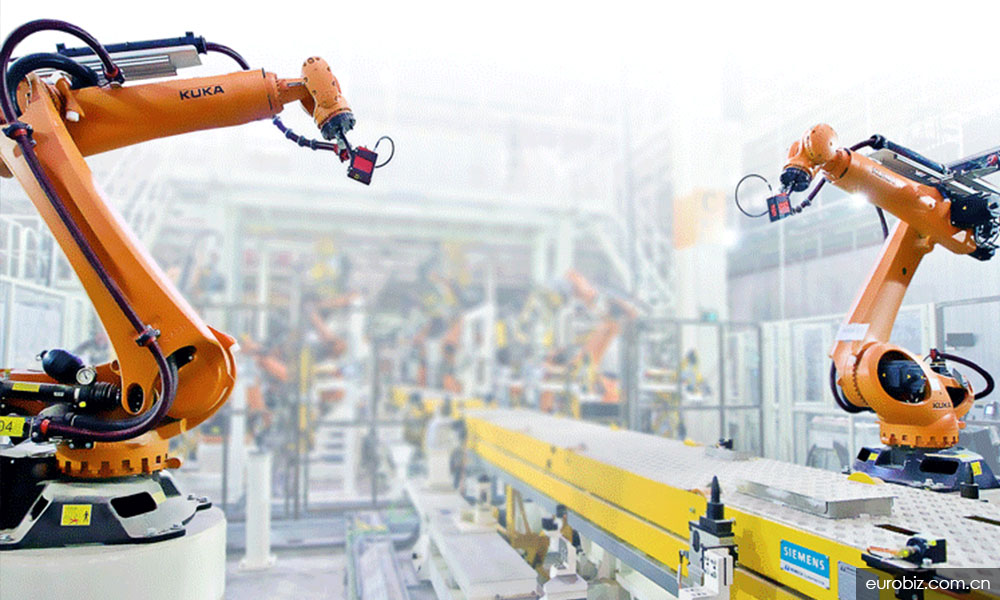
TVET transformation
Despite a 10.7 percent youth unemployment rate, employers report difficulties filling technical roles. TVET offers a solution by equipping young Malaysians with job-ready skills.
For instance, Germany’s dual education system, which combines classroom learning with apprenticeships, has kept youth unemployment below six percent - a model Malaysia can adopt to empower its next generation.
Transitioning from labour-intensive industries to high-tech sectors like aerospace and electric vehicle manufacturing requires a skilled workforce.
TVET can drive this shift, attracting foreign investment and fostering innovation.
Singapore’s Institute of Technical Education (ITE), renowned for its industry partnerships, has contributed significantly to the nation’s gross domestic product growth - a blueprint Malaysia can emulate.
The government is taking swift action to overcome some challenges in our TVET ecosystem.
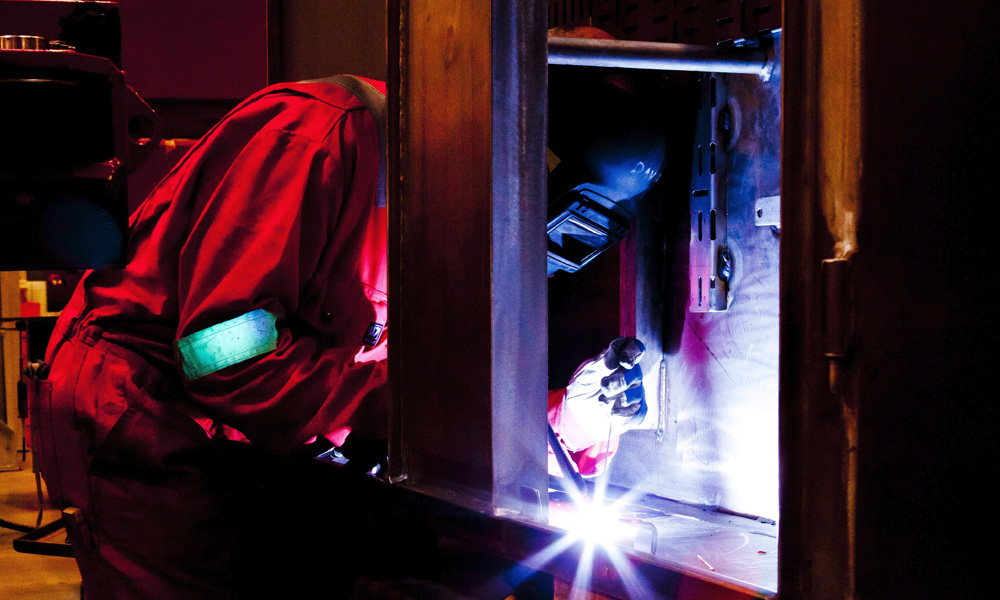
TVET Council
The established TVET Council as an effort to unify governance and policy coordination among various ministries and agencies is a critical step to ensure the TVET ecosystem can serve its purpose in a greater way.
The TVET Council must enforce standards akin to the Australian Skills Quality Authority (ASQA), ensuring consistency and quality across programmes.
Mandate industry participation in curriculum design through sectoral skills councils and offer tax incentives to companies engaging in apprenticeships, as seen in Switzerland, where 70 percent of students undergo vocational training.
Forge partnerships with global firms like Siemens and Tesla to align training with emerging sectors like smart manufacturing and green energy.
Equip campuses with VR labs for simulated factory environments and AI-driven platforms for personalised learning.
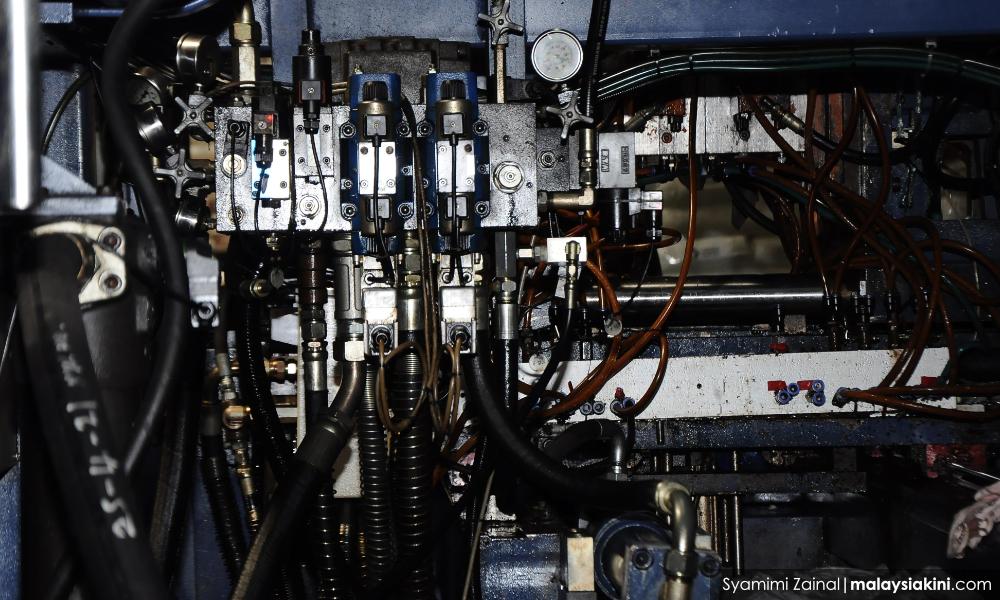
Malaysia’s Digital Education Policy should prioritise investments in internet of things-enabled workshops and partnerships with tech giants like Microsoft for cloud-based certifications.
South Korea’s Meister schools, which integrate AR for machinery training, exemplify success in this arena.
Launch national upskilling initiatives for instructors, emphasising IR4.0 competencies.
Introduce micro-credentials and online modules for mid-career workers, mirroring Singapore’s SkillsFuture programme to foster a culture of lifelong learning.
All must be on board
A TVET transformation demands a united effort. Policymakers must prioritise governance reform, industries must invest in talent pipelines, and educators must embrace innovation.
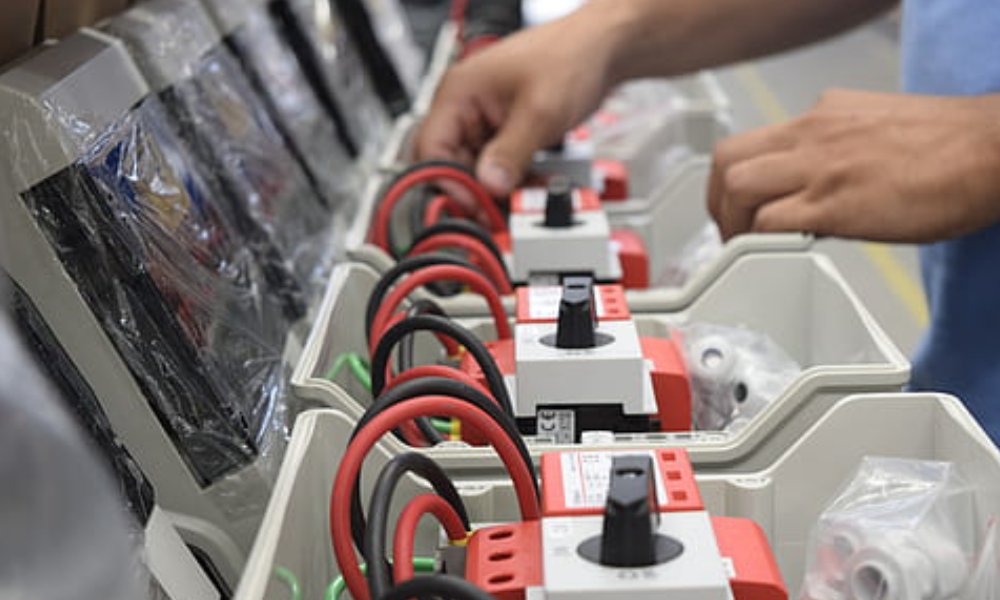
By dismantling the stigma around vocational training and showcasing TVET as a gateway to high-tech careers, Malaysia can secure its place as a regional leader in the global economy.
The time to act is now - the prosperity of future generations hinges on today’s decisions.
Let us champion TVET as the cornerstone of Malaysia’s economic renaissance, where every graduate is not just job-ready, but future-ready.
M KULA SEGARAN is the Ipoh Barat MP and deputy minister in the Prime Minister’s Department (Law and Institutional Reform).
The views expressed here are those of the author/contributor and do not necessarily represent the views of Malaysiakini.
/file/publisher-c1a3f893382d2b2f8a9aa22a654d9c97/2021/07/681558adffcc9b77037bf3ebaff57718.jpg)
/file/1293/a524eb3a87709762fa99185be5adf575.jpeg)
/file/publisher-c1a3f893382d2b2f8a9aa22a654d9c97/2023/11/30bd20407ef5bd954d44a3ec2232106a.jpg)
/file/publisher-c1a3f893382d2b2f8a9aa22a654d9c97/2024/06/b75959a0f82b277f4daad9079a618255.jpg)


Are you sure you want to delete this comment?
This action cannot be undone.