


/file/publisher-c1a3f893382d2b2f8a9aa22a654d9c97/2025/12/5fd30487e7b0872e3ee2503501c9a015.jpg)

MP SPEAKS | PM starts the year with bold announcements
MP SPEAKS | On Jan 5, Prime Minister Anwar Ibrahim delivered a New Year’s Day address filled with significant policy announcements, touching on a wide range of issues, including those related to the economy and cost of living.
The prime minister also announced a slew of proposed institutional reforms. Four of these measures are particularly noteworthy.
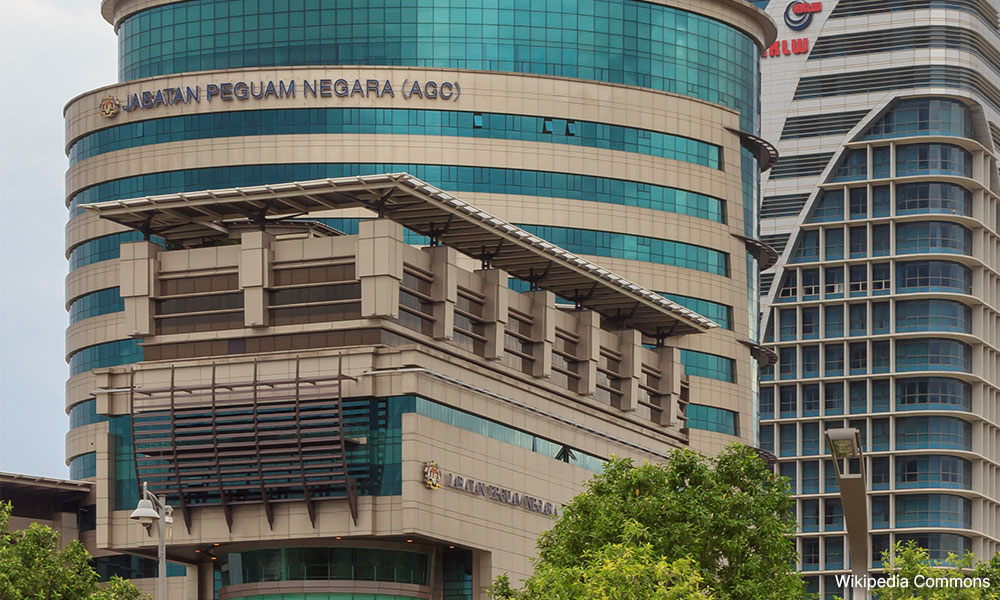
Firstly, the bill to separate the roles and functions of the attorney-general and the public prosecutor will be tabled at the upcoming parliamentary sitting, due to start this month.
When passed, it will finally address the obvious conflict of interest between the two roles.
Currently, the attorney-general serves as the legal adviser to the government as well as taking the role of the public prosecutor, who has the sole discretion and authority to decide on criminal charges.
Secondly, a bill will be introduced to set up an ombudsman institution, the first of its kind in Malaysia.
The ombudsman should be empowered to look into complaints regarding government bodies, and will go some way in restoring trust in state bodies and agencies.
Thirdly, the long-awaited Freedom of Information Bill (FOI) will also be tabled. This is not something new, as states like Selangor and Penang have already enacted such laws.
Much scrutiny will be placed on the FOI bill and whether the much-criticised Official Secrets Act (OSA) will still be in place. The effectiveness of any FOI legislation would depend on whether the OSA is still operational.
Lastly, and perhaps most significantly politically, is the announcement to impose a term limit on the prime minister’s tenure. Anwar’s readiness to do this is a testament to his reformist credentials.
‘Devil is in the details’
According to the prime minister, these bills will be tabled this year. In fact, some of them will be tabled in the first meeting of Parliament. Therefore, these are not mere lip service, but tangible commitments to institutional reforms.
Of course, the devil would be in the details. NGOs have already rung the cautionary bells. When the bills are tabled, one can be sure that they will have many comments and criticisms about the provisions.
After all, that is their role in a democratic society, even if their insistence on perfection may be irksome to us politicians.
However, many of them have shared, privately at least, that this government is far more open than any previous governments. Many of them also admit that a lot has been done, even if they feel some do not go far enough.
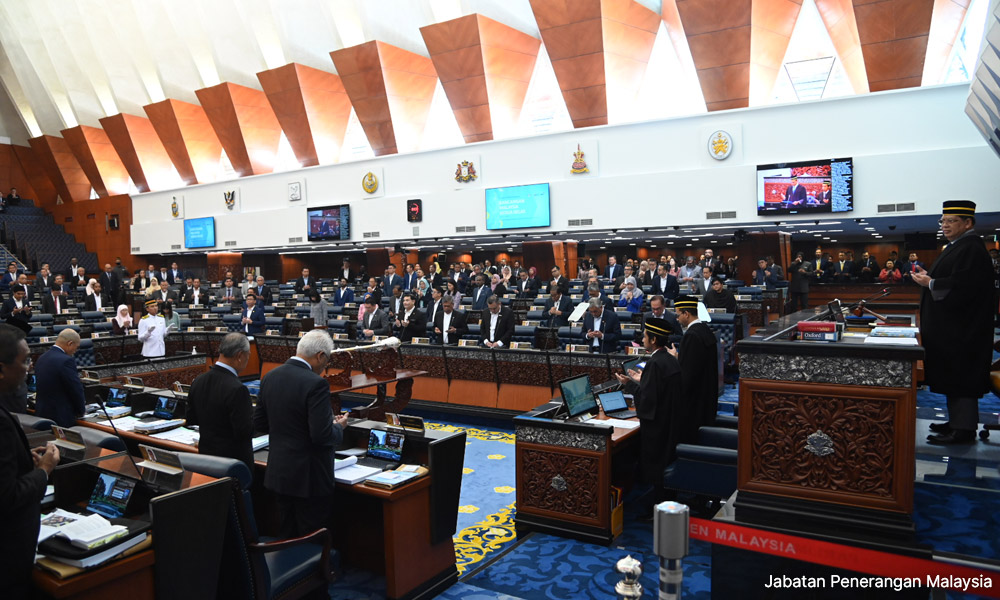
Under the Madani government, Parliament has been significantly empowered. The Parliamentary Services Act has returned a significant amount of autonomy to Parliament.
The parliamentary special select committees are now embedded in the Standing Orders and significantly empowered. Every week, the prime minister will attend sittings to answer questions during Prime Minister’s Question Time. All these were implemented under the Madani government.
We have also seen other reforms. The provision of legal aid is now codified in law through the Legal Aid and Public Defence Act, obligating support for legal aid and public defence by any government.
The Audit Act has been amended to allow the auditor-general greater scope for audits, including the power to “follow the public money”.
The Whistleblower Protection Act has been amended, fixing the legal loophole that has long subsisted since its inception. With the amendment, whistleblowers are entitled to protection even if the disclosure itself is prohibited by law.
Of course, after decades of struggle, the media now has its own Malaysian Media Council, moving away from state control to self-regulation.
Strengthening public institutions
There are many other reforms. This article would be much too long for the writer to list them all. However, what is clear is this - the Madani government has shown time and time again, more than any other governments in the history of this country, that it is fully embracing the opportunity to enact significant changes to strengthen our institutions.
The four measures announced are not the start of reforms. They are the continuation of actions that began as soon as the prime minister was sworn in, back in 2022.
Many are now talking about how reforms should be implemented. Some of them were part of the first Pakatan Harapan government, either as part of the executive or roped in to help Dr Mahathir Mohamad’s government from 2018 to 2020.
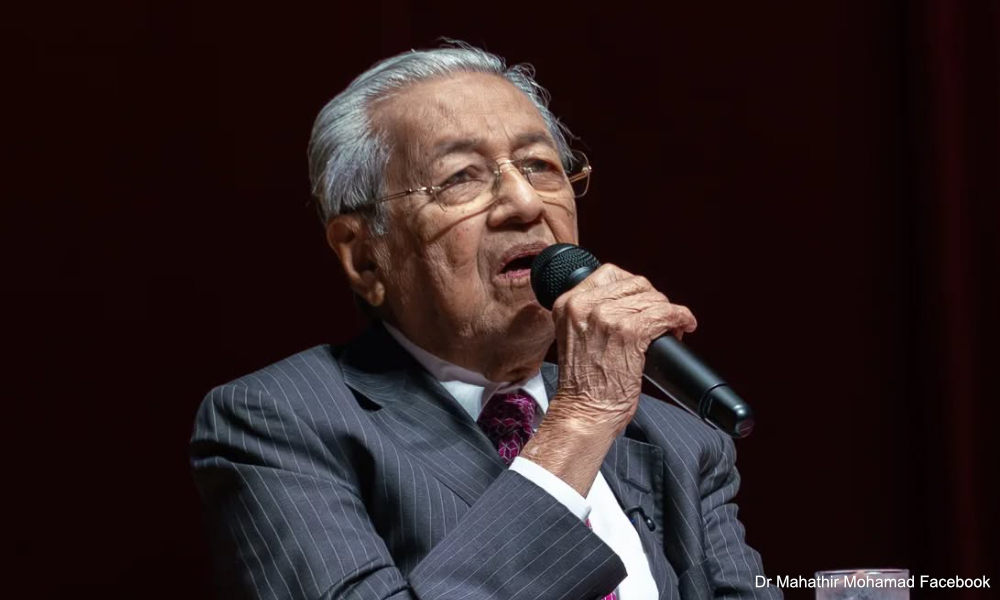
While some reforms were implemented then, the 22-month stint was filled with announcements of what would be done, instead of actually doing things.
Meanwhile, Anwar said it best in his speech when announcing the reforms. Those given a mandate and opportunities by the Almighty must do what is needed for the betterment of this country. Do not lament what could have been done when one is no longer in power.
Let 2026 be the most significant year for reforms in the history of our beloved country.
Syahredzan Johan is the MP for Bangi.
The views expressed here are those of the author/contributor and do not necessarily represent the views of Malaysiakini.
/file/publisher-c1a3f893382d2b2f8a9aa22a654d9c97/2024/01/b3c9d265a0e453bdf02bedf9f7f2698f.jpg)
/file/publisher-c1a3f893382d2b2f8a9aa22a654d9c97/2025/12/5fd30487e7b0872e3ee2503501c9a015.jpg)
/file/publisher-c1a3f893382d2b2f8a9aa22a654d9c97/2026/01/22a5c8e2998280cdfb29ae44ce92cce6.jpg)
/file/publisher-c1a3f893382d2b2f8a9aa22a654d9c97/2026/01/01a7b23c9ac68d8af212cdc3c2874b18.jpg)
/file/publisher-c1a3f893382d2b2f8a9aa22a654d9c97/2024/03/6eb4cc7fc22fe5bc0722e1a0d2e485ce.jpg)


Report this comment
Are you sure you want to delete this comment?
This action cannot be undone.