


/file/publisher-c1a3f893382d2b2f8a9aa22a654d9c97/2021/10/790f36dd3d88cf26e237994b14840f80.jpg)

COMMENT | What the law says about inner ear assault
COMMENT | There are many reasons Malaysians love weddings and parties.
Usually, it is the food, the outfits, and the inevitable political gossip. And certainly, aunties doing population census on your love life: “When are you getting married?” or “Have you had children yet?”
Then there’s the music – not the invitation, the decor, nor the table layout. It is the only thing at these functions.
By “music”, I mean the unique local tradition of simulating an air show… indoors. The emcee asks, “Can everyone hear me?” and you think, “Brother, people in Singapore can hear you.”
Your chair is vibrating, your shirt is...
COMMENT | There are many reasons Malaysians love weddings and parties.
Usually, it is the food, the outfits, and the inevitable political gossip. And certainly, aunties doing population census on your love life: “When are you getting married?” or “Have you had children yet?”
Then there’s the music – not the invitation, the decor, nor the table layout. It is the only thing at these functions.
By “music”, I mean the unique local tradition of simulating an air show… indoors. The emcee asks, “Can everyone hear me?” and you think, “Brother, people in Singapore can hear you.”
Your chair is vibrating, your shirt is pulsating, and your soul is quietly drafting a complaint.
My wife goes into every loud wedding like a soldier into battle. She walks in upright, smiling, steady.
She walks out, clinging to my arm like we’ve just disembarked from a speedboat in a thunderstorm.
For the next two days, she moves around the home like the floor is on a bad cruise she did not book.
‘Attempted murder’
The deejay calls it “vibes”.
Her inner ear calls it “attempted murder”.
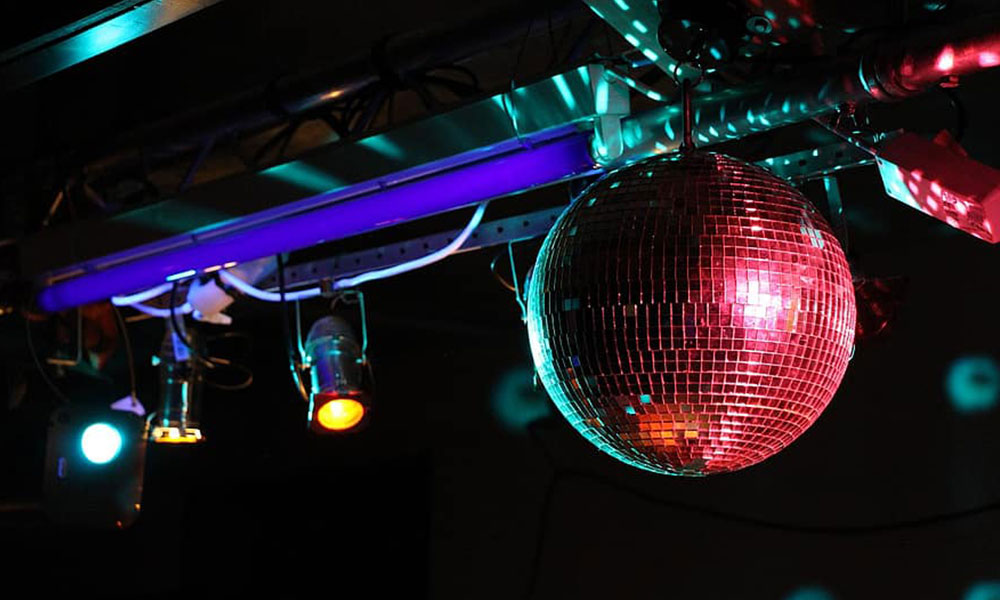
Somewhere between the third deafening song and the sixth “I text you later, cannot hear” message, a polite little question appears:
Is this really culture… or is someone, somewhere, breaking the law (very loudly)?
Your inner ear, the unsung victim
Hidden deep in your head is the cochlea. It is a tiny spiral that looks like a snail shell. It is responsible for turning sound into something your brain can understand. Its design brief did not include “sit next to subwoofer during ‘Havana’ at 120 decibels”.
Next door lives your balance system. These are three curved tubes: three tiny hula hoops perpendicular to each other. Their entire mission is to keep you walking like a functional adult and not like a drunk flamingo. When the music is “slightly loud” – you can feel your kidneys keeping rhythm – these poor organs are not amused.
What you get in return is a charming menu of: (a) ringing in the ears; (b) muffled hearing; (c) dizziness; and (d) the strong impression that the room is moving even when it isn’t.
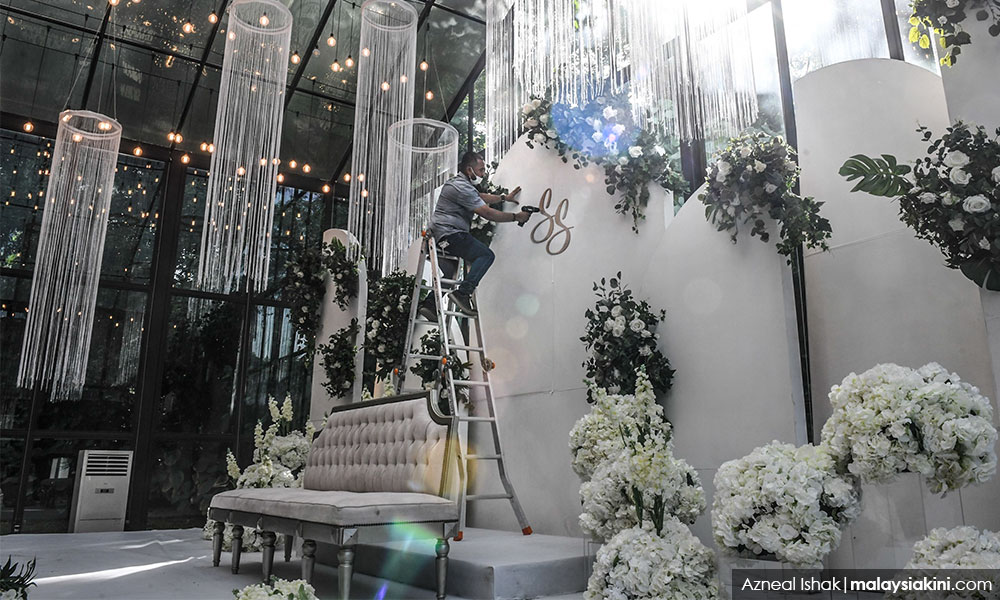
My wife’s post‑wedding schedule:
Day 1: “Why is the wall tilting?”
Day 2: “Why is the bed on a boat?”
The sound man proudly announces, “Next song, we go higher a bit.”
“Higher” than what? Blood pressure?
‘Private nuisance’
Lawyers, tragically, have a concept for this sort of thing. They call it “private nuisance”.
In normal‑people language, that means: “Your fun has overflowed into my suffering.”
It’s the law’s gentle way of saying, “You may celebrate, but preferably not inside your neighbour’s bedroom without consent.”

Malaysian courts have seen all kinds of noisy dramas: open‑air stages that turned neighbourhoods into free concerts, discotheques whose bass lines doubled as alarm clocks, clubs that believed 2am is the ideal time for live drums.
Judges, famously not deaf, have said, “Enough lah,” and ordered them to tone it down or stop.
Crucially, sound isn’t illegal by itself. “Unreasonable” noise is.
One wedding that ends at 10.30pm is life.
A hall that throws weekly mini‑raves till 1am in a housing area is in litigation with the catering.
And no, a “permit” is not a holy shield. A licence lets you operate; it doesn’t entitle you to recreate a music festival in someone’s living room.

If your wedding sounds like a 747 taking off in your neighbour’s kitchen, the law starts to take an interest.
Informal rule: If people three streets away can sing along to your wedding playlist without being invited, you’ve crossed from “celebration” into “legal doctrine”.
Lost art of polite conversation
Now, in all this, we must pause to salute one of the great masterpieces of Malaysian civilisation: the courteous Malay neighbour.
Malays are, by tradition, a highly diplomatic people. They don’t shout, they don’t scream, they don’t bang on your gate with a broom. They speak gently, smile warmly, and yet somehow manage to deliver a message so sharp it could cut steel.
Imagine this increasingly common modern scene:
You are having a gloriously loud party in your link house, or under your apartment block. You have blocked half the roads.
Cars are double‑parked, triple‑parked, creatively parked.
The music is at “neighbourhood earthquake” level. You are having the time of your life.

Then comes the exposition of the art of understatement.
This is when your Malay neighbour appears. He smiles, shakes your hand, looks around as if admiring a festival, and says, in the softest, kindest tone:
“Ramai kawan ya? Banyak kereta‑kereta mewah, wah! Nampak riang ya?”
Literal translation: “So many friends! So many luxury cars! Wah, looks very cheerful!”
Actual meaning:
“You have no consideration for your neighbours. You are too loud and too rude. Shut up, or I will call the police.”
Diplomacy
This is the Malay way of passive‑aggressive indirect speech or ironic comment (cakap terbalik) to hint at the opposite meaning, without provoking a scene.
That, ladies and gentlemen, is high art. It is diplomacy. It is poetry. It is the ability to say “Enough” without ever raising one’s voice.

This is the only thing the Malays have in common with the British aristocracy: using masterful understatements.
The tragedy is that we are slowly losing the ability to understand this “reverse speech”.
Once upon a time, everyone knew: when your neighbour says, “Meriah ya?” what he means is, “Another hour of this and I will file a report.”
Today, the response is more likely to be, “Ala, abang sporting lah (Please be sporting),” followed by even louder music.
When a society can no longer understand polite warnings, it usually discovers, the hard way, that lawyers are far less subtle.
Guidelines, permits and other fairy tales
On paper, Malaysia has serious documents with serious titles about environmental noise, decibel limits, land use, and so on. Somewhere in a filing cabinet is a chart that says things like, “Residential area should not exceed X decibels at night.”

It is beautiful. It is scientific. It is absolutely not standing next to the DJ booth.
Local councils can set conditions:
Maximum volume.
Cut‑off times.
Limits for events near homes.
Venues, terrified of complaints and shutdowns, sneak noise clauses into their contracts:
“Music must end by 11pm. No extremely loud systems.”
“No turning the hall into an EDM festival.”
And then reality arrives:
11pm – Official music cut‑off.
11.05pm – “Okay guys, last song.”
11.40pm – Third “last song”. Neighbours are on Google Maps searching “nearest law firm”.
On the environmental side, the idea is simple: protect health and sanity. Loud, prolonged noise isn’t just irritating; it can genuinely harm hearing and mess with your inner ear.
The law quietly acknowledges this. The DJ, less so.
What you can do, but won’t
In theory, you, as a guest, have rights.
In practice, you also have relatives.

Yes, you could stand up in the middle of the first dance, clear your throat, and announce, “Ladies and gentlemen, this volume constitutes a tortious nuisance.”
You could.
You will not.
Because you enjoy living, and you fear your mother more than you fear tinnitus.
So you adopt survival strategies:
Sit as far away from the speakers as you can. If you can see the emergency exit, you are in an excellent location.

Wear discreet earplugs and tell people you are being “health conscious”.
Step outside to “take a call” whenever the band transitions from “song” to “sonic attack”.
Tell the host, in that uniquely Malaysian polite way, “Sound kuat sikit lah (The sound is a bit too loud),” which means, “I can currently hear colours.”
Can guests sue over extreme weddings?
In theory, yes. If the volume was dangerously high, complaints were ignored, and you came out with medically proven hearing or balance damage, the law doesn’t forbid you from trying.
But it’s not exactly the love story you want to tell your grandchildren.
Still, if you walk into the hall and your hearing walks out, you’re not being dramatic for feeling annoyed.
Neighbours are in a different category. They did not get an invitation, they did not get dessert, and yet they got the full audio experience.
If loud weddings or parties keep happening under their windows, blocking roads and shaking walls, they are not obliged to simply “be sporting”.

They can:
Speak to the organisers or venue.
Complain to the local council.
In more serious or repeated cases, consider legal action for nuisance.
Courts can:
Order the noise to stop or be reduced (injunction).
Award money for the ongoing disturbance (damages).
Judges are not anti‑happiness. They are simply pro‑sleep.
Hosts and venues: Reasonable, not miserable
If you are hosting a wedding, the law isn’t asking you to turn it into a silent yoga retreat. It’s asking you not to turn it into a forced nightclub for a 2km radius.
Reasonable behaviour looks like:
Telling the DJ: “We want fun, not structural damage.”
Respecting finishing times, especially near houses.
Placing speakers away from walls and elders.
Actually lowering the volume when guests complain, instead of pretending the volume knob is purely decorative.
If venues and organisers know there are complaints, know people are feeling unwell, know neighbours are suffering – and they still insist on “MAX or nothing” – they are slowly walking into legal trouble with every “thump, thump” of musical beat.
Happily ever after
Weddings should be remembered for the couple, the laughter, the food, the fashion, and that one uncle whose dance moves defy both gravity and dignity.
They should not be remembered because the guests needed two working days to recover their balance.
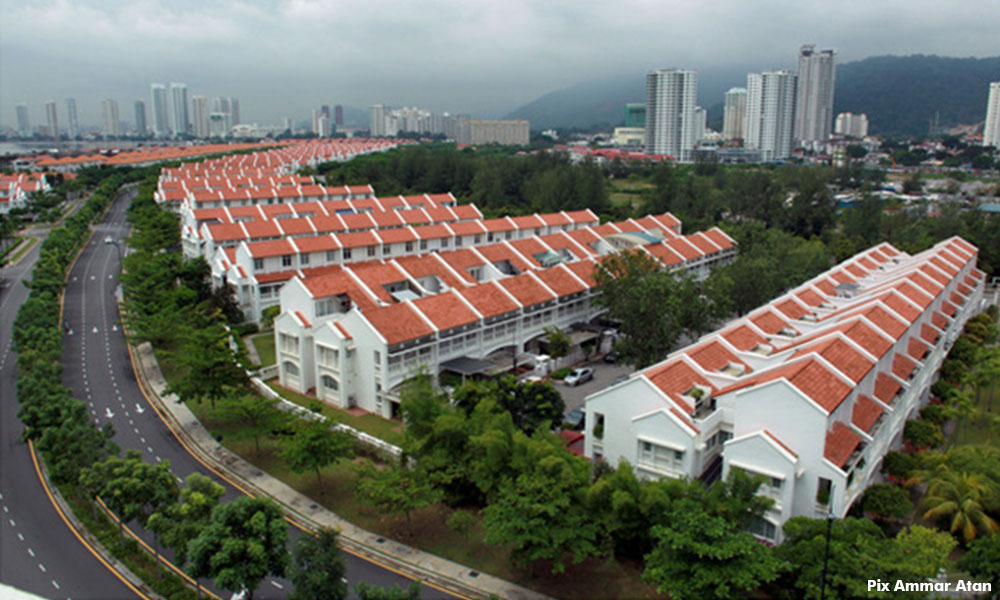
In the background, the law sits there like a quiet Malay neighbour: not shouting, not screaming, just gently saying, “You may celebrate, but other people also live here, you know.”
If we can bring back two arts – the art of hosting without deafening, and the art of understanding polite hints like “Ramai kawan ya?” (You seem to have many friends) – we might just save our ears, our neighbours, and our legal bills in one go.
Keep the joy.
Keep the dancing.
Keep the culture.
Just, perhaps, dial the volume down from “airport runway” to “everyone can hear, and nobody needs a lawyer”.
Don’t turn up?
For my part, when I am invited to a wedding dinner, I do not turn up. I do that five to 10 times a year.
When asked why I was absent, I give a world‑class excuse. It puts an end to any further explanation.
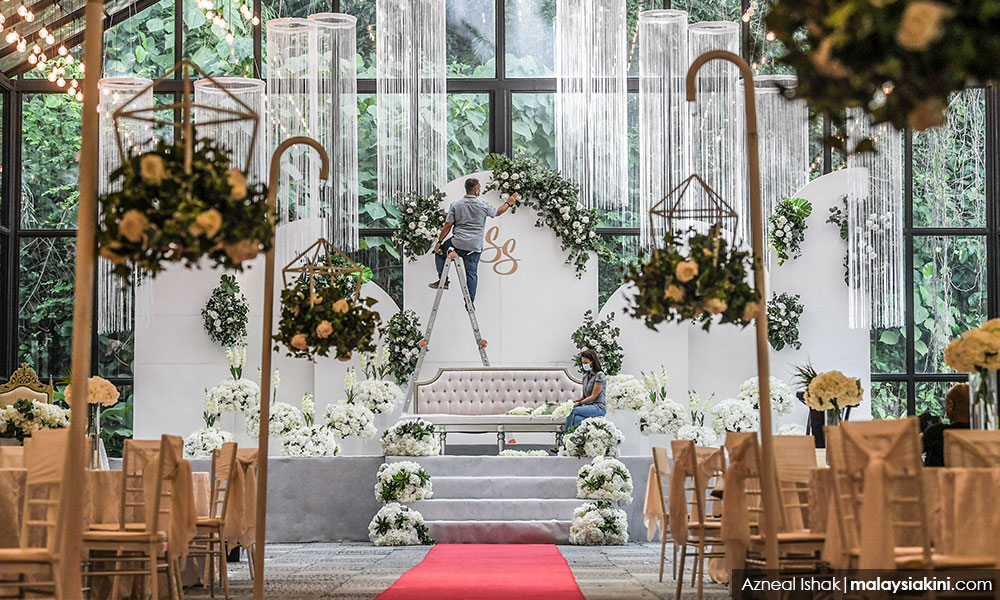
By definition, my father’s mother is my grandma. The Old Girl kicked the bucket in 1969.
So I do not lie when I declare, “I am frightfully sorry, old chap; my Grandma passed away.” But I do not say when.
The effusive apologies from the bridegroom’s side help soothe the pleasure of a white lie, even more.
GK GANESAN is a lawyer and an international commercial arbitrator.
The author thanks Nanthienie Thangaperumal and Surendren Thanga.
Malaysiakini has obtained permission to republish this article, which first appeared here.
The views expressed here are those of the author/contributor and do not necessarily represent the views of Malaysiakini.
/file/publisher-c1a3f893382d2b2f8a9aa22a654d9c97/2025/06/cda1eaa897b10b4c87d711d1e6a9a316.jpg)
/file/publisher-c1a3f893382d2b2f8a9aa22a654d9c97/2021/04/38c2276470bf7e615888ef9278f24734.jpg)
/file/publisher-c1a3f893382d2b2f8a9aa22a654d9c97/2019/02/bab0e8fbe837d657c36159a4cebed5ac.jpg)


Are you sure you want to delete this comment?
This action cannot be undone.