


/file/attachments/orphans/homeministry1asdesd_153225.png)

COMMENT | Refugees are not 'foreign fugitives'
COMMENT | The Home Ministry needs to stop blurring the line between immigration status and criminality. Myanmar nationals who fled war, persecution, and insecurity are not “foreign fugitives” simply because they lack regular immigration status.
That language is not merely careless. It strips people of the circumstances that brought them here and makes deportation sound like the removal of criminals rather than the return of human beings to a country where they may face serious danger, including detention, death, forced conscription, or even death.
The government says its repatriation programme is voluntary, orderly, and based on individual consent.
But a signature does not make a return voluntary. A return is voluntary only when a person can make an informed decision, free from coercion, and after receiving credible information about what awaits them.
That is precisely...
COMMENT | The Home Ministry needs to stop blurring the line between immigration status and criminality. Myanmar nationals who fled war, persecution, and insecurity are not “foreign fugitives” simply because they lack regular immigration status.
That language is not merely careless. It strips people of the circumstances that brought them here and makes deportation sound like the removal of criminals rather than the return of human beings to a country where they may face serious danger, including detention, death, forced conscription, or even death.
The government says its repatriation programme is voluntary, orderly, and based on individual consent.
But a signature does not make a return voluntary. A return is voluntary only when a person can make an informed decision, free from coercion, and after receiving credible information about what awaits them.
That is precisely what remains unclear.
What are the criteria?
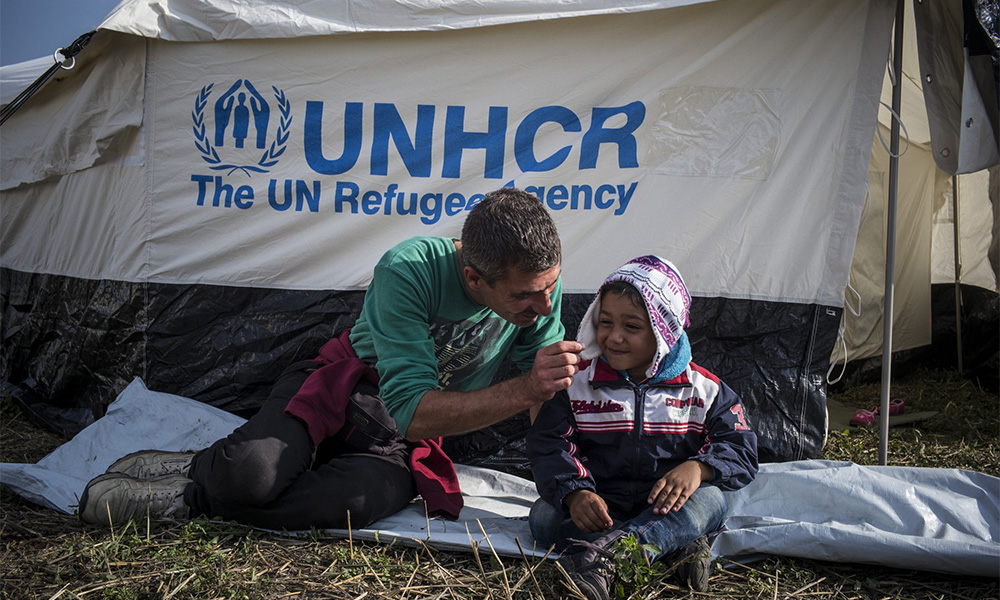
The United Nations High Commissioner for Refugees (UNHCR) has said it was not involved in Malaysia’s repatriation process and has warned about the risks of returning people to Myanmar.
If the government has conducted a more reliable assessment, it should publish it. Who assessed the risks? What protection safeguards were applied? What independent verification exists? What happens to people after they cross the border?
The lack of meaningful consultation is equally troubling. Where is the engagement with UNHCR, Suhakam, refugee-led organisations, civil society, and community-based organisations that have spent years working directly with these communities?
They know the families, the vulnerabilities and protection risks. Government agencies cannot simply declare those realities away.
If the government is confident that these returns are safe, it should have nothing to hide. Publish the criteria. Publish the methodology. Explain the safeguards. Allow independent scrutiny.
The same standard must apply to claims that Myanmar nationals are a financial burden or a security threat. Malaysians deserve evidence.
How much public money is actually being spent? What specific security threats are being referred to? What evidence supports these claims?
/file/attachments/orphans/gsadfad_102573.png "Photos of deportation session Myanmar refugees via Home Ministry September 29th 2026 290926")
No one is arguing that Malaysia cannot enforce its immigration laws. It can. But sovereignty is not a licence to avoid scrutiny, and immigration enforcement is not a substitute for due process.
Moral ground
The return of 1,476 people has now begun, and the window for scrutiny is, therefore, closing rapidly.
Once people are sent back, Malaysia cannot wash its hands of what happens to them. And this is where Malaysia’s broader moral posture becomes impossible to ignore.
Prime Minister Anwar Ibrahim has made Palestine a central part of Malaysia’s foreign-policy voice, rightly insisting that the world cannot look away from forced displacement, dispossession and violence.
But that principle cannot stop at Malaysia’s borders. We cannot demand that the world stand with Palestinians while sending Myanmar nationals back to a country from which many fled because they feared persecution and violence.
/file/publisher-c1a3f893382d2b2f8a9aa22a654d9c97/2025/10/3cf83609b3ef97eab6a1913ec57ea325.jpg "Palestine Gaza as of October 2025 161025")
It cannot condemn the displacement of people elsewhere while treating vulnerable people here as an administrative problem to be removed.
If Malaysia believes that people must not be forcibly displaced into danger, then that principle must apply to Myanmar nationals too.
The contradiction becomes even sharper with Anwar’s decision to engage Myanmar President Min Aung Hlaing.
READ MORE: COMMENT | Anwar should keep Myanmar junta at arm's length
Malaysia is prepared to give political space to Myanmar’s military leadership while simultaneously sending Myanmar nationals back into the very crisis for which that leadership bears enormous responsibility and faces continuing international scrutiny.
Anwar may say he wants to engage Min Aung Hlaing to demand concrete guarantees: no arbitrary detention, no torture, no forced conscription, citizenship and legal status for Rohingya, and recognition of their right to return to and live on their own land.
/file/attachments/orphans/pmx1sdd_635776.png "PMX Prime Minister Anwar Ibrahim circa 29th of September 2026 300926")
Fair, but rolling out the red carpet is a resounding “No!”
To put it candidly: Min Aung Hlaing is the architect of genocide, and we should not invite war criminals for tea.
Diplomacy cannot become a convenient bridge between the Malaysian government’s desire to deport people and Myanmar’s desire to receive them.
It's about walking the talk
There is also a basic accountability question. The government cannot demand transparency from other countries while refusing transparency about its own decisions.
It cannot tell Malaysians to trust a process that independent actors cannot meaningfully scrutinise.
And if the government believes Myanmar is now safe enough for people to be returned, it should explain precisely what has changed on the ground to justify that conclusion.
The test of Malaysia’s human-rights commitments is not how loudly it speaks about Palestine. It is whether those principles survive when the people in question are Myanmar nationals standing at Malaysia’s own borders.
Refugees are not “foreign fugitives”, deportation is not accountability, and silence about what happens after return is not transparency.
CHARLES SANTIAGO is a former Klang MP.
The views expressed here are those of the author/contributor and do not necessarily represent the views of Malaysiakini.
/file/attachments/orphans/homeministry1asdesd_153225.png)
/file/publisher-c1a3f893382d2b2f8a9aa22a654d9c97/2026/07/0a7f01971148f25bf518ae3fa26f5780.jpg)
/file/publisher-c1a3f893382d2b2f8a9aa22a654d9c97/2026/08/3ec8c0cd5cbf931e6d02f647ee7d52e0.jpg)
/file/publisher-c1a3f893382d2b2f8a9aa22a654d9c97/2025/01/c00a9b827294c4b07e2ac262bfdea75e.jpg)
/file/image/62739829_605.jpg)
/file/publisher-c1a3f893382d2b2f8a9aa22a654d9c97/2026/08/1090bc2c4bd6b3dbb5688d8999a355c0.jpg)


Malaysia must learn the lessons from UK and Europe. Their previous 'generous refugee' policies has now come back and haunt them. As the 'refugees' multiply uncontrollably, parts of their country has now lost its own identity and their locals becoming foreigners in their own country.
Does the UN provide funds to maintain these foreign refugees in Malaysia. If they do , then it is commendable. If they don’t they should make funds available to help these countries that are burdened by an exodus of these refugees. . The UN should distribute these refugees to other member countries to soften the burden on countries that are currently hosting large population of these refugees. In Malaysia it has become a social , and security problem because of the vast numbers.
You don't have to be refugee to be "foreign fugitive". Just overstay your visa and you week get that treatment everywhere. Refugees expose hypocrisy everywhere and Malaysia is no exception. Everyone says they deserve protection and l will protect them, but as soon as they starts to affect one's life everyone wants them out. I don't think there is a solution to this. I am afraid the old and disrespectful strategy of locking them up in refugee camp is increasingly looking like the best balance to protecting everyone, provided the camps are well regulated.
Report this comment
Are you sure you want to delete this comment?
This action cannot be undone.