


/file/publisher-c1a3f893382d2b2f8a9aa22a654d9c97/2025/08/a53a0b99f7aa99d5651e9429caead38f.jpg)

Designing Tomorrow’s Healthcare Landscape
Launched earlier this year, the Bachelor of Applied Health Sciences (Honours) at Taylor’s University offers specialisations in four key areas. This multidisciplinary programme responds to the rising demand for skilled professionals in Genetics, Neuroscience, Embryology, and Nutrition.
Unlike traditional health science programmes that focus on a single discipline, this degree integrates four distinct specialisations into a cohesive three-year structure. Students begin with a shared foundation and later specialise, offering the flexibility to explore before committing to a specific academic and career trajectory.
Genetics covers the molecular foundation of disease, including training in Clustered Regularly Interspaced Short Palindromic Repeats (CRISPR) gene editing and next-generation sequencing.
Embryology focuses on human development and reproductive technologies, including in-vitro fertilisation (IVF) simulation and fertility lab exposure.
Neuroscience explores the brain’s complexities, supported by Brain-Computer Interface (BCI) systems.
Nutrition addresses the role of diet in disease prevention, metabolism, and public health, with emphasis on culturally relevant strategies to Southeast Asian populations.
Technology-Enhanced, Immersive Learning
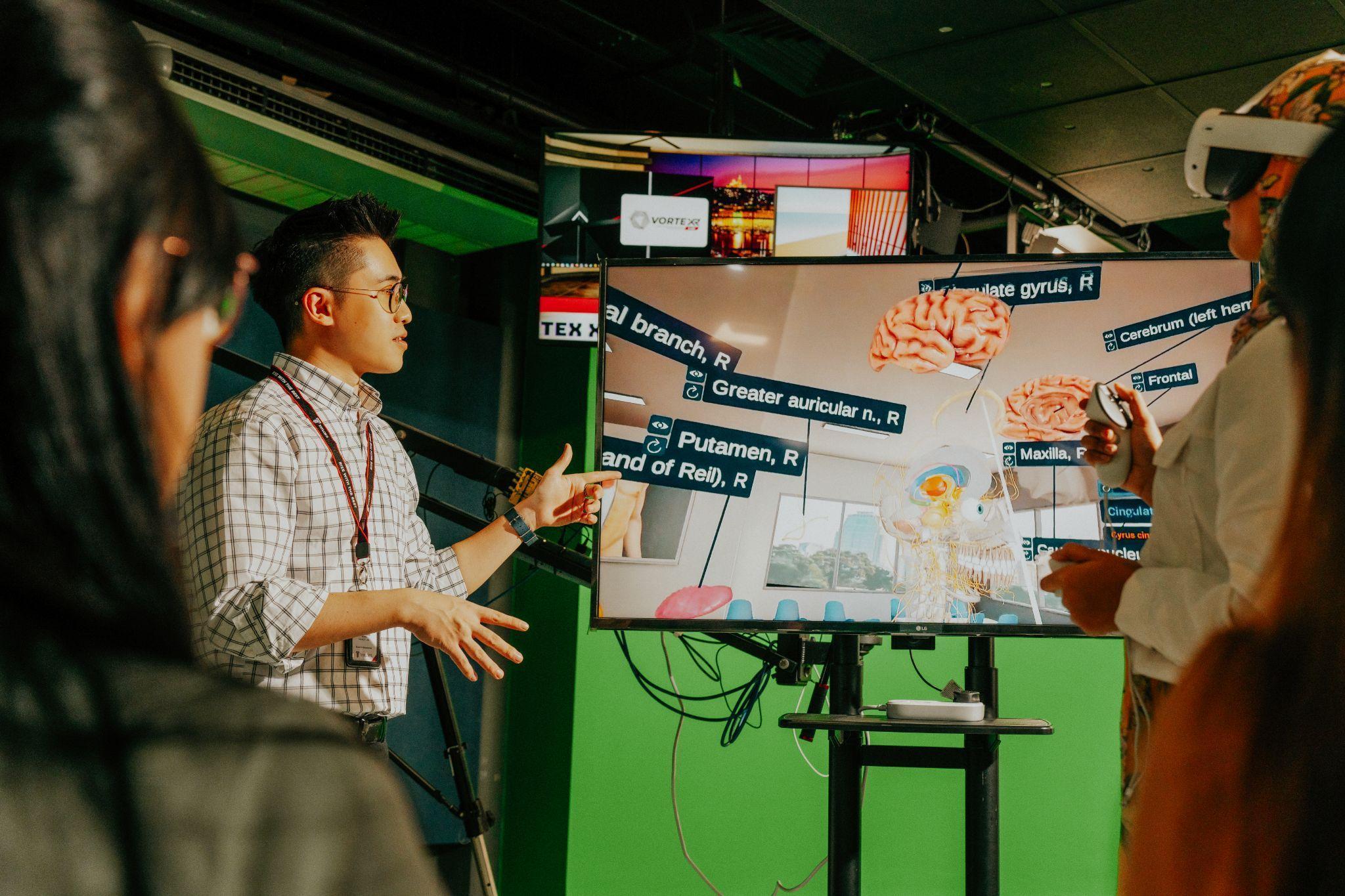
Hands-on learning is central to the programme with access to advanced laboratory tools and interactive environments. Students use wearable sensors, diagnostic artificial intelligence (AI), electroencephalogram (EEG) devices, and in vitro fertilization (IVF) tools—complemented by access to the Virtual Online Future Technology & Extended Reality (VORTEX XR) Lab, which incorporates augmented, virtual, and mixed reality technologies.
“We are not just teaching theory—we’re immersing students in the future of healthcare,” said Dr Lee Sau Har, Programme Director. “Our graduates are equipped to lead the next wave of innovation in applied health sciences.”
This immersive approach ensures that graduates are not only academically sound but also prepared to apply their knowledge in industrial and research settings.
From the start, students are introduced to research methodologies through mini-projects, research case studies, and supervised lab work. They apply scientific insights to real health challenges, from fertility and brain signal analysis to designing nutritional interventions.
Modules in bioinformatics and data analytics prepare students to leverage AI, machine learning, and telehealth tools—skills increasingly essential in today’s data-driven healthcare landscape.
Embedded Industry Collaboration
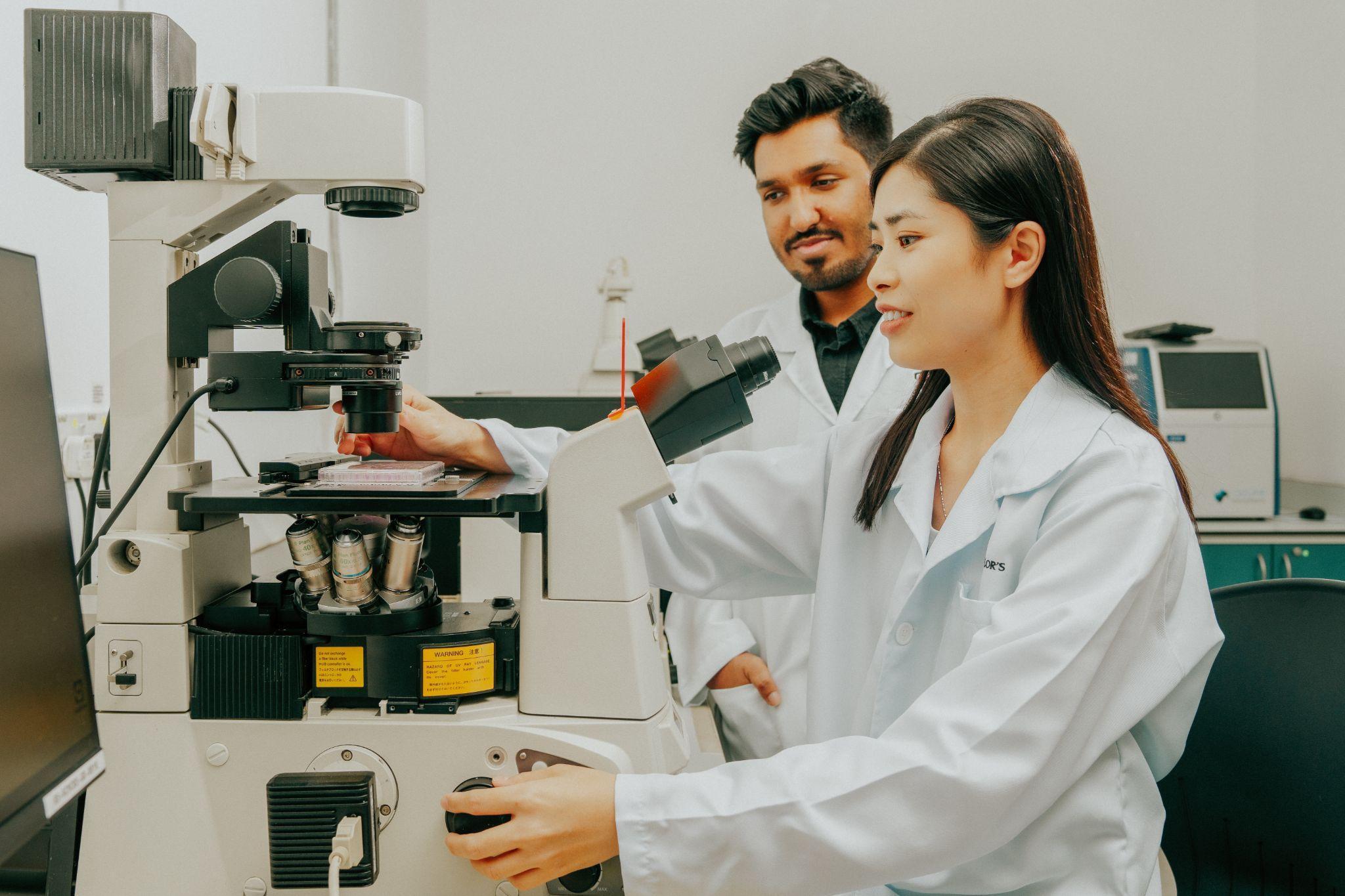
Developed in close consultation with the healthcare industry to ensure relevance and job-readiness of students post-graduation, the programme is anchored by partnerships that bring learning to life through guest lectures, internships, workshops, and joint research projects.
In genetics, collaborations with AGTC Genomics and Cancer Research Malaysia expose students to tools used in real-world genomics. The partnership with LabIVF (M) Sdn Bhd offers Embryology students hands-on training, while the collaboration with Alpha IVF & Women's Specialists enhances teaching and research through industry-driven initiatives, as well as dynamic joint seminars and workshops.
Ultra Technology Engineering enables Neuroscience students to work directly with BCI systems. The Nutrition specialisation is supported by Bionutricia Holding Sdn Bhd, which provide case studies and host industry-relevant workshops on nutraceuticals.
Recent engagements include a session by the Institute for Public Health Malaysia, which discussed localised public health strategies and nutritional challenges across Malaysia’s diverse communities—offering students valuable exposure to real-world healthcare issues.
Career-Ready Graduates for a Growing Industry
The programme offers flexibility through a wide range of electives and complementary minors in areas such as entrepreneurship, cosmetic science, environmental health, and more. Final-year projects are aligned with students’ specialisations, fostering critical thinking and applied problem-solving.
Global exposure is embedded into the student journey. Taylor’s University’s School of Biosciences maintains research mobility partnerships with universities in Thailand, the Philippines, China, and the United Kingdom (UK), enabling participation in overseas academic exchanges and collaborative research projects. Students also have the option to transfer to partner universities in the UK, Australia or New Zealand after completing their first year.
Graduates are equipped for diverse careers across health and life sciences, including roles such as Genetic Engineering Specialist, Neuroscientist, IVF Laboratory Coordinator, Clinical Research Assistant, or even Nutri-preneur. The programme also provides a strong foundation for postgraduate study, both locally and internationally.
Applications are now open for the September 2025 intake, with an inaugural bursary available for eligible students.
Prospective students and their families are encouraged to attend the upcoming Taylor’s Open Days on August 9–10 and 16–17, where they can meet the academic team, explore the facilities, and learn more about a future in applied health sciences. Additionally, students interested in Health Sciences can take part in the exclusive Discovery Day on August 22.
For more information, visit Taylor’s University’s Bachelor of Applied Health Sciences (Honours) programme page.
This Empower the Future series is a collaboration with Taylor's University.
The views expressed here are those of the author/contributor and do not necessarily represent the views of Malaysiakini.


Are you sure you want to delete this comment?
This action cannot be undone.