


/file/publisher-c1a3f893382d2b2f8a9aa22a654d9c97/2025/08/a161b6990650f52d9b8b313dcb1583e1.jpg)

LETTER | Selangor authorities are failing at waste management
LETTER | Welcome to Visit Malaysia Year 2026. In just five months, Malaysia will welcome tourists from across the globe, drawn by its natural beauty, cultural richness, and warm hospitality.
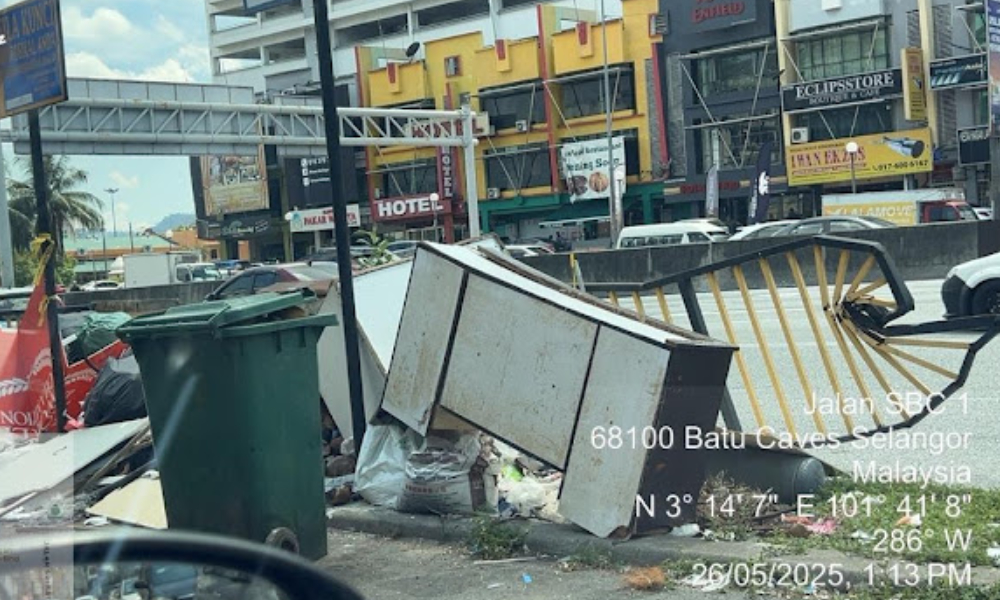
Yet, for those visiting Selangor - the country’s richest and most populous state - the experience may be marred by a troubling reality: illegal dumps, clogged monsoon drains reeking with foul stench, and rodent infestations thriving in neglected urban pockets.
Pakatan Harapan’s governance of Selangor since 2008 has yet to see meaningful reform since the era of Azmin Ali as menteri besar, as systemic issues persist till today.
This perception will hopefully change if serious reforms are introduced in the local government, which currently remains elusive.
I have been monitoring the administration under Menteri Besar Amiruddin Shari, which leads to the conclusion that it is not only the system, but the state government that has to be revamped if the current government wants to retain its seats in Selangor.
Decades of monitoring, same old problems
From my nearly seven years of monitoring the Selayang Municipal Council (MPS), for example, complaints about illegal dumping and uncollected waste are routinely deflected - blaming contractors or residents - while local council staff and appointed councillors escape scrutiny.
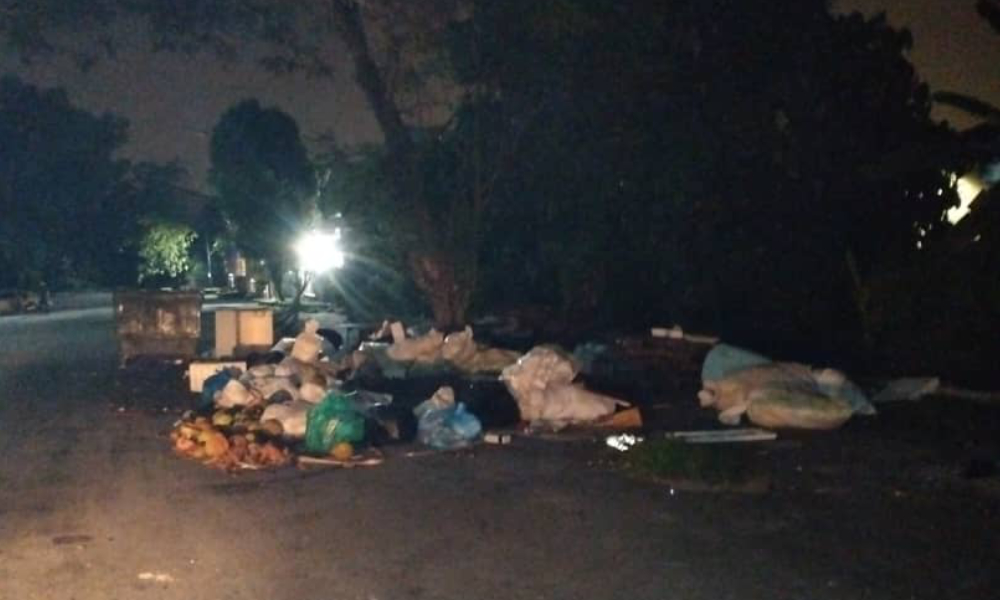
I have invested considerable effort over the years to document these failures on my blog, with the aim of showing the state government how MPS has consistently failed to deliver basic services.
My monitoring began about 30 years ago, even before it became a municipality, and the patterns of neglect remain disturbingly familiar.
What’s especially disheartening is the realisation that the root of the problem lies in the steady deterioration of state governance - particularly since the departure of the first batch of state executive councillors, who once showed genuine commitment to reform.
Despite raising concerns via WhatsApp to Amirudin and former local government exco Ng Sze Han, neither has visited the affected areas.
Worse still, Ng Suee Lim and a few state assemblypersons blocked my WhatsApp messages altogether - as if silencing complaints solves the problem. They should go down to the ground to see for themselves what people face every day.

Even formal channels like emails to both the local council, state assemblyperson, MP, state exco and the menteri besar, as well as the Public Complaints System, have yielded disappointing responses.
KDEB Waste Management Sdn Bhd - a wholly owned subsidiary of Menteri Besar Incorporated (MBI) - does clean up the mess, but illegal dumping often resumes the very next day.
While the blame falls squarely on the people, the root issue lies in poor enforcement. If Penang or Singapore can do it, why not Selangor? Council staff, paid to monitor and act, fail to deter repeat offenders. The cycle continues, unchecked.
What’s more alarming is the logistical bottleneck - I was told it would take two to three months to book the only catch basin cleaner truck available to serve the entire state. This delay explains why many monsoon drains remain filled with stagnant muck, posing health and flood risks.
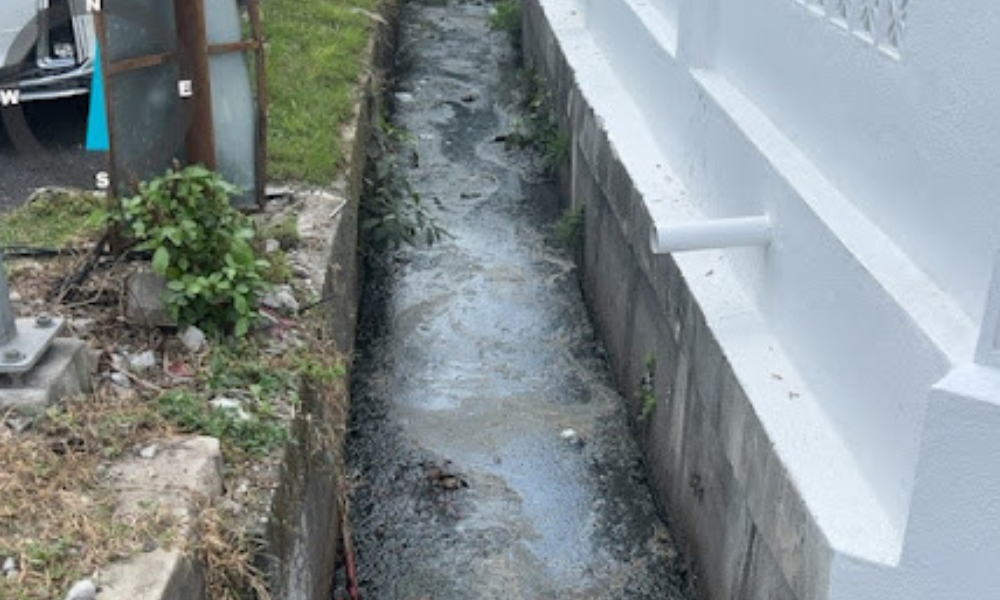
In my opinion, if KDEB lacks the budget to expand its fleet, then the responsibility falls squarely on the state government.
As KDEB is under Menteri Besar Incorporated (MBI), the menteri besar himself should focus on ensuring that the essential infrastructure is provided for - not just flashy initiatives like yet another parking system overhaul.
Is it time for change?
Considering that Selangor is one of the richest states in Malaysia, the poor delivery of basic services is not commensurate with its recent increase in assessment rates.
Factory owners in Rawang Integrated Industrial Park have often told me that their assessment rates were raised, but the services are poor. Illegal dumps keep appearing in the industrial estate.
Unlike the Federal Territories, Selangor has appointed local councillors, many of whom have retained their positions for a couple of terms.
But they are no longer as proactive as the pioneering batch in 2008. Today, many seem disengaged, with little accountability or ground presence.
Often, when complaints are lodged with their MPs or local state assemblypersons, it is just self-defence, instead of genuinely trying to solve problems on the ground.
As a long-time supporter of Harapan, I say this with a heavy heart: Selangor’s performance deserves an “F” because it fails to manage the performance of the local councils.
If this continues, unless there is a serious reshuffle in the exco line-up and a renewed commitment to ground-level governance, it may be time for change.
Even though the general election is just two years from now, it is still not too late to make the necessary changes for Selangor to leapfrog ahead, especially since Selangor is the gateway to tourists from around the world.
Let’s hope the leadership listens before the world arrives and sees not just our beauty, but our neglect.
The views expressed here are those of the author/contributor and do not necessarily represent the views of Malaysiakini.
/file/1022/37dfe987daf84fca332def7a5410947e.jpg)
/file/publisher-c1a3f893382d2b2f8a9aa22a654d9c97/2025/07/bd0ebcb7b4d707931a7bd46decf34c3e.jpg)
/file/publisher-c1a3f893382d2b2f8a9aa22a654d9c97/2023/05/4ac5d332f29c9063b7f3992444cc845c.jpg)
/file/publisher-c1a3f893382d2b2f8a9aa22a654d9c97/2023/03/8adfb89999296525fe6f425e51262ff0.jpg)
/file/publisher-c1a3f893382d2b2f8a9aa22a654d9c97/2025/06/a57c100fb4b4d3e9b332e51e9d901b8a.jpg)


Report this comment
Are you sure you want to delete this comment?
This action cannot be undone.