


/file/publisher-c1a3f893382d2b2f8a9aa22a654d9c97/2022/11/58d4322546b7654572518843e986d8dd.jpg)

LETTER | Why East M'sian voters deserve postal voting reform
LETTER | For years, the call to extend postal voting to Sabahans and Sarawakians living and working outside their home states has echoed across East Malaysia. Today, that call is growing louder and more urgent.
Recently, 23 NGOs in Sarawak, alongside Bandar Kuching MP Kelvin Yii, raised this very issue. Just days ago, Tambunan assemblyperson Jeffrey Kitingan reiterated the same concern.
These are not new voices, nor is this a new problem. It is a long-standing structural gap in our democratic system - one that continues to disenfranchise thousands of Malaysians.
And yet, despite repeated appeals, nothing has changed.
In 2002, a federal gazette introduced provisions for absentee voting. However, eligibility was narrowly extended to only three categories: members of the armed forces, media personnel, and Malaysians residing overseas.
This framework may have been sufficient two decades ago, but it no longer reflects the realities of modern Malaysia.

Today, tens of thousands of Sabahans and Sarawakians work or study in Peninsular Malaysia.
Many contribute significantly to the nation’s economy and development. Yet when election season comes, they are faced with a stark and unfair choice: bear the high cost of travel to return home to vote, or forfeit their democratic right altogether.
Change address on MyKad?
Some have suggested that East Malaysians residing in Peninsular Malaysia should simply change the address on their MyKad in order to vote locally.
This is neither a practical nor a fair solution.
Changing one’s address in MyKad is not a minor administrative step - it is a formal declaration of residence that carries long-term implications.
Many Sabahans and Sarawakians working or studying in Peninsular Malaysia do so temporarily. Their roots, families, and long-term futures remain in their home states.
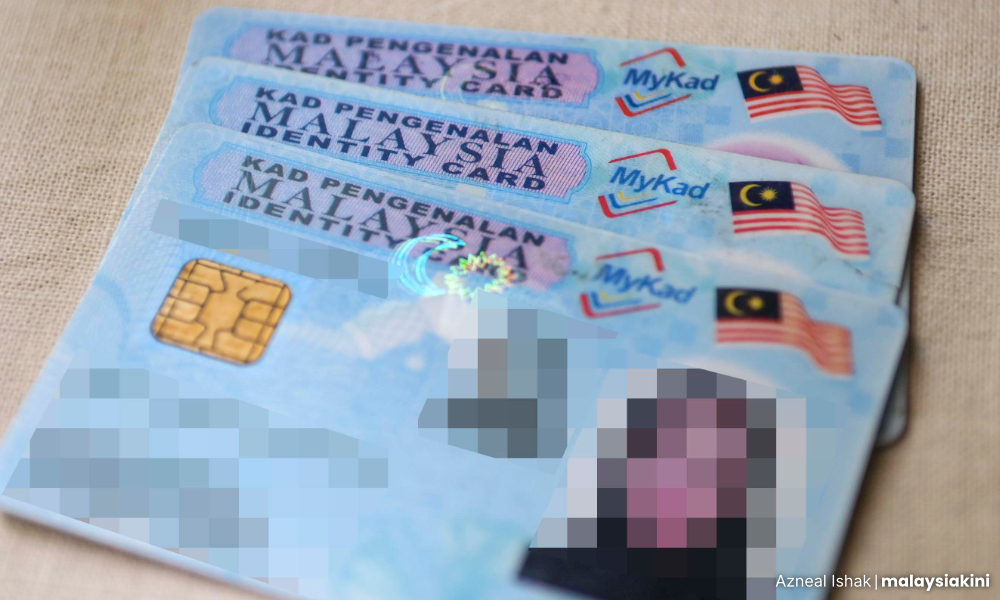
Are they expected to change their address on their MyKad every time they relocate for work or study - and then change it again if and when they return home?
Such a system creates unnecessary bureaucratic burden and fails to reflect the fluid realities of modern mobility. More importantly, it forces voters to choose between administrative convenience and their rightful connection to their home constituencies.
Voting should not require Malaysians to alter their identity or place of belonging.
A unique burden
For voters in Sabah and Sarawak, the barriers to voting are not merely inconvenient - they are structural and financial.
Unlike interstate travel within Peninsular Malaysia, returning to Sabah or Sarawak requires flights that can cost hundreds, sometimes thousands, of ringgit - especially during peak election periods.
Add to that limited seat availability, work constraints, and family commitments, and the reality becomes clear: voting is not equally accessible to all.
This is not just a logistical issue. It is an issue of fair representation.
When a significant portion of East Malaysian voters are unable to cast their ballots, the democratic outcome does not fully reflect the will of the people. Their absence is not apathy - it is systemic exclusion.
A constitutional right, not privilege
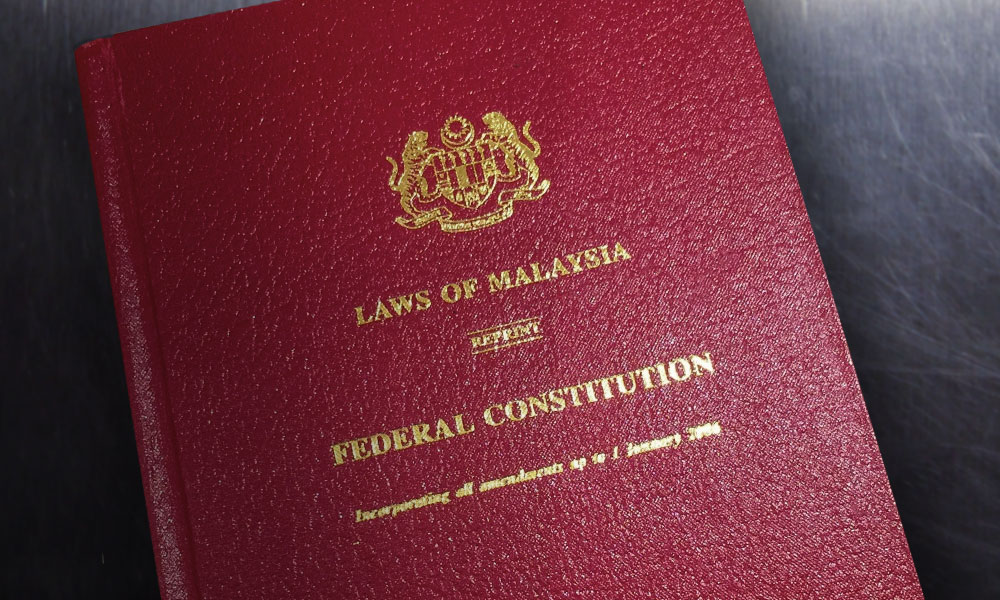
The right to vote is enshrined in the Federal Constitution. It is not a privilege reserved for those who can afford it.
Denying practical access to this right undermines the very foundation of our democracy. A system that allows certain groups to vote easily while placing disproportionate burdens on others cannot be considered equitable.
For years, I have consistently raised this issue - through media engagements, public advocacy, and even a formal petition.
Prior to the Sabah state election, I worked alongside civil society groups such as Sabah Action Body Advocating Rights (Sabar) and Sabah Law Society (SLS) to explore pathways to push this reform forward.
I have tagged the Election Commission and the federal government. Multiple Sabah leaders - from former ministers Madius Tangau, Shafie Apdal, Isnaraissah Munirah Majilis, and Jeffrey have spoken on this issue.
Yet, the response has been nothing but a deafening silence.
Time for collective action
The renewed call from Sarawak NGOs and leaders is a reminder that this issue transcends state lines. It is not just a Sabah issue. It is not just a Sarawak issue. It is a Malaysian issue.
And perhaps the reason it has not moved forward is that our efforts have been fragmented.
It is time for NGOs, civil society groups, youth movements, and community leaders in Sabah to come together with a unified voice.
We must move beyond isolated advocacy and work collectively toward a clear, structured demand.
I call upon all Sabah-based NGOs and stakeholders to unite in this pursuit, to co-develop a formal memorandum to be submitted to the EC and the federal government.
This memorandum should:
Clearly outline the challenges faced by East Malaysian voters,
Propose the expansion of postal voting eligibility to include Malaysians residing outside their home states,
Provide data, case studies, and comparative practices from other democracies,
Emphasise the constitutional imperative of equal voting access.
Together, we can amplify this issue beyond individual voices and create the momentum needed for real reform.
This is not a radical demand. It is not a partisan issue. It is not even a new idea. It is simply the right thing to do.
A government that is committed to democratic integrity must ensure that every Malaysian - regardless of geography - has a fair and reasonable opportunity to vote.
Until then, we must continue to ask - whose voices are missing from our elections, and why are we still allowing it?
Writer is the founder of The Vote Wisely Project.
The views expressed here are those of the author/contributor and do not necessarily represent the views of Malaysiakini.
/file/publisher-c1a3f893382d2b2f8a9aa22a654d9c97/2022/08/199ab536ae217ccc9458d88d8f0fa216.jpg)
/file/publisher-c1a3f893382d2b2f8a9aa22a654d9c97/2022/11/3c01b22b4433226edb1621e5a48ddb89.jpg)
/file/publisher-c1a3f893382d2b2f8a9aa22a654d9c97/2020/09/91a9dea4ec95d3bb8f1ab570ec5b7bd3.jpg)
/file/publisher-c1a3f893382d2b2f8a9aa22a654d9c97/2026/03/e7077378ba2939b5586e3f7915d448fd.jpg)
/file/publisher-c1a3f893382d2b2f8a9aa22a654d9c97/2021/11/cb3b3c2c3e75688e97a37a30cd38262c.jpg)


Are you sure you want to delete this comment?
This action cannot be undone.