


/file/publisher-c1a3f893382d2b2f8a9aa22a654d9c97/2020/12/05b5219ad3ec58bb4fdfcbfd0eab09c8.jpg)

LETTER | Beyond race and religion: The leadership Malaysia needs
LETTER | When Anwar Ibrahim became prime minister in November 2022, many Malaysians believed the country was finally turning a historic corner.
After decades of ethnic-based politics, corruption scandals, institutional decline and political instability, the emergence of a long-time reform advocate as prime minister generated hope that Malaysia could finally embark on a new national journey.
Many expected more than a change of government. They expected a transformation in the way the nation was governed.
Above all, they expected the emergence of a statesman capable of articulating a compelling vision of a united, inclusive, secular, multicultural, just and progressive Malaysia – a nation in which every citizen, regardless of ethnicity, religion or region, felt valued and had a meaningful stake in the country's future.
Nearly four years later, many Malaysians are asking a difficult question: what happened to that promise?
A growing crisis of trust
The central challenge confronting the Madani government today is not merely economic management, political competition, or public communication. It is a growing crisis of trust.
A significant trust deficit has emerged between the prime minister and large segments of the electorate. Increasingly, Anwar is perceived as a leader who does not consistently walk his talk, creating a widening gap between rhetoric and reality.
Credibility is the bedrock of effective leadership. Once public trust begins to erode, even well-intentioned policies struggle to gain support.
This perception may not be entirely fair, but in politics, perception often becomes reality.
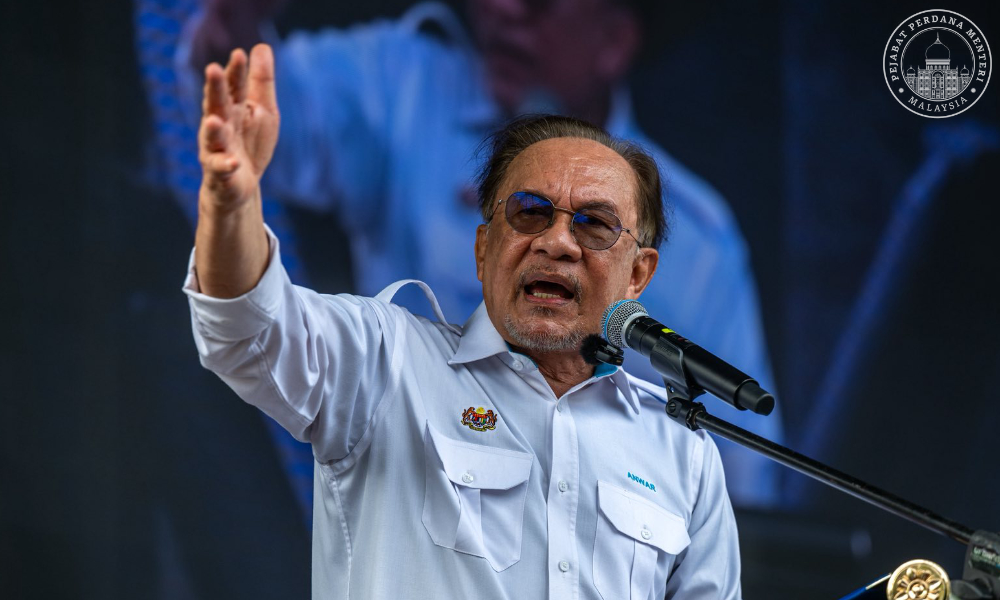
For many supporters, the disappointment stems not only from what Anwar has done, but also from what he has failed to do. Malaysians did not invest their hopes in him merely to manage the existing political order more effectively. They expected him to reform it.
Instead of concentrating his political capital on building a stronger Malaysian identity and advancing a national agenda that transcends race and religion, Anwar has often appeared preoccupied with enhancing his international stature while attempting to consolidate Malay support through increasingly conservative religious positioning.
The irony is that this strategy appears to have yielded diminishing returns.
Many Malays remain unconvinced that Anwar is the champion of Malay interests. At the same time, many non-Malays who strongly supported him now feel disappointed by what they perceive as a retreat from the reformist principles that once defined his political identity.
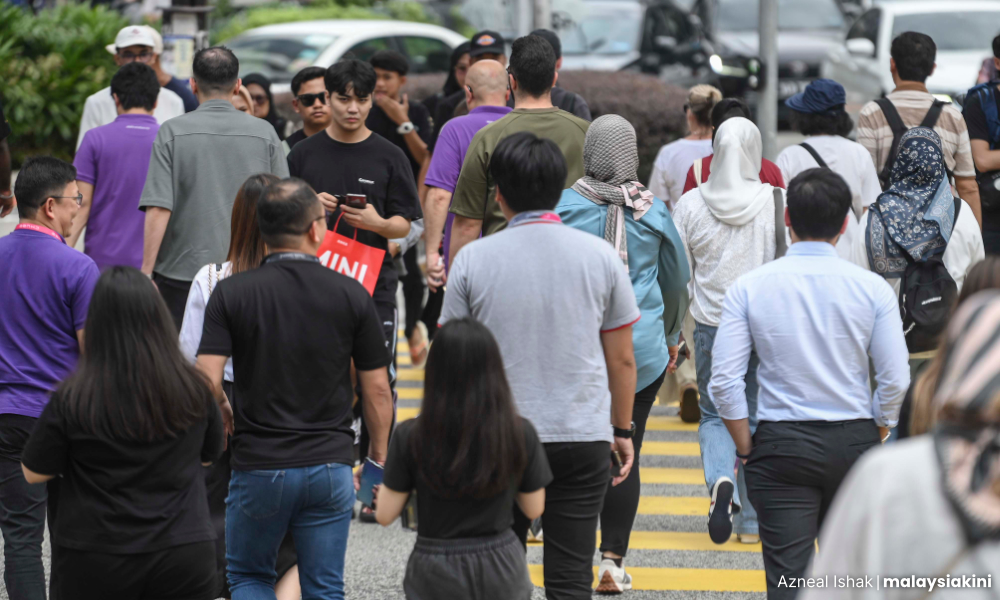
As a result, confidence in his leadership has weakened across the ethnic divide.
Leadership vacuum in Malaysian politics
Yet Anwar’s saving grace is the absence of a credible alternative. PAS, Umno and Bersatu have yet to produce a competent, Malaysia-centric leader with the vision, moderation and moral courage needed to lead a diverse nation.
This leadership vacuum may help Anwar politically, but it should not be mistaken for genuine public confidence in his government.

Malaysia badly needs a Malay leader capable of rising above ethnic calculations, religious posturing, and narrow political interests.
The country needs a leader who understands that genuine nation-building requires bringing people together, not constantly reassuring different communities of their insecurities.
Lessons from founding leaders, rulers and Sarawak
The nation’s founding leaders and Malay rulers understood that Malaysia’s success depended on balancing the special position of the Malays with the legitimate rights and aspirations of other communities.
They recognised that enduring stability, prosperity and national unity could not be achieved through ethnic or religious exclusivity, but through moderation, accommodation and a shared sense of nationhood.
Today, Malaysia requires a similar spirit of leadership.
One contemporary example can be found in Sarawak. Premier Abang Johari Openg has consistently promoted a model of governance centred on inclusivity, moderation, mutual respect, and practical problem-solving.
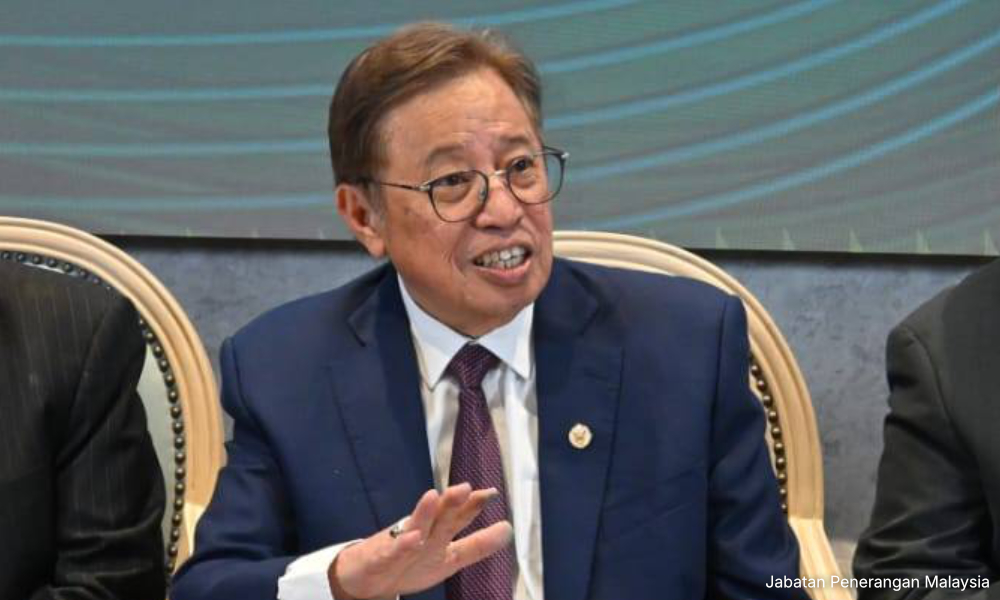
While Sarawak is not without its own challenges, its political culture demonstrates that ethnic harmony and social cohesion can be strengthened when leaders focus on common interests rather than communal anxieties.
Why J-Kom is getting it wrong
The recent communication approach adopted by the new Community Communications Department (J-Kom) leadership illustrates the broader problem.
Government communication should build confidence, foster understanding, and create trust between citizens and the state. It should be guided by emotional intelligence, humility, and respect.
READ MORE: Who is Syam Ghaz? New J-Kom chief hits ground running in first week
Instead, confrontational and combative communication often deepens political polarisation and reinforces public cynicism.
Governments do not strengthen their legitimacy by attacking critics. They strengthen it by listening, engaging and responding constructively.
The statesmanship Malaysia needs
The Madani government still has time to recover lost ground. However, rebuilding trust requires more than slogans, branding exercises, and public relations campaigns.
Trust is rebuilt through consistency, integrity, and the willingness to align actions with promises.
Malaysia’s future depends on more than economic growth figures or political survival. It depends on whether the country can produce leaders capable of transcending the politics of race, religion, and self-interest.
What Malaysians seek today is not another politician skilled at navigating competing constituencies. They seek a statesman with the courage to tell hard truths, challenge entrenched interests, and unite the nation around a shared vision of the future.
Such leadership would inspire confidence among Malays while reassuring non-Malays that they are equal partners in the Malaysian project.
It would strengthen national unity without sacrificing diversity and promote justice without fostering division.
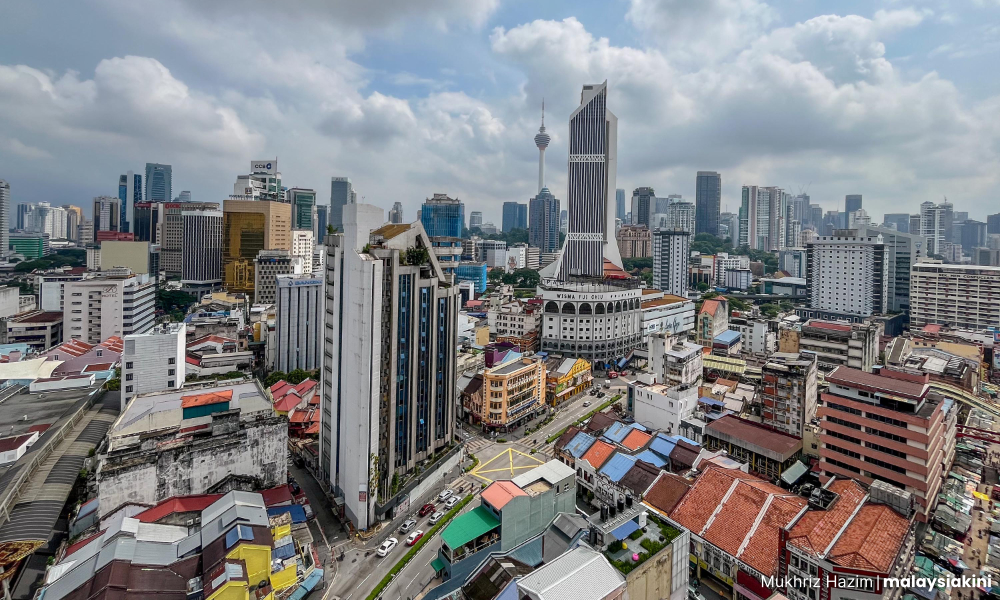
Anwar still has an opportunity to redefine his legacy. He can continue pursuing short-term political calculations, or he can embrace the larger task of becoming the statesman many Malaysians once believed he could be.
The window for such a transformation remains open, but it is narrowing.
Malaysia deserves leadership that looks beyond race, religion, and political expediency. It deserves leadership guided by vision, integrity, courage, and an unwavering commitment to nation-building.
That is the leadership Malaysia needs. Whether it will receive it remains the defining question of our time.
Writer is the founder and CEO of Exemplary Leadership Academy (ELA). ELA seeks to develop exemplary leaders and promote leadership practices that strengthen organisations, communities and the nation.
The views expressed here are those of the author/contributor and do not necessarily represent the views of Malaysiakini.
/file/publisher-c1a3f893382d2b2f8a9aa22a654d9c97/2026/06/202c430a0dd22fc1d64174b4252dc1b4.png)
/file/publisher-c1a3f893382d2b2f8a9aa22a654d9c97/2026/06/c085d4f3a0b248618a9c6aa5d0337370.jpg)
/file/publisher-c1a3f893382d2b2f8a9aa22a654d9c97/2026/06/7cd5427d587d8b16a5386071479d8684.jpg)
/file/publisher-c1a3f893382d2b2f8a9aa22a654d9c97/2022/10/abc7a0cb2154888ea9d6eed860caa590.jpg)


Are you sure you want to delete this comment?
This action cannot be undone.