


/file/publisher-c1a3f893382d2b2f8a9aa22a654d9c97/2026/06/d61eca846c2df972f6deea603c9c47ea.jpg)

LETTER | Johor polls: Political challenges and voter dilemmas
LETTER | The Johor state election signals a new chapter in Malaysia’s politics. While earlier elections were mostly about a few strong coalitions, this time things are more complicated.
New parties have appeared, alliances are shifting, and competition is more open. Unlike before, the contest is not just between two or three main groups.
Now, several parties and coalitions are involved, which could split votes and affect results in many areas.
Looking at the candidate lists so far, the election in Johor is shaping up to be one of the most competitive in the state’s history.
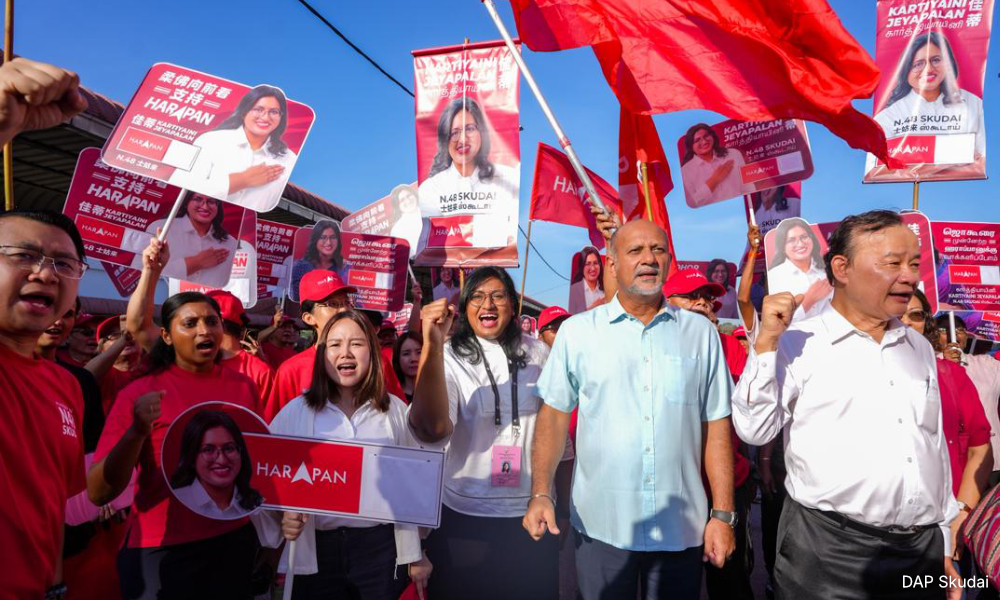
Pakatan Harapan is putting forward 56 candidates: PKR (20), DAP (17), and Amanah (19).
BN is also putting forward 56 candidates, with Umno (37), MCA (15), and MIC (4).
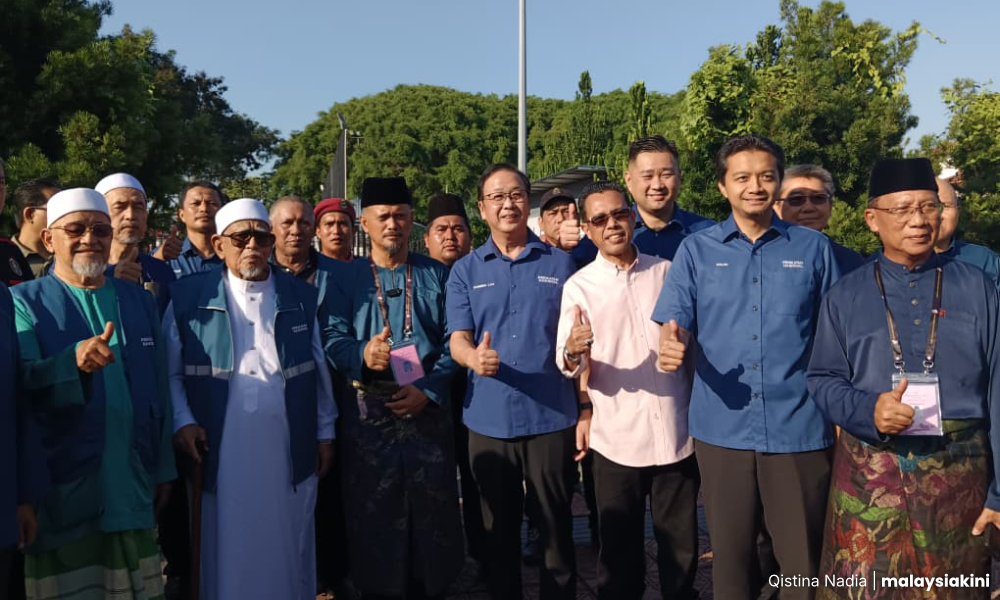
Perikatan Nasional has 33 candidates, including Bersatu (16), PAS (11), MIPP (5), and one from Pejuang.
Muda is contesting four seats, and Parti Bersama Malaysia (15).
Multiway contests, fragmented votes
This composition indicates that the polls can no longer be read as a straightforward two- or three-cornered contest.
Instead, many constituencies are expected to witness multi-cornered fights that could fragment votes and make outcomes difficult to predict.
In this context, the presence of smaller and newer parties such as Bersama may have a distinct impact, particularly among urban, semi-urban, and young voters.

Although new parties are not necessarily expected to win many seats, their ability to capture even a small share of votes can influence results in closely contested constituencies.
Under a first-past-the-post system, even minor vote shifts can have significant implications for the outcome.
At the same time, attention is also focused on the internal dynamics within PN, particularly the relationship between PAS and Bersatu, which appears less synchronised compared to previous elections.
READ MORE: Hadi: PAS not mobilising machinery to help Bersatu's campaign in Johor
While both continue to contest under the same coalition, campaign approaches that emphasise individual party identities may create the perception that cooperation is more tactical than reflective of a fully cohesive political alliance.
Perception matters
In politics, perception often carries nearly as much weight as reality. Public perception of coalition unity can significantly shape voter confidence, especially among those who prioritise stability and clarity in political direction.
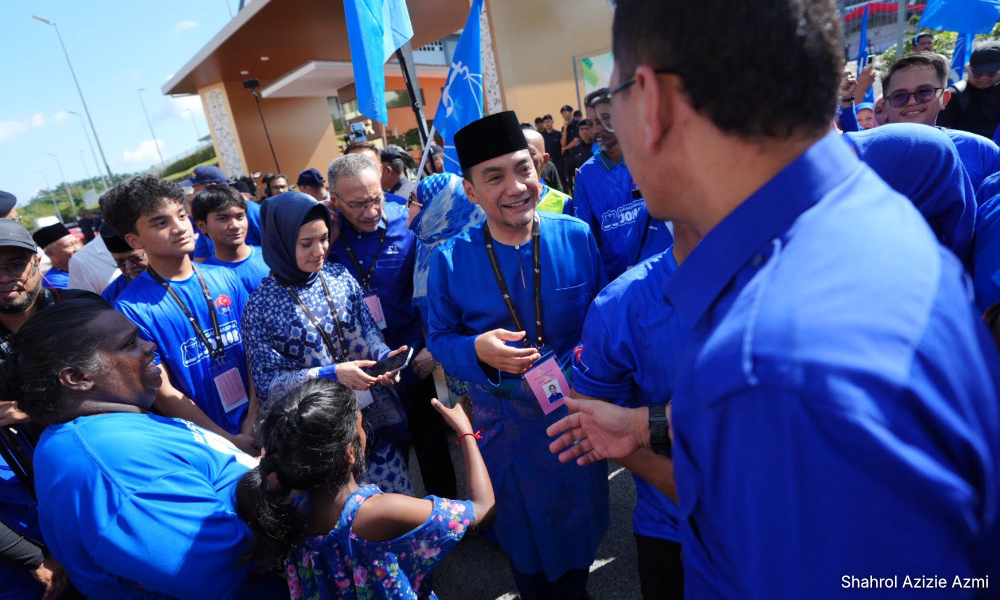
The relationship between Harapan and BN adds another layer of complexity. At the federal level, both coalitions share responsibility in governing the country.
However, in Johor, they are contesting separately and competing for the public mandate.
ALSO READ: Behind the narrative: Why 25 Johor BN seats are actually at risk
This creates a unique situation in which political partners at the national level become electoral rivals at the state level.
Throughout the campaign period, differences in narratives and political messaging between the two are expected to draw voter attention.
For core party supporters, this may not raise concerns, but for undecided voters, it could create questions about the consistency and direction of current political cooperation.
In addition, social media influence is expected to continue playing a crucial role in shaping political perceptions.
Compared to previous elections, which relied heavily on rallies and traditional media, this election unfolds within a fast-moving digital ecosystem driven by algorithms.
Short-form, viral, and easily accessible content is often more effective in shaping voters’ initial impressions.
Young voters, in particular, are increasingly inclined to evaluate parties and candidates based on issues that are closely connected to their daily lives.
In this environment, the ability of parties to communicate messages clearly, consistently, and effectively becomes increasingly important.
With a more open and competitive political landscape, voter turnout is expected to be one of the key determining factors of the election outcome.
Multi-cornered contests, the emergence of new parties, and competing political narratives may either increase voter engagement or, conversely, contribute to confusion among some segments of the electorate.
Policy offerings
During the campaign period, greater emphasis should be placed on policy offerings and solutions to issues closely affecting the public, such as the cost of living, employment opportunities, economic development, housing, infrastructure, and state governance.
A focus on substantive issues will help voters make more informed decisions, rather than being swayed solely by political attacks.
In conclusion, the Johor election is not merely a contest between Harapan, BN, and PN, but also a test of all parties’ ability to offer convincing policies, leadership, and narratives.
It also serves as a measure of how well political coalitions can maintain voter confidence in an increasingly dynamic political environment.
More importantly, this election highlights the challenges faced by voters in making choices.
The presence of multiple parties, multi-cornered contests, increasingly complex political relationships, and an overload of information on social media make decision-making far more difficult than before.
In such circumstances, voters are not only evaluating competing parties but also assessing candidate credibility, policy ideas, and their capacity to deliver solutions to public concerns.
Ultimately, the polls will serve as a test of how effectively political parties can convince the electorate, while also reflecting the discernment of voters in evaluating the range of choices before them.
As in any democratic process, the outcome at the ballot box will determine the political direction of Johor for the next five years.
Writer is a senior lecturer at Universiti Putra Malaysia.
The views expressed here are those of the author/contributor and do not necessarily represent the views of Malaysiakini.
/file/publisher-c1a3f893382d2b2f8a9aa22a654d9c97/2026/06/a475cd768e90b743652031bc65e2e7c7.jpg)
/file/publisher-c1a3f893382d2b2f8a9aa22a654d9c97/2026/06/0f056372a0f63c32e00e45c53dd0bed2.jpg)
/file/publisher-c1a3f893382d2b2f8a9aa22a654d9c97/2026/06/70001b50424faefff03af757b9bb3653.jpg)
/file/publisher-c1a3f893382d2b2f8a9aa22a654d9c97/2026/06/1d55f9d182479ac4cdddfc536c551454.jpg)
/file/publisher-c1a3f893382d2b2f8a9aa22a654d9c97/2026/06/3b1ed7e31f8ffcb5a491366c2a34b517.jpg)


Report this comment
Are you sure you want to delete this comment?
This action cannot be undone.