


/file/publisher-c1a3f893382d2b2f8a9aa22a654d9c97/2026/07/f6b64af89343b156a4f869a20e4e5675.png)

LETTER | Football ends, sleep debt doesn't
LETTER | For 39 days, Malaysia ran on borrowed sleep.
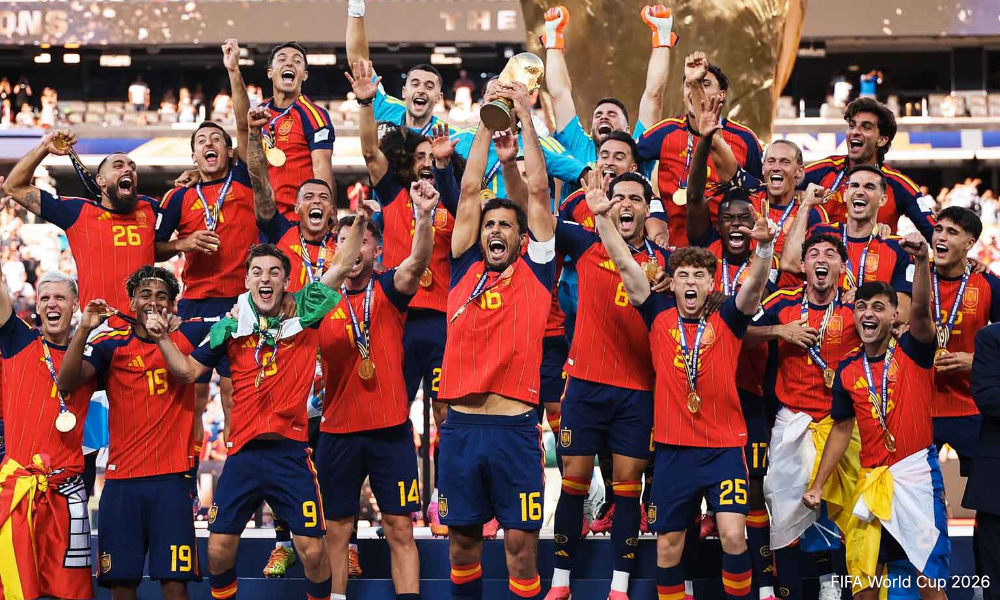
The World Cup final between Argentina and Spain kicked off at 3am, the last of a tournament in which well over half of our most-watched group matches landed between midnight and 5am.
Restaurants across the country were packed by kick-off. Whoever ended up lifting the trophy, most of us were awake to see it.
That is what makes a World Cup special. It is also, quietly, a problem.
The morning after, one-day emergency leave requests tend to spike and offices run a little slower.
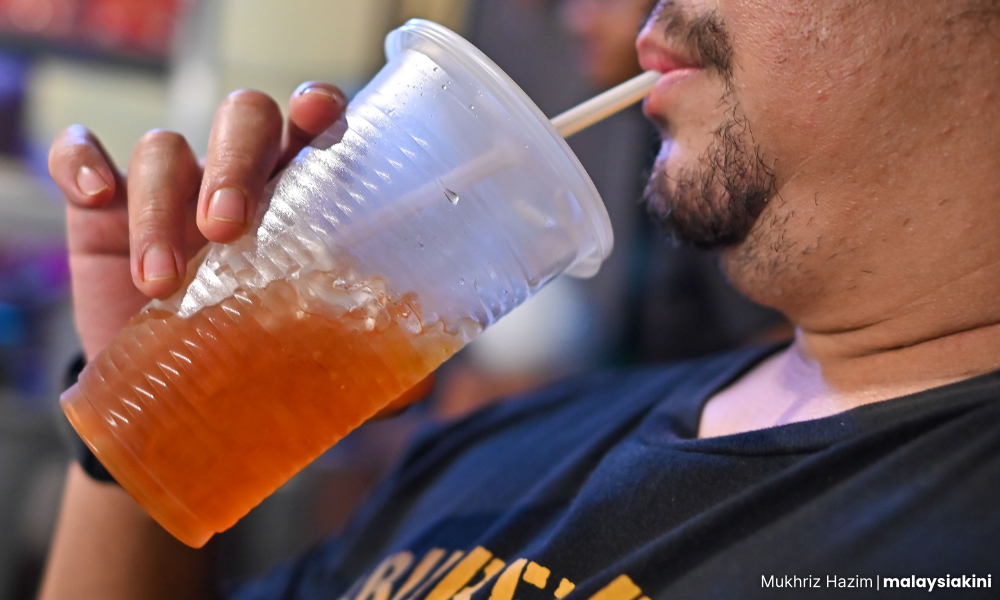
Malaysia already carries one of the highest obesity rates in Southeast Asia: 54.4 percent of adults overweight or obese, 21.8 percent clinically obese, as per the 2023 National Health and Morbidity Survey.
Weeks of disrupted sleep, however joyfully spent, do not help that number.
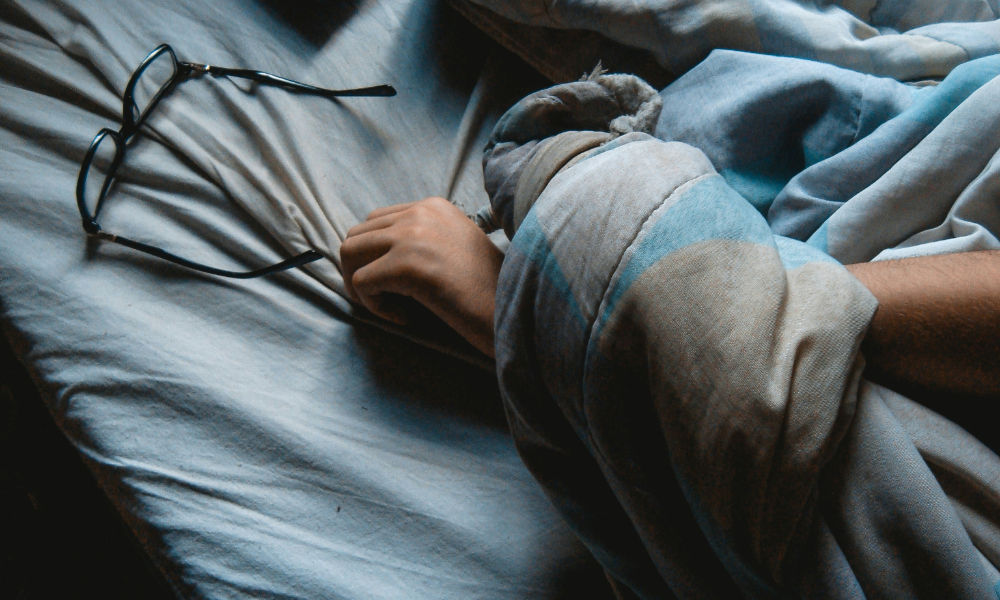
Nor does it help that a sleepless night quietly rewires appetite: leptin, the hormone that signals fullness, drops, while ghrelin, the hunger hormone, rises.
That is a large part of why the post-match restaurant run feels less like a choice than a compulsion.
Lack of sleep and risks
"While staying up for World Cup matches may seem harmless, even one night of lost sleep has measurable effects: impaired attention, reaction time, decision-making and mood, along with more daytime sleepiness and a higher accident risk," said Ahmad Izuanuddin Ismail, president of the Sleep Disorder Society of Malaysia (SDSM) and vice-president of the College of Physicians Malaysia.
"It raises blood pressure, promotes inflammation and impairs glucose metabolism, with a transient rise in cardiovascular risk, particularly for those with obesity, obstructive sleep apnoea, hypertension, diabetes or cardiovascular disease.
“The excitement of football lasts a night. The effects of lost sleep can linger much longer,” he added.
This was the exact aspect covered at Sleep 2026 x Malaysian Multidisciplinary Sleep Conference (MMSC), jointly organised by SDSM and Universiti Malaya Medical Centre (UMMC) in Bangsar South earlier this month under the theme "Redefining Sleep Health in the Obesity Era."
The conference drew sleep specialists from across the region, among them academic Naricha Chirakalwasan, president of the Sleep Society of Thailand, who offered a caution against the usual fix.
"You cannot undo one bad night by sleeping in the next day.
"Restoring normal hormonal and circadian balance after sleep loss can take several weeks of consistent, adequate sleep, so regularity matters more than 'catching up’.
“Irregular sleep is itself linked to poorer metabolic, cardiovascular and mental health outcomes,” she said.
Clear message
Between the two, the message is fairly clear: a long lie-in will not undo one late night, and treating this as normal across a six-week tournament adds up.
It will not be the last test this year, either. The Premier League kicks off just 33 days after this final, with La Liga close behind, and Malaysia will find fresh reasons to stay up long before the World Cup returns in 2030.
All of which makes now a sensible time to build the habit properly, rather than patching it up after every big match.
What helps is surprisingly simple. Rather than sleeping until midday, a short nap of about 20 to 30 minutes the following afternoon can restore alertness without throwing your body clock further off course.
Once the final whistle blows, it is also worth resisting the temptation to extend the night with another round of restaurant food or caffeine, as both make it harder for the body to return to its normal rhythm.
The priority should instead be to resume your usual bedtime the very next night and, more importantly, keep a consistent wake-up time even if your sleep has been disrupted, as a regular waking hour is one of the strongest signals for resetting the body's internal clock.
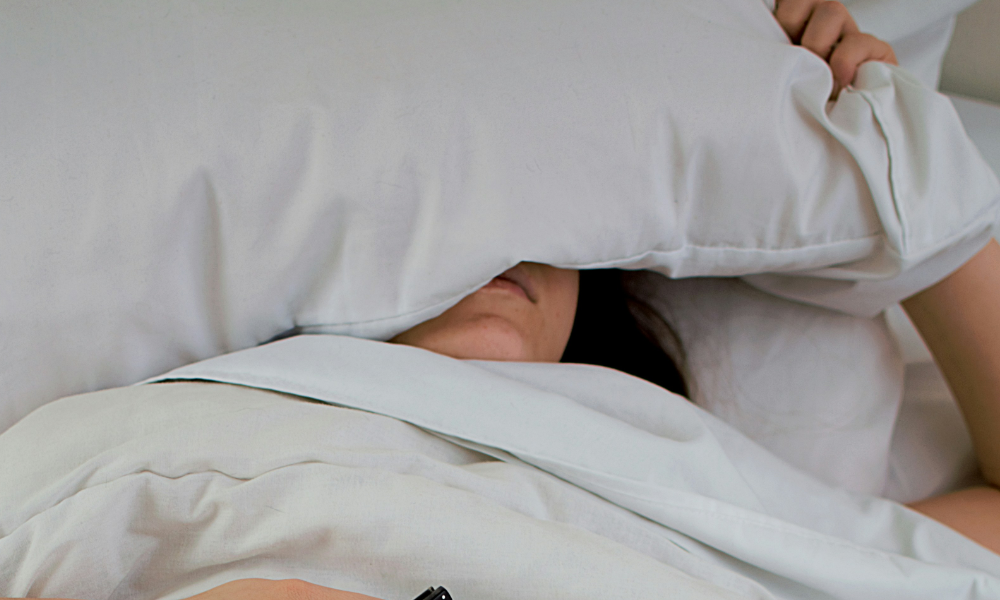
And if the tiredness continues well beyond match week, or you regularly snore, wake up feeling unrefreshed or find yourself constantly reaching for food, it may be time to have your sleep properly assessed rather than simply blaming it on football.
Football will keep asking Malaysians to trade sleep for a few hours of excitement. The least we can do is make sure that debt gets repaid properly, not written off until the next final.
Writer is a consultant otorhinolaryngologist, head, neck and sleep surgeon at Universiti Malaya Medical Centre and executive committee member of the Sleep Disorder Society of Malaysia.
The views expressed here are those of the author/contributor and do not necessarily represent the views of Malaysiakini.
/file/1359/a60b0e2c489f477038ab2c87f61bb603.jpeg)
/file/publisher-c1a3f893382d2b2f8a9aa22a654d9c97/2020/03/e277c4699885dcc34d05ad1e8b421599.jpg)
/file/publisher-c1a3f893382d2b2f8a9aa22a654d9c97/2022/10/6d9ccc6e23f8831041760eae5f978079.jpg)
/file/publisher-c1a3f893382d2b2f8a9aa22a654d9c97/2021/06/0b595024f4e6960e4c3ba2e602154866.png)


