




Police to probe Pakatan 11 over mass protest
Top opposition leaders will be called in for questioning over a massive weekend protest against internal security laws that saw 589 people arrested.
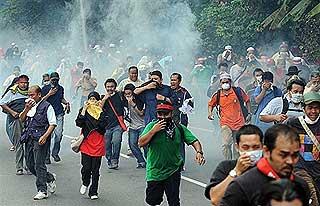
In the biggest demonstration in Malaysia for nearly two years, police used tear gas and water cannon on Saturday to disperse more than 20,000 people calling for the abolition of laws that allow for detention without trial.
Top opposition leaders will be called in for questioning over a massive weekend protest against internal security laws that saw 589 people arrested.
In the biggest demonstration in Malaysia for nearly two years, police used tear gas and water cannon on Saturday to disperse more than 20,000 people calling for the abolition of laws that allow for detention without trial.
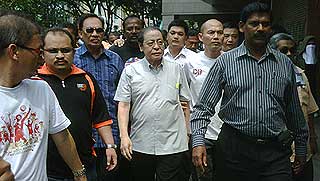 "The police will be calling in those believed to be responsible for the demonstration," deputy police chief Ismail Omar told
AFP
, saying there were 11 key figures on the list.
"The police will be calling in those believed to be responsible for the demonstration," deputy police chief Ismail Omar told
AFP
, saying there were 11 key figures on the list.
Ismail did not name the 11, but police earlier said they included opposition leader Anwar Ibrahim, veteran legislator Lim Kit Siang from the Democratic Action Party (DAP) and Abdul Hadi Awang from the Islamic party PAS.
Anwar's PKR has partnered with DAP and PAS to form the Pakatan Rakyat, an opposition alliance that made huge strides against the ruling coalition in elections a year ago.
On Monday, 29 demonstrators including a teenage boy and were charged in court over the protest.
Excessive use of tear gas
Human rights watchdog Suaram lodged a police report today accusing the authorities of "excessive use of force" and saying it had photographic evidence of brutality and rights abuses.
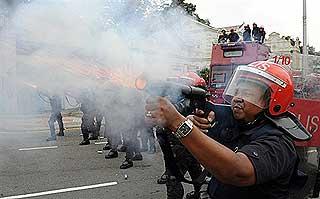 "The protesters were beaten up by the police, tear gas canisters were directly shot at them, they were very rough in handling the arrests and there was excessive use of tear gas and water cannon," said Suaram coordinator Temme Lee.
"It was one-sided violence from the police, there was no confrontation from the protesters. We demand that the police chief resign," she added.
The Bar Council has also condemned the crackdown, saying it violated citizens' right to freedom of assembly and expression.
 Prime Minister Najib Razak has denounced the demonstration, saying he has already promised to review the controversial legislation, the Internal Security Act (ISA).
However, the opposition and rights groups are calling for the total abolition of the colonial-era ISA, which has been used to detain government opponents as well as suspected terrorists.
Rights groups said there are 14 people currently being held under the ISA, some for alleged militant activities and others for falsifying documents.


Are you sure you want to delete this comment?
This action cannot be undone.