




NGO: Najib 'misinformed' on Sabah energy options
A coalition of NGOs opposing the proposed coal-powered plant in Sabah’s east coast has challenged Prime Minister Najib Abdul Razak’s claim that there were few options about energy in Sabah, saying the premier was misinformed on the state’s energy production potential.
A coalition of NGOs opposing the proposed coal-powered plant in Sabah’s east coast has challenged Prime Minister Najib Abdul Razak’s claim that there were few options about energy in Sabah, saying the premier was misinformed on the state’s energy production potential.
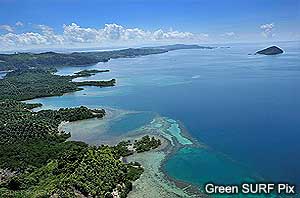 “We want to stress that we have natural gas which we should be using locally for our power needs. We are not only talking about renewable energy from biomass waste, which in any case, studies have shown to be a cost-competitive option to coal,” said Wong Tack, a member of the coalition known as Green Surf (Sabah Unite to Re-power the Future).
The coalition further claimed that the ruling BN government loses nothing in scrapping plans to use coal, which they called a “dirty source of energy”, and instead use natural gas which is readily available in the state.
Wong disputed claims that the coal plant was the best solution, saying it would take three years to complete just the first phase of the plan, while natural gas power plants could be up and running in two years.
Furthermore, he said, gas was already in immediate supply, while coal had to be imported.
“The coal plant is not a solution if there is an urgency to improve (Sabah’s) power supply. We believe the prime minister was misinformed and the decision to build a coal plant was misguided,” he said in a statement.
“The government should be able to expand natural gas plants and upgrade the grid system before the next elections. By having power in place, the government won’t risk losing power in the elections,” he added, putting a political spin on the issue.
Coal comfort
Bernama had reported that Najib, who was in Sabah over the weekend, had justified the use of coal power as it was the government’s priority to increase power generation, due to high incidence of power interruption in Sabah.
 “There are other alternatives (to coal) but the cost of the alternatives is still higher than through the conventional system,” he said.
“People in Sabah are not prepared to pay higher rates... how do we develop alternative energy? And in the short term, there is not much alternative.”
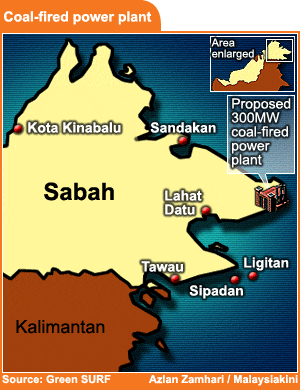
The proposed 300-megawatt coal-powered plant has faced sustained public outrage since it was first proposed two years ago.
The plans were abandoned twice before, after protests from locals and the state government. The current proposed plant will be built on Felda Sahabat land, which comes under federal jurisdiction, and will run on coal imported from Kalimantan, Indonesia.
And while the federal government has opted not to use natural gas to power Sabah, it is building a RM2 billion Sabah oil and gas terminal (SOGT) on Sabah’s west coast to channel natural gas from the coastal district of Kimanis to Petronas’ LNG complex in Bintulu, Sarawak via a 500 km-long Sabah-Sarawak gas pipeline (SSGP).
Bernama reported in May that the SOGT is expected to be completed by the third quarter of 2013.


Are you sure you want to delete this comment?
This action cannot be undone.