




10 EPPs identified for Greater KL
Building an integrated urban mass rapid transit system linking Singapore via a high-speed rail system and wooing 100 of the world's most dynamic firms are among projects identified to deliver on the Greater Kuala Lumpur under the National Key Economic Area (NKEA).
Building an integrated urban mass rapid transit system linking Singapore via a high-speed rail system and wooing 100 of the world's most dynamic firms are among projects identified to deliver on the Greater Kuala Lumpur under the National Key Economic Area (NKEA).
Revitalising the Klang River into a heritage and commercial district is also among the 10 entry point projects (EPPs) along four dimensions identified to deliver on the Greater Kuala Lumpur under the NKEA.
Growth in Greater KL economic activities will increase total employment from 2.5 million in 2010 to 4.2 million by 2020.
 These details were disclosed by members of the laboratory set up by the Performance Management and Delivery Unit (Pemandu) in the Prime Minister's Department led by Ahmad Suhaili Idrus at the Economic Transformation Programme (ETP) Open Day in Kuala Lumpur today.
The Greater Kuala Lumpur NKEA's vision is to be a city that simultaneously achieves a top-20 ranking in city economic growth while being among the global top-20 most liveable cities by 2020.
Four dimensions to deliver the Greater Kuala Lumpur aspirations are Greater KL as a magnet, Greater KL connect, Greater KL new places and Greater KL enhanced services.
Greater KL EPPs will require a cumulative funding of RM172 billion from 2010 to 2020, 34 per cent of which is expected to come from the public sector.
The other EPPs are greening Greater Kl to ensure residents enjoy sufficient green space, creating a comprehensive pedestrian network, creating iconic places and attractions, developing an efficient solid waste management ecosystem and sewerage-non river.
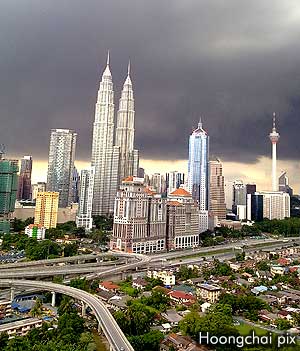
Greater KL, already on the global map as one of the iconic cities of Southeast Asia, will boast as the world-renowned landmarks such as the Petronas Twin Towers, a unique blend of diverse cultures and heritage, an extensive road network and high quality basic services such as water and electricity.
However, it now faces fierce competition from neighbouring cities in attracting talents and multinational corporations.
Its liveability lags behind many other Asian cities, public transport remains inadequate and many natural assets remain untapped.
The NKEA laboratories involved more than 500 participants from over 200 private sector companies, government ministries, agencies, regulatory bodies and non-governmental organisations.


Are you sure you want to delete this comment?
This action cannot be undone.