




Ignorance on formation of M'sia worrying, says Masing
Parti Rakyat Sarawak (PRS) president James Masing has urged Malaysians in Peninsular Malaysia to learn about how Sabah and Sarawak helped form the Federation of Malaysia, so as to avoid potential misunderstandings.
Parti Rakyat Sarawak (PRS) president James Masing has urged Malaysians in Peninsular Malaysia to learn about how Sabah and Sarawak helped form the Federation of Malaysia, so as to avoid potential misunderstandings.
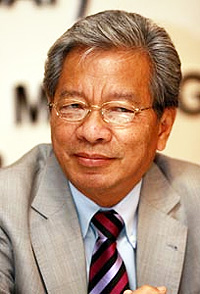 In an interview with Malaysiakini, Masing said those in Peninsular Malaysia need to understand the needs, rights, religious beliefs and unique position of the two East Malaysian states.
"If we are really serious about 1Malaysia, we must do it as there is a growing gap of understanding between Peninsular Malaysia and the Borneo states
"We must address this trend as soon as possible, because any lack of historical understanding will result in mistrust and conflicts," said Masing, who is also Sarawak Land Development Minister.
Citing the controversy over the use of the term 'Allah', Masing said there are those from Peninsular Malaysia who do not understand the position and needs of those in Sabah and Sarawak.
"Perhaps some young Umno members need to study the formation of Malaysia and the 18-point agreement set by Sarawak and the 20-point agreement set by Sabah.
"They must be reminded that without the support of Sarawak and Sabah, there will be no federation of Malaysia. It would only be just a federation of Malaya with 11 states," he added.
Confusion over names
Masing also expressed support for Sabah Deputy Chief Minister Yahya Hussin’s recent statement that those outside Sabah often wrongly associate names and appearances with religion.
"A person by the name of Muhamad may not necessarily be a Muslim, or David a Christian. The use of 'bin' or 'binti' in a person’s name does not necessarily mean he or she is a Muslim.
"This happens a few times during the fasting month and causes a few embarrassments," Masing said.
He said that this was among some of the misconceptions that those from Peninsular Malaysia had about Sarawak and Sabah.
On Sunday, The Star quoted Yahya lamenting about how outsiders do not appreciate the unique traits of Sabahans, pointing out that there are Christians with Muslim-sounding names and non-Muslims who don the songkok.


Are you sure you want to delete this comment?
This action cannot be undone.