




Lawyer to journalists: To avoid defamation, use checklist
A British lawyer today advised journalists and editors to always keep a checklist of do's and don'ts when doing sensitive articles, particularly if it was based on sources, to avoid a heavy price being paid in defamation lawsuits.
Reminding journalists to act and publish responsibly, lawyer Anna Coppola said a checklist would help avert this situation, particularly the criteria listed in Reynold's test of qualified privilege .
She also stressed journalists should double check allegations made by their sources. “Contact the subject (of the allegation to get the other side's view). That is how it should be approached.
“Follow and tick the checklist,” she emphasised.
The best defence for journalists and news organisations, the lawyer added, was to publish responsibly.
Coppola, who is from the 5RB Chambers in the United Kingdom and also a registered foreign lawyer at Singapore-based law firm, Oon and Bazul, was speaking today at the Media Law Forum in Kuala Lumpur, organised by law firm Raja, Darryl and Loh and MySeminars.
She was one of the panel members in discussion on the topic 'Sources of information – protecting the media'.
She also warned of potential liabilities in breaching confidential material, if the source came from a whistleblower website.
The lawyer said although there is a defence of public interest, it involved a balancing act between that, and committing defamation.
'Immune to disclosure'
Meanwhile, Singapore lawyer Benedict Teo, who is director of dispute resolution at law firm Messrs Drew and Napier, said he did not think the island republic demanded that its journalists reveal a source.
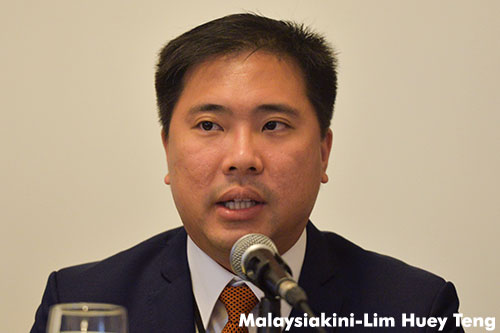 Citing a decision in a court case involving a blogger reporting a corruption case, Teo (
photo
) said the Singapore court ruled that the blogger did not have to disclose the identity of his sources.
Citing a decision in a court case involving a blogger reporting a corruption case, Teo (
photo
) said the Singapore court ruled that the blogger did not have to disclose the identity of his sources.
This, he added, is because in the Prevention of Corruption Act (Singapore), informers of any corruption are immune to disclosure.
“The Court of Appeal in Singapore upheld an appeal made against the blogger. The courts would take a balanced view,” he said.
Teo said as in the UK, Singapore and here in Malaysia. the Reynold's test of qualified privilege applies.
Malaysiakini's co-founder Steven Gan reiterated the need to protect a source, even if it meant going to jail.
He said trust is a key pillar of the journalism profession. “Readers place their trust in us. Our sources will also need to trust us when we give our word not to reveal their identities.
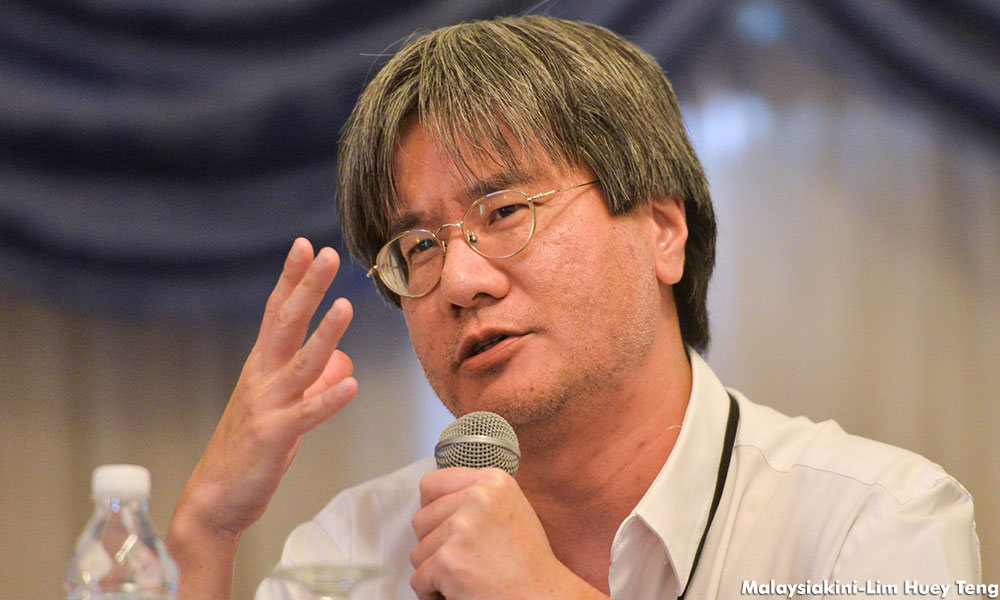 “We must be willing to go to the extent of going to jail to protect their identity. If we cannot hold on to our promises, we might as well be politicians,” he quipped.
Gan ( photo ) cited three instances he had faced this situation.
The first was when reporting the death of detainees in an immigration camp, the authorities requested him to reveal his source.
The second regarded a letter that Malaysiakini published, which saw 19 of the portal's computers seized.
The third, the Malaysiakini co-founder said, happened recently when the police requested the portal to reveal the email address of one of its columnists.
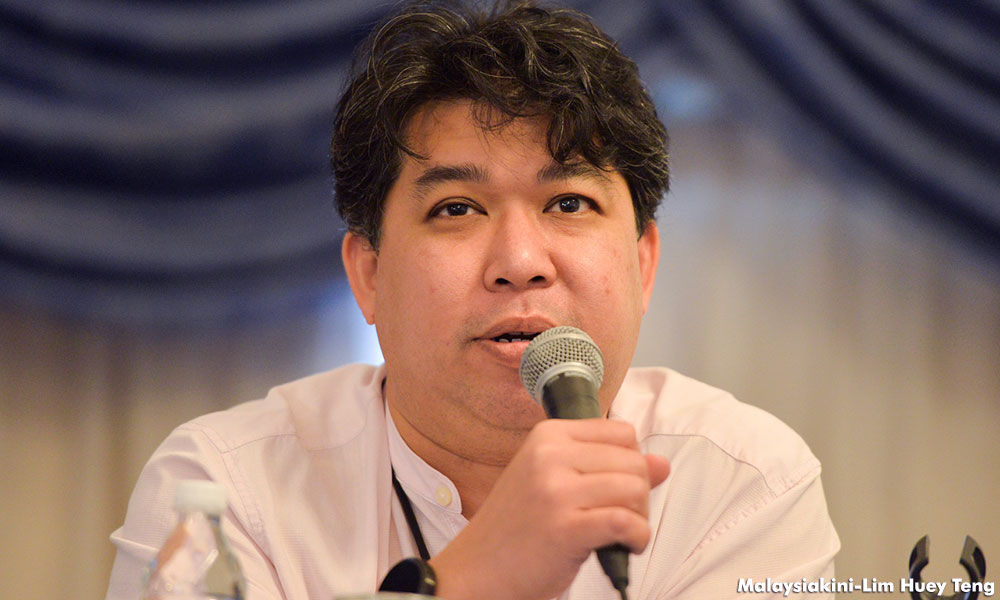 Gan said on all three occasions he had refused to reveal the details sought by the authorities.
The Malaysian Insider chief executive officer and editor, Jahabar Sadiq ( photo ), echoed similar sentiments adding: “We have to protect our sources to the extent of being willing to go to jail.
“I have been called countless times to reveal, even threatened. You cannot waiver, as trust and integrity are involved. We will never reveal our sources,” he emphasised.


Are you sure you want to delete this comment?
This action cannot be undone.