




Our role in combating haze and climate change
COMMENT At the Copenhagen Climate Summit in 2009, Prime Minister Najib Abdul Razak informed that Malaysia was committed to meet its targets to reduce the carbon emission intensity of its Gross Domestic Products (GDP) by 40 percent by 2020, compared with its 2005 levels.
This was conditional to receiving assistance in the form of technology transfer and financing from developed countries. Malaysia also pledged to keep 50 percent of our country’s land area forested.
At the United Nations Climate Summit in New York in September 2014, Najib announced that Malaysia had already reduced the emissions intensity of GDP by more than 33 percent, and we are well on track to hit our target of 40 percent reduction by 2020.
COMMENT At the Copenhagen Climate Summit in 2009, Prime Minister Najib Abdul Razak informed that Malaysia was committed to meet its targets to reduce the carbon emission intensity of its Gross Domestic Products (GDP) by 40 percent by 2020, compared with its 2005 levels.
This was conditional to receiving assistance in the form of technology transfer and financing from developed countries. Malaysia also pledged to keep 50 percent of our country’s land area forested.
At the United Nations Climate Summit in New York in September 2014, Najib announced that Malaysia had already reduced the emissions intensity of GDP by more than 33 percent, and we are well on track to hit our target of 40 percent reduction by 2020.
This was also reported in the 11th Malaysia Plan. At the opening of the Eco-Products Exhibition and Conference (IGEM) 2015, the prime minister announced that we are projected to achieve 35 percent reduction of emissions intensity of GDP by the end of 2015.
It was very likely that our forests contributed quite considerably to this achievement by absorbing carbon.
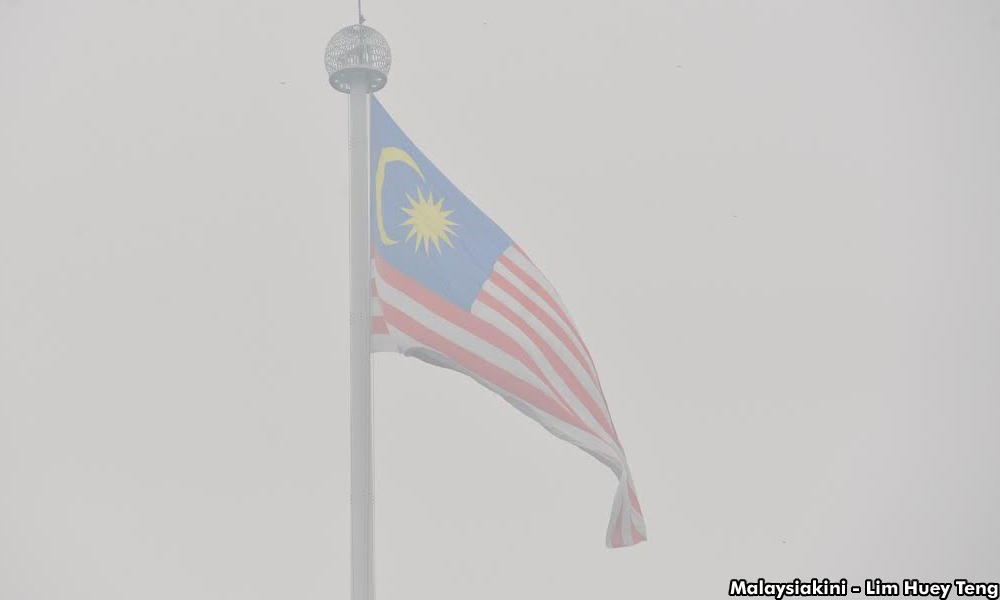 However, soon thereafter, we had one of the worst haze events lasting for weeks. The full impact on the inter-related aspects of societal well-being, economy and ecological health is yet to be assessed, as some would have slow onset effects and are only apparent well into the future.
There were also immediate impacts, such as health concerns, school closures, productivity drops, airport closures and business operations falling.
The haze we experienced came from forests burning in Indonesia and impacted Malaysians and others in the region at an immense cost to the people and nations.
While the recent haze was due to forest fires and peat soil burning in Indonesia, Malaysia too has been the source of the haze in the past. This could very well recur in the future, especially in light of climate change and more intense and frequent El Nino occurrences, resulting in severe drier periods.
Forest degradation
Forest degradation and land clearing expose Malaysia to further risks of home-grown haze in the future, alongside the ongoing onslaught from transboundary haze. This would also release tonnes of carbon stored in forests and soil, in turn aggravating the rate of climate change by increasing heat-trapping carbon dioxide concentrations in the atmosphere and further disrupting the earth system stability.
It was reported that the daily emissions from the Indonesian forest fires exceeded the emissions of the entire US economy at the height of the haze this year.
Furthermore, forest degradation exposes us to more severe impacts of climate change. The cause of the recent mudslide on the Karak Highway is still being determined, but deforestation in the surrounding areas has been identified as a potential cause.
Soil stability is compromised in degraded areas and more unusual and intense rainfalls patterns that are already being experienced, attributable to climate change, result in mudslides and other devastating impacts that directly affect us.
Malaysians will recall the extent of hardships from other recent events. Klang Valley experienced water rationing for a protracted period of three months last year. Cameron Highlands experienced severe landslides that caused immense destruction to the ecosystem as well as people and economies depending on it.
In addition, a particularly harsh monsoon season last December, which with climate change could become the norm in the future, caused many to lose their homes and livelihoods.
Diversion of taxpayers’ money
The ensuing damage resulted in the diversion of billions in taxpayers’ money from last year's national budget towards reconstruction and relief measures, to address the destroyed developmental gains.
All these impacts could be reduced, or even avoided, if ecosystems are allowed to function properly. Forests regulate the water cycle, provide soil stability and also regulate the micro climate.
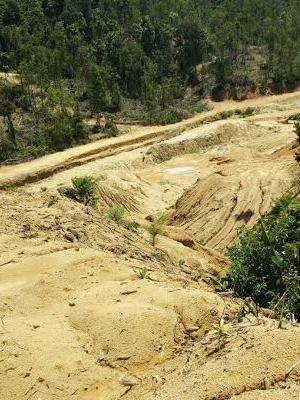 If forests are degraded or destroyed, we can no longer enjoy these irreplaceable services upon which all of us depend on and largely take for granted.
The 2005 tsunami opened our eyes to the invaluable protection areas with mangrove cover provided, for the full brunt of the giant tidal wave was absorbed by this natural defence mechanism.
Malaysia has submitted its Intended Nationally Determined Commitment (INDC) before the Paris Climate Change Conference (COP 21) negotiations, which takes place from Nov 30 to Dec 11, 2015, on addressing climate change towards achieving a global outcome. COP21 works on developing obligations that will commence in 2020.
Considering the haze’s immediate and expected long term societal and ecological impacts, devastating natural disasters that we have become subjected to in recent times, forests and other ecosystems contributing to both carbon removal from the atmosphere and also climate resilience building, the outcome from COP21 should incorporate efforts to maintain, repair and improve the integrity of the natural world.
The conference is an important opportunity to protect the vulnerable people and natural systems that are disproportionately impacted by climate change. It is hoped that Malaysia, as one of the world's mega biodiverse rich nations, will champion this in the on-going negotiations.
We may not be able to do anything about the past - the changes in the climate that we are already going to experience due to historical releases of greenhouse gas emissions into the atmosphere.
However, we can take action now to prevent aggravating the impacts of such changes in the climate.
We must protect our forests and other natural ecosystems, including peat areas and mangroves, so they can continue to provide natural defences and in turn protect us against these impacts, and at the same time, reduce further accumulation of carbon concentration in the atmosphere to avoid further changes in the climate in the future.
DIONYSIUS SHARMA is executive director/CEO of the World Wide Fund for Nature-Malaysia


Are you sure you want to delete this comment?
This action cannot be undone.