



Baram Dam casts long shadow over 20,000 villagers
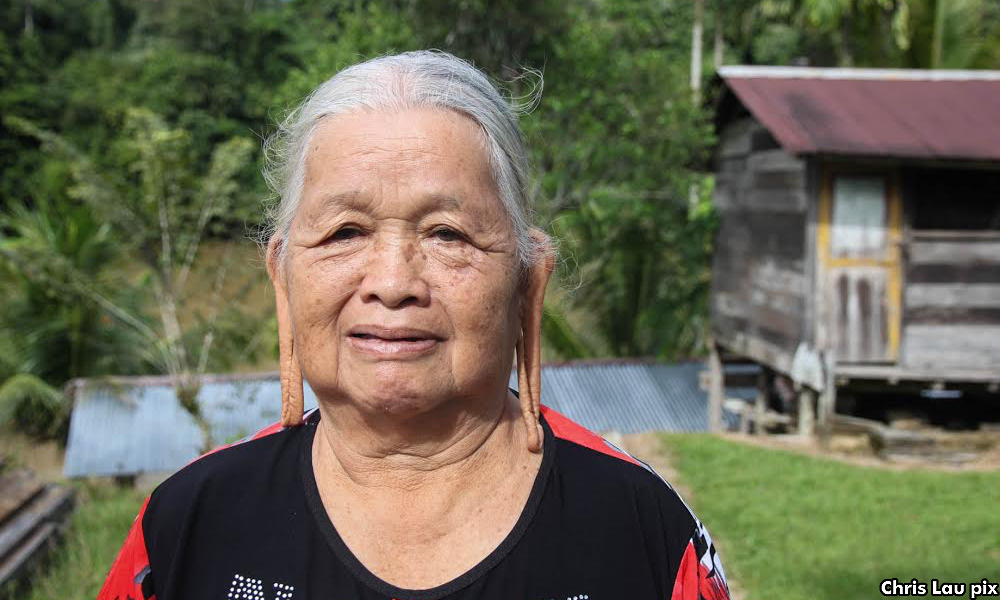
FOCUS It was 15 years ago when Dau Labung, a Penan woman, met her husband from Long Na’ah, a village next to hers. The interracial marriage went smoothly.
Dau was young back then, her smoky black eyes sparkling in the dark. They are soft and muted, sultry and dark.
She was waiting for a car in the middle of a road in a sunny afternoon. A Kayan young man, who would later become Dau’s husband, drove in a truck heading towards her village. The young man gave Dau a lift.
FOCUS It was 15 years ago when Dau Labung, a Penan woman, met her husband from Long Na’ah, a village next to hers. The interracial marriage went smoothly.
Dau was young back then, her smoky black eyes sparkling in the dark. They are soft and muted, sultry and dark.
She was waiting for a car in the middle of a road in a sunny afternoon. A Kayan young man, who would later become Dau’s husband, drove in a truck heading towards her village. The young man gave Dau a lift.
Conversation was good. Shortly, the truck stopped in front of Dau’s village. Dau got down, shyly waved goodbye and walked home. In the next few days, the truck would unintentionally head towards Dau's village. One week later they got married.
Dau and her family are now staying in Long Keluan, a village next to Baram River. It is three hours away from Miri town. The couple has six children.
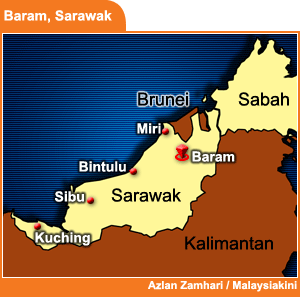
The eldest son Romaldo, 15 years old, was helping out his mum buy milk powder for the youngest sister when I first met him. Romaldo had to walk an hour from the village to a junction, and hitch a truck to reach the grocery shop in the other village.
“He waited for hours by the roadside but hardly got a ride. He then came back for lunch, and walked again to the roadside hoping to get a ride,” said Dau.
Timber in Baram had been harvested for more than half a century but a decent road has yet to be built for the natives.
In 2012, the plan to build the 1,200MW Baram Dam began to take shape after the completion of the Murum Dam. The Baram Dam could flood an area measuring 388 sq km.
According to International Rivers – non-profit, non-governmental, environmental and human rights organisation based in the United States – more than 20,000 indigenous people living in more than 26 villages will be affected if the plan goes ahead.
The government-owned Sarawak Energy Berhad (SEB) had said the development of the Baram Hypro-Electric Project could “spur the overall development of Baram with a focal administrative township of Bandar Baru Telang Usan”.
 On the other side in Bakum, the community composed of Kenyah, Kayan and Penan is still struggling to live after its resettlement due to the construction of 2,400MW mega Bakun Dam.
If construction of the Baram Dam goes as planned, the lands and culture of the ethnic groups will be destroyed when the area is flooded.
All the memories will be gone. The land where the locals hunt, fish and collect forest produce will soon be submerged.
“You give the villagers RM100, they can spend the money for a month there. Buy some salt and Ajinamoto; they can get the other ingredients in the forest,” said Peter Kallang, chairperson of SAVE Rivers.
Sacked for opposing dam project
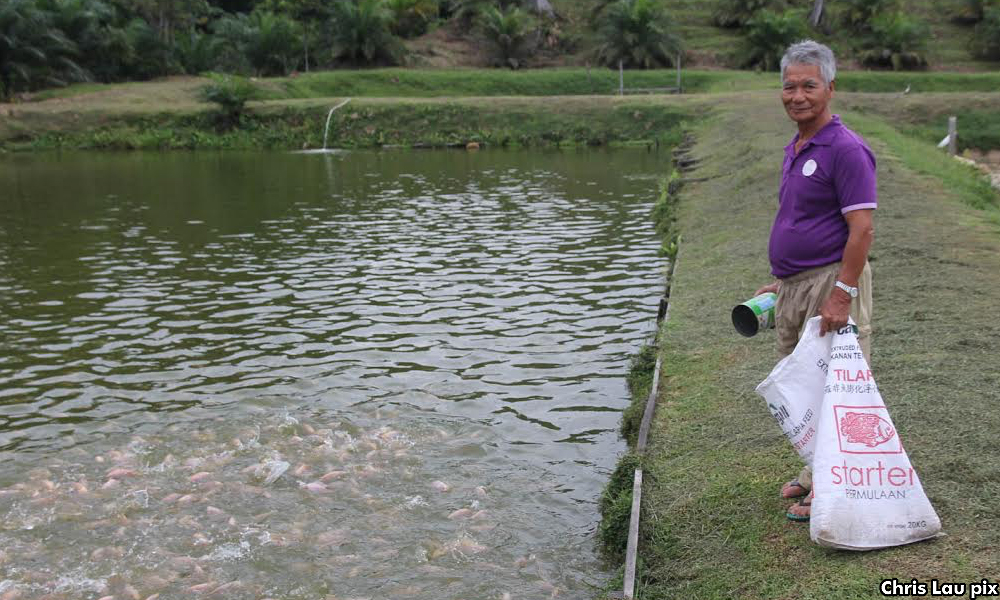
Jimmy Gau Juman ( photo ) was the headman of Long San, another Kenyah village in Baram, before he was sacked in April 2015 because he opposed the dam project. He is the son of a former headman and is well accepted by the villagers.
“Telang Usan assemblyman Dennis Ngau called me for meeting. He informed me that he has decided to change the longhouse headman,” said Gua. “I was told that I had served long enough. I was appointed the headman in 2009.”
He was sacked by the government without a letter of appreciation, and later a woman, who supported the contruction of the dam, took over his post.
In Kenyah and Kayan’s tradition, the village headman is usually appointed by his own people, based on the leadership qualities of the person. Succession was straight-forward back then.
Usually the eldest son will take over if he has the same leadership qualities as his father, and has gained the trust of his community. Or else, the post will go to a younger sibling or next of kin.
But things are no longer the same these days. The longhouse headmen are told “not to act as if they were the elected people’s representative”.
Samariang assemblyperson Sharifah Hasidah Sayeed Aman Ghazali once said “they (longhouse headmen) have to support the government of the day regardless of their personal views”.
With the passage of the Community Chiefs and Headmen Ordinance 2004, the state secretariat office has the final say on the village chiefs. They hardly represent the particular community since not everyone is the popular choice of the villagers.
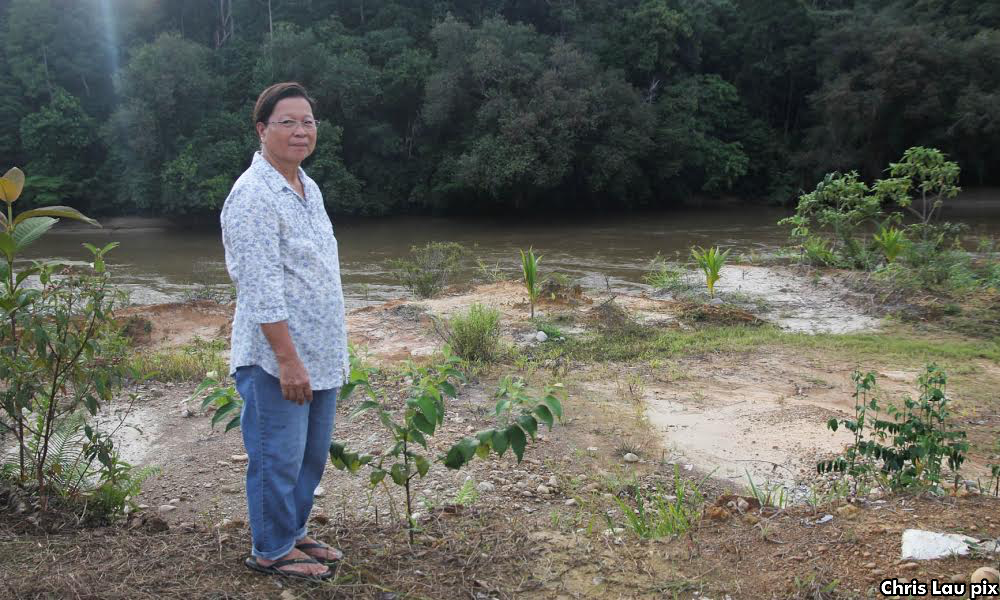 I met another old woman, Mary Bulan Usang (
photo
), who spent sleepless night thinking about how her land will soon be flooded. It was just a few days before Christmas.
I met another old woman, Mary Bulan Usang (
photo
), who spent sleepless night thinking about how her land will soon be flooded. It was just a few days before Christmas.
“Our family has been living here for centuries. My father was a headman in the village; our grandparents had been living here too,” she said. “I don’t want the dam. We don’t need it. We have our land, everything in the forest and river is more than enough for us.”
Mary Bulan's village, Tanjung Tepalit, is a five-hour drive from Miri. Back in the old days, it took two to three days to travel all the way to Miri. Baram River was the only way the Orang Ulu travel back then. They made all their boats themselves.
Then roads to transport logs were built two decades ago, but the bumpy roads were meant mainly for four-wheel drive vehicles.
“When the river is at low level, we will have to get down and pull the boat,” said Mary Bulan.
As an elder Kenyah woman, she had the traditional long ears back then, but had cut off the lobes since she started her life in Miri. These days Dayak womenfolk would deliberately cut off their long earlobes for fear of being out of date.
Elongated ear is just one tradition of decorating the body. The tradition of other Dayak tribe is to tattoo their body and put gold teeth. However, only the tattoo still survives despite the loss of its spiritual meaning.
Memories will be drowned
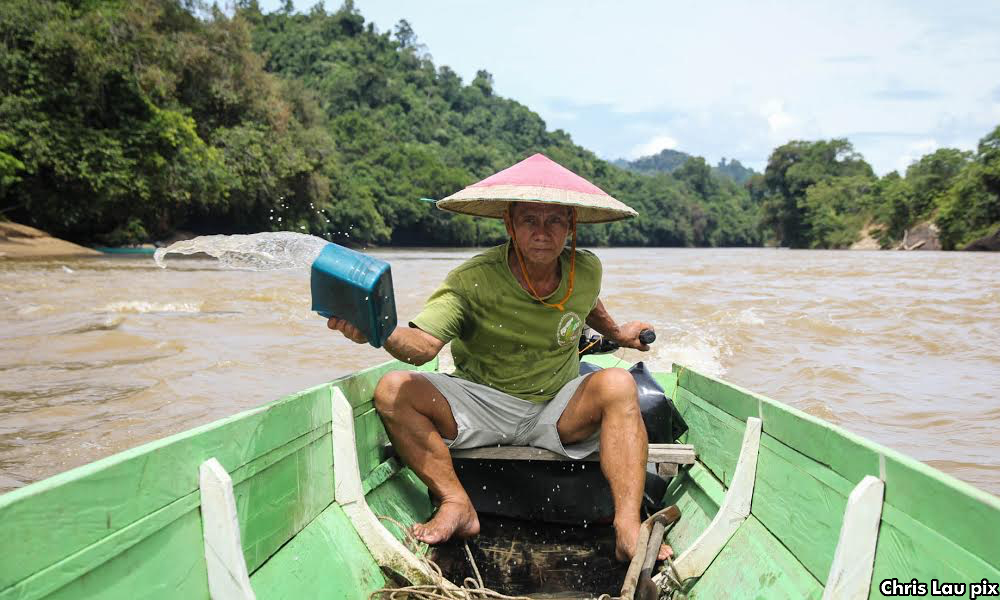
Despite the risk of being displaced if construction of the Baram Dam takes off, Mary Bulan's family built a new longhouse in the village.
“There are a few villagers who do support the dam project. They believe in the compensation given by the government,” she said. In fact, many villages in Baram are divided in their opinion over the dam project.
I joined Romaldo for a bath in a stream which flows into the Baram River. It was late afternoon. He was with his cousins visiting their ancestors’ grave. The children had some fun smacking down each other in the river.
Penan men hunt for a living, and they have been doing since young. So it is with Romaldo. He had managed to hunt a few wild boars and monkeys some time ago. But the good hunter has a different dream.
“I want to become a football player one day,” he said.

Romaldo ( photo ) likes his girlfriend Siti Nurhaliza. He had several photographs of her pasted at home. But Dau insists her boy must finish Form 5 before deciding his next move.
Their house is small and cramped, with four families sleeping in the same space. There are more than 20 people sleeping in the wooden house.
There are not many facilities in their land. They get their electricity supply from a generator, fish from the river and other foods from the forest.
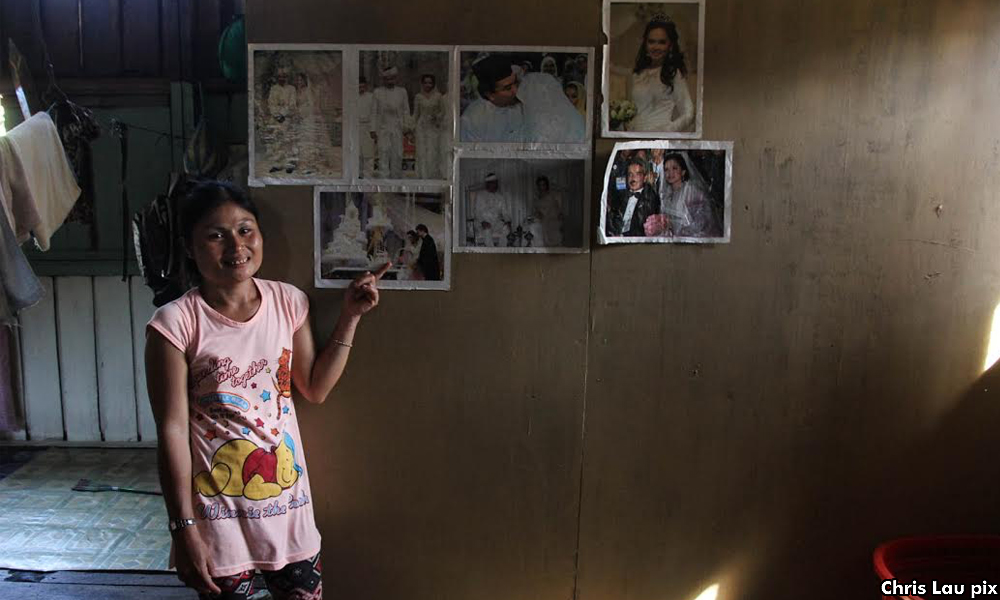 “Things won’t be same anymore (when the Baram Dam is built),” said Dau (
photo
). “The government promises to pay compensation of RM1.5 million but we doubt it. We are happy here. But if the dam is built, everything will be drowned. Our land, our ancestors’ graves and our memories. They will all be gone.”
“Things won’t be same anymore (when the Baram Dam is built),” said Dau (
photo
). “The government promises to pay compensation of RM1.5 million but we doubt it. We are happy here. But if the dam is built, everything will be drowned. Our land, our ancestors’ graves and our memories. They will all be gone.”
In November 2015, Sarawak Chief Minister Adenan Satem announced that the Baram Dam would be put on hold for now. The decision is believed to be one of his moves before Sarawak state election.
But the villagers fear the project will proceed after the election.
CHRIS LAU is a freelance journalist.


Are you sure you want to delete this comment?
This action cannot be undone.