




Flashback 2007 - a watershed for Malaysian politics
SPECIAL REPORT | Where were you, 10 years ago?
In 2007, three major socio-political movements swept through the nation: the first Bersih march, the Hindu Rights Action Force (Hindraf) rally and the Malaysian Bar's "Walk for Justice".
For the country, this sparked a new political awakening. For the many participants, it transformed the course of their lives.
Malaysiakini interviewed 10 individuals as we looked back at the past decade of socio-political movements. In this part, five of them reveal their first-hand accounts and in the final part tomorrow, another five will share their experiences.
A timeline of the events can be viewed here.
1. K Balakrishnan (59, Hindraf)
2007: Retired as a soldier.
2017: Former Hindraf committee member, lorry business owner and Kampung Ladang Bukit Jalil Residents action committee member.
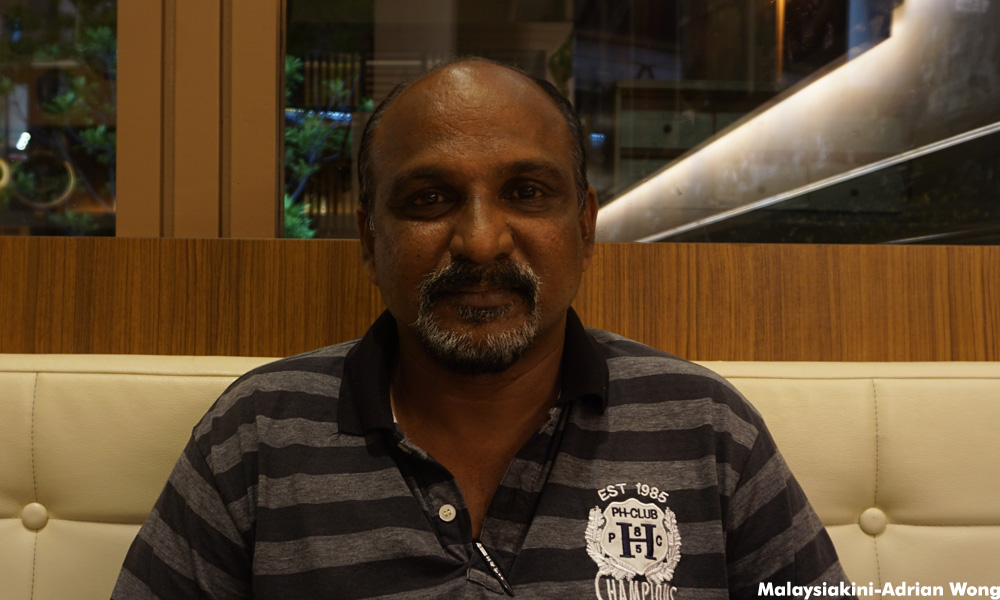
In 2007, a Hindraf briefing session set in motion a series of events that would shape Balakrishnan’s next decade: he participated in activities organised by the movement across the country, braved tear gas attacks and attended gatherings of varying sizes. The 59-year-old eventually left Hindraf after a disagreement with its leadership and has since become an active participant in civil society groups.
What inspired you to participate in the movement?
Two weeks before Merdeka Day in 2007, I received a letter saying Hindraf would be holding a briefing session at the Kuala Lumpur and Selangor Chinese Assembly Hall (KLSCAH). At the session, they showed slides of Hindu temples being destroyed, people forcefully evicted from their homes, and Indians born and bred in this land who were denied identification cards. It broke my heart.
In my life, I had served the nation in the army. I was appalled that the Indians here were being denied their rights. I decided then that I would fight for our rights.
What do you remember about the Hindraf rally?
The day before the rally, there were roadblocks all over Kuala Lumpur; no one was able to enter the city.
At the time, I was driving from Batu Caves to my home in Puchong. We saw the Federal Reserve Unit (FRU) heading towards Batu Caves. Once I got home, I received a phone call saying that the FRU had arrived at Batu Caves, so I drove to the Ampang Point mall.
It was 1am but about 500 people were already there. Some of them had come from Penang and Kedah. The city was usually quiet at this time.
At 7.50am, the FRU started firing tear gas at the people gathered at Ampang Point. All of us were hit. I used to be a soldier, but I had never been a protester before. I was so afraid and confused, I could not breathe.
I tried to escape the gas. Next, all of us ran towards the Petronas Twin Towers, but there was a wired fence in front of the towers. To avoid blocking traffic, we just sat on the ground. The FRU failed to contain us, once a group of protesters dispersed, another group would appear.
We were strangers but everybody helped one another. When the tear gas was being fired, people who had salt with them offered it to the other protesters. Some used traffic cones to cover up the tear gas canisters from hurting others.
The FRU did not fire tear gas into the sky (as they were supposed to) but were firing directly at the protesters. They kept firing until noon.
I asked the people around me why they decided to come to the rally, and everyone said: “Every time we visit a government office to bring forth our requests, we would get rejected. This time, the people are highlighting these issues. We think it’s best that we follow suit (and be heard)."
Al Jazeera was on the scene to interview protesters, who were fuming with anger by this time. All we wanted to do was present our memorandum. We are not foreigners (we are Malaysian citizens), why did they treat us like this?
If the authorities had not fired tear gas at us, and had instead invited Hindraf representatives to peacefully hand over the memorandum, this situation would not have got out of hand. Even the United Kingdom Embassy was ready to accept our memorandum.
We had no idea there would be such suppression. We only intended to gather in order to hand over our memorandum. Most of us were Indians, and even some MIC members were there.
Current state of democracy
Whether it was the Bersih 1, Bersih 2 or Hindraf, when the authorities fired tear gas, the protesters would not run away but would instead tear up some cloth (to cover their eyes) and stay to resist.
Today, we have seen how people enjoy participating in rallies like Bersih 3, 4 and 5. Even the government now realises people will just go home after shouting slogans at the rallies.
These rallies are platforms to highlight our rights. It’s good that people now know what it’s like to be part of a rally. If we want change, the people need to come together. Where do you think the 2008 change came from? It came from the people standing up to demand change.
When I was in the army, I knew nothing about this. But when I started participating in civil society groups, I finally understood why it was important that groups like these fight for the people. Though I have left Hindraf, I now take part in various human rights movements.
2. Yap Swee Seng (51, Bersih)
2007: Suaram executive director.
2017: Freelancer.
A social movement veteran, Yap has been a human rights activist for almost 30 years. Having served as CEO at the Asian Forum for Human Rights and Development (Forum-Asia), an organisation with a regional secretariat in Thailand, the activist’s global exposure enabled him to explore new ways to improve Malaysia’s human rights standards...
SPECIAL REPORT | Where were you, 10 years ago?
In 2007, three major socio-political movements swept through the nation: the first Bersih march, the Hindu Rights Action Force (Hindraf) rally and the Malaysian Bar's "Walk for Justice".
For the country, this sparked a new political awakening. For the many participants, it transformed the course of their lives.
Malaysiakini interviewed 10 individuals as we look back at the past decade of socio-political movements. In this part, five of them reveal their first-hand accounts and in the final part tomorrow, another five will share their experiences.
A timeline of the events can be viewed here.
1. K Balakrishnan (59, Hindraf)
2007: Retired as a soldier.
2017: Former Hindraf committee member, lorry business owner and Kampung Ladang Bukit Jalil Residents action committee member.
In 2007, a Hindraf briefing session set in motion a series of events that would shape Balakrishnan’s next decade: he participated in activities organised by the movement across the country, braved tear gas attacks and attended gatherings of varying sizes. The 59-year-old eventually left Hindraf after a disagreement with its leadership and has since become an active participant in civil society groups.
What inspired you to participate in the movement?
Two weeks before Merdeka Day in 2007, I received a letter saying Hindraf would be holding a briefing session at the Kuala Lumpur and Selangor Chinese Assembly Hall (KLSCAH). At the session, they showed slides of Hindu temples being destroyed, people forcefully evicted from their homes, and Indians born and bred in this land who were denied identification cards. It broke my heart.
In my life, I had served the nation in the army. I was appalled that the Indians here were being denied their rights. I decided then that I would fight for our rights.
What do you remember about the Hindraf rally?
The day before the rally, there were roadblocks all over Kuala Lumpur; no one was able to enter the city.
At the time, I was driving from Batu Caves to my home in Puchong. We saw the Federal Reserve Unit (FRU) heading towards Batu Caves. Once I got home, I received a phone call saying that the FRU had arrived at Batu Caves, so I drove to the Ampang Point mall.
It was 1am but about 500 people were already there. Some of them had come from Penang and Kedah. The city was usually quiet at this time.
At 7.50am, the FRU started firing tear gas at the people gathered at Ampang Point. All of us were hit. I used to be a soldier, but I had never been a protester before. I was so afraid and confused, I could not breathe.
I tried to escape the gas. Next, all of us ran towards the Petronas Twin Towers, but there was a wired fence in front of the towers. To avoid blocking traffic, we just sat on the ground. The FRU failed to contain us, once a group of protesters dispersed, another group would appear.
We were strangers but everybody helped one another. When the tear gas was being fired, people who had salt with them offered it to the other protesters. Some used traffic cones to cover up the tear gas canisters from hurting others.
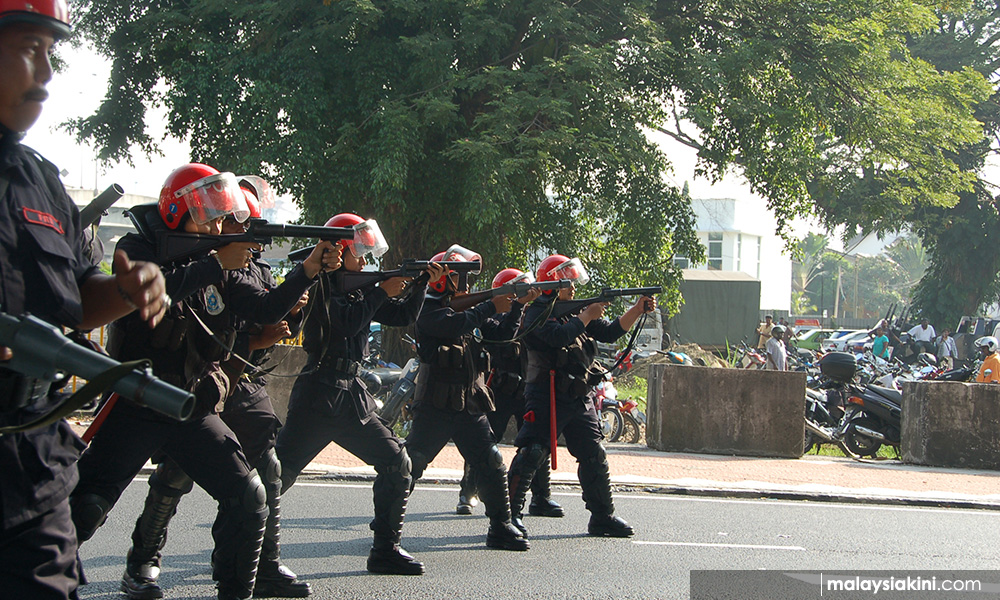
The FRU did not fire tear gas into the sky (as they were supposed to) but were firing directly at the protesters. They kept firing until noon.
I asked the people around me why they decided to come to the rally, and everyone said: “Every time we visit a government office to bring forth our requests, we would get rejected. This time, the people are highlighting these issues. We think it’s best that we follow suit (and be heard)."
Al Jazeera was on the scene to interview protesters, who were fuming with anger by this time. All we wanted to do was present our memorandum. We are not foreigners (we are Malaysian citizens), why did they treat us like this?
If the authorities had not fired tear gas at us, and had instead invited Hindraf representatives to peacefully hand over the memorandum, this situation would not have got out of hand. Even the United Kingdom Embassy was ready to accept our memorandum.
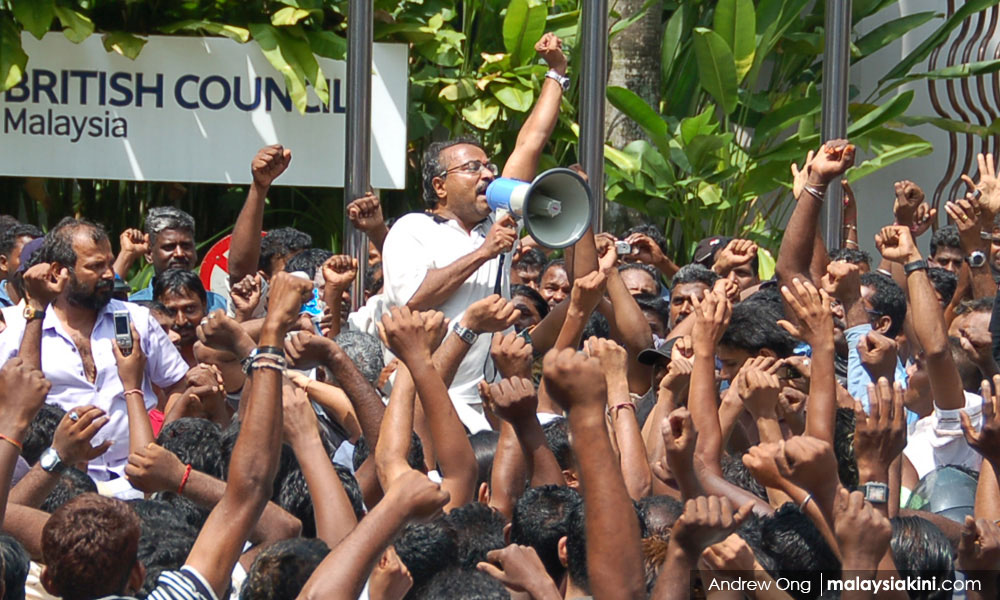
We had no idea there would be such suppression. We only intended to gather in order to hand over our memorandum. Most of us were Indians, and even some MIC members were there.
Current state of democracy
Whether it was the Bersih 1, Bersih 2 or Hindraf, when the authorities fired tear gas, the protesters would not run away but would instead tear up some cloth (to cover their eyes) and stay to resist.
Today, we have seen how people enjoy participating in rallies like Bersih 3, 4 and 5. Even the government now realises people will just go home after shouting slogans at the rallies.
These rallies are platforms to highlight our rights. It’s good that people now know what it’s like to be part of a rally. If we want change, the people need to come together. Where do you think the 2008 change came from? It came from the people standing up to demand change.
When I was in the army, I knew nothing about this. But when I started participating in civil society groups, I finally understood why it was important that groups like these fight for the people. Though I have left Hindraf, I now take part in various human rights movements.
2. Yap Swee Seng (51, Bersih)
2007: Suaram executive director.
2017: Freelancer.
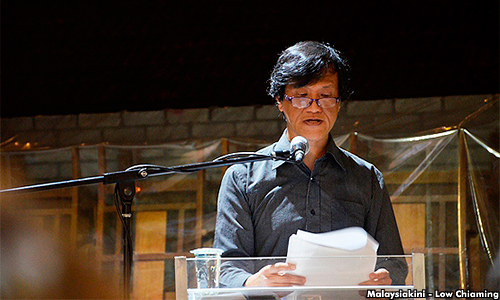
A social movement veteran, Yap has been a human rights activist for almost 30 years. Having served as the CEO at Asian Forum for Human Rights and Development (Forum-Asia), an organisation with a regional secretariat in Thailand, the activist’s global exposure enabled him to explore new ways to improve Malaysia’s human rights standards.
According to Yap, the people of Malaysia are playing "passive roles" by fully entrusting political parties with the responsibility to solve their problems.
What drove you to participate in the movement?
Back then, I was the Suaram director. We would send members to observe demonstrations. I fully support demonstrations as we (Suaram) advocate freedom of demonstration.
When Abdullah Ahmad Badawi became the prime minister, the opposition parties faced a disastrous election, with PKR winning only one seat. This resulted in the opposition parties discussing the possibility to collaborate on matters regarding general elections.
During the anti-ISA movement, many opposition party members were jailed. At that time, some NGOs had already started collaborating with the opposition parties. As such, when the opposition parties were discussing plans to form Bersih, they naturally reached out to the NGOs for collaborations.
After the 1998 Reformasi movement, the people realised the opposition parties were not united, which made resisting BN a hard move. These people started to realise that the problems in our electoral system needed to be addressed.
We spent a few months promoting and preparing for Bersih and finally announced its formation at Parliament.
What do you remember about the Bersih rally?
Towards the end of the 1998 Reformasi movement, people were being suppressed and there were only hundreds of attendees at the demonstrations. So, it was beyond our expectations to see such a huge turnout at Bersih, thanks to the PAS members’ support. Even the police did not know how to react to the situation as we outnumbered them.
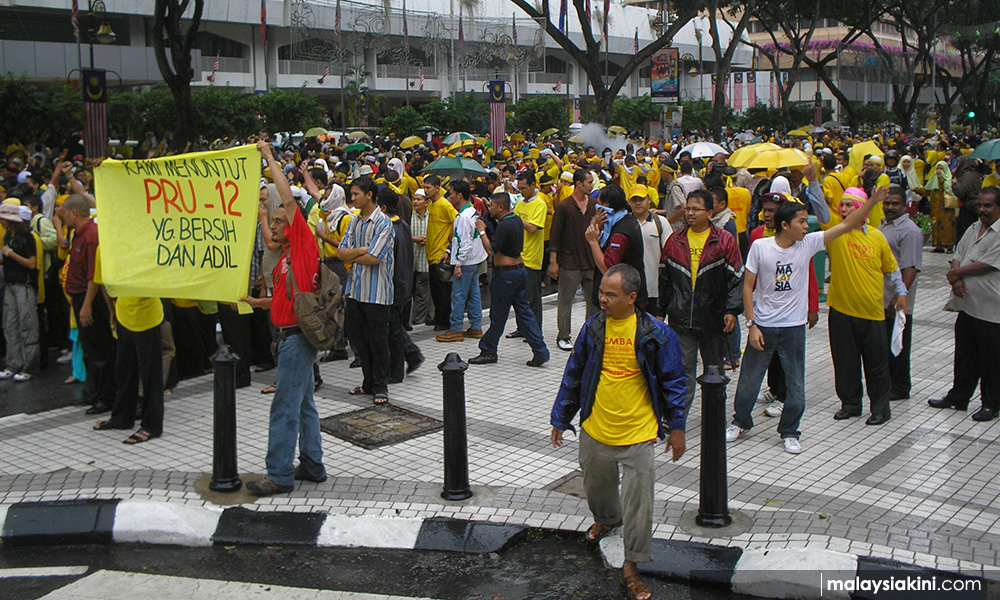
The 1998 Reformasi marked a watershed in the Malay political landscape. It had a ripple effect on Bersih, resulting in Bersih comprising many Malay demonstrators. I was very touched by this rally, as this was the first ever rally where the number of demonstrators even caught the government by surprise.
The Reformasi demonstrations were unorganised; there were no negotiators and security controls. At that time, we only had emails as Facebook and Twitter were non-existent. There were cat-and-mouse situations: once the police started to fire water cannons at the crowd, the demonstrators dispersed, but they would regather later. The police were tired, as they did not know when this would end.
The government often suppressed such demonstrations, saying that they caused chaos. However, during the Bersih rally, the organising committee managed to control the crowd and traffic, which left the police with no excuses to suppress the event. This helped to establish a proper way to conduct a demonstration, which was different from the 1998 Reformasi.
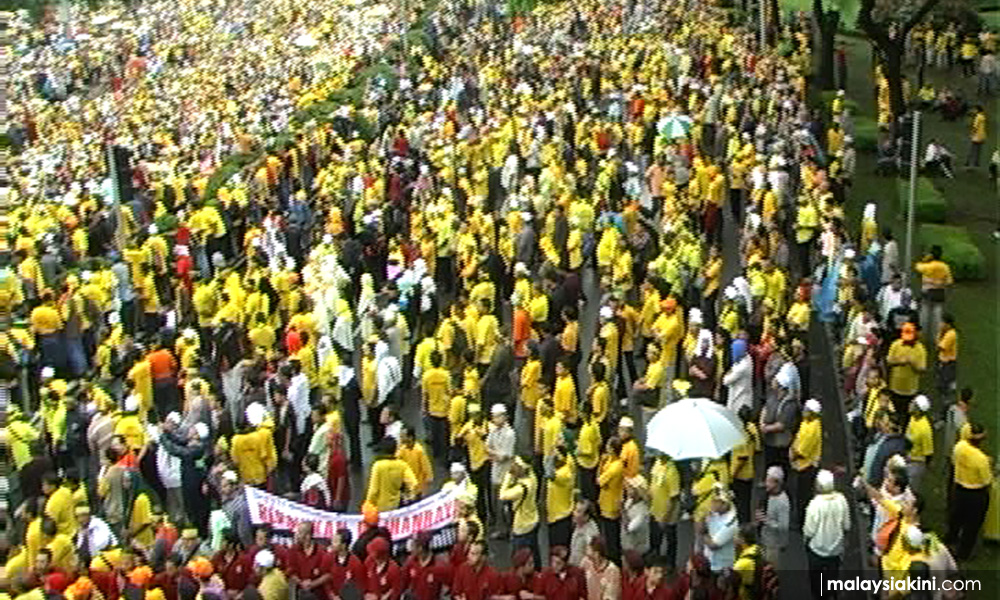
At first, we planned to gather at Dataran Merdeka, but we later decided to gather at the Istana Negara (then at Jalan Istana) instead. The police did not expect this and were unsure of how to respond. The entire rally happened in an orderly manner, with everyone taking every aspect of the event seriously. Unit Amal (PAS’ voluntary group) also contributed to the success of this rally.
The exceptional thing about this rally was the Malay participation. This rally proved that collaborations between opposition parties and NGOs were possible.
Current state of democracy
In 2009, I saw a bright future for social movements. The anti-ISA movement was also getting stronger and there were even people rallying outside the Kamunting Detention Centre. As I felt that the Malaysian NGOs were on track, I left KL and went to Bangkok to try and get support from international human rights organisations.
In 2013, I returned to Malaysia as I felt that international human rights work had little impact on the situation here. At that time, many organisations were established - including the Sunflower Movement, Kill the Bill, Mamas Bersih and others. There were a lot of new faces, issues and organisations. The people also started to discuss politics. This was very different from the past.
Having a general election once every five years does not reflect a true, matured democracy. In Malaysia, the people play passive roles. They fully entrust political parties with the responsibility to solve their problems. This is not a matured democracy, and yet this is exactly what is currently happening in Malaysia.
Malaysians need to have awareness and be bold enough to speak out on different issues (regarding their country). They need to grab any opportunity that could influence the decision-making process.
Now, the relationship between the civil society and political parties is uncertain. Bersih did not handle many situations well, which sacrificed the independence of civil society. These NGOs did not criticise the opposition parties for their mistakes while the opposition parties did not support the NGOs’ petitions.
Social movements should remain independent and have a clear agenda before they lobby for support. Although support from political parties is important, they need to build up their own support base among the people.
Looking back from 2007 until the present, several different stages can be observed. The first Bersih was a political movement, Bersih 2 and 3 were still dependent on political parties, while Bersih 4 and 5 no longer featured PAS’ participation. The civil society had managed to establish its own volunteer teams, activities and independently organised large-scale demonstrations.
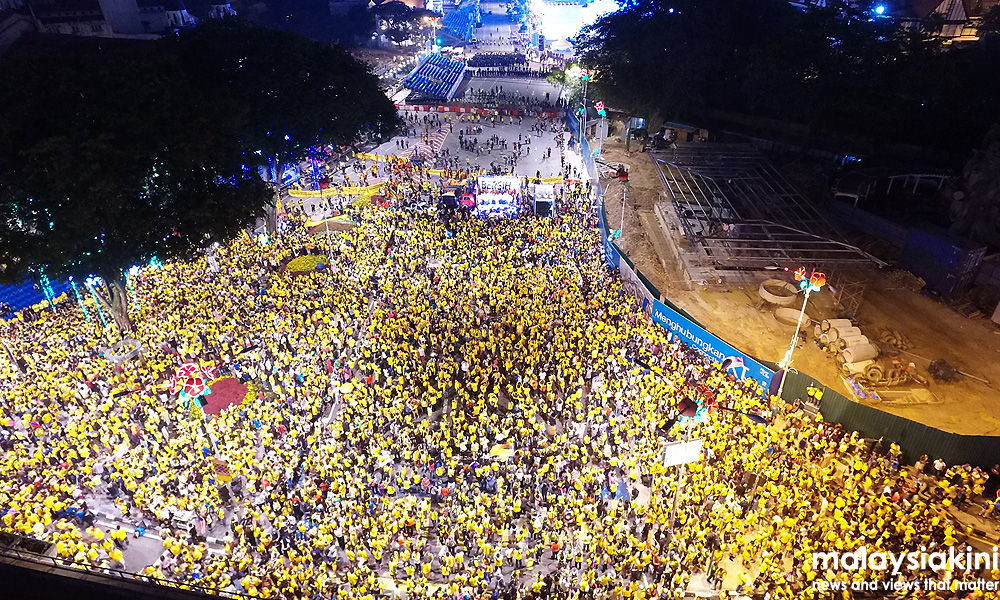
Religious and racial issues have not only divided the opposition parties; they have also divided the citizens and NGOs. Political parties have too many interests and votes to consider. In comparison, civil rights movements are better conditioned to handle these problems and should continue to provide civic education.
Compared to many other countries, our civil rights movements are still very weak. They don’t have a strong support base among the community and merely rely on NGO members. To resolve community problems, civil rights movements should interact directly with the community.
Issues such as drainage, street lights, recycling and similar matters are intertwined with the people’s lives. These matters are a concern to everyone, regardless of religion and race.
Community members would also get to know each other better when they involve themselves in these issues. This is in contrast with them getting involved in issues where they can’t play an effective role - such as the 1MDB discussion. These matters are disconnected from their everyday lives.
Voting once every five years lacks a sense of participation. But participating in community activities would help realise the people’s potential. As such, the progression towards a more democratic country could start with small-scale community building.
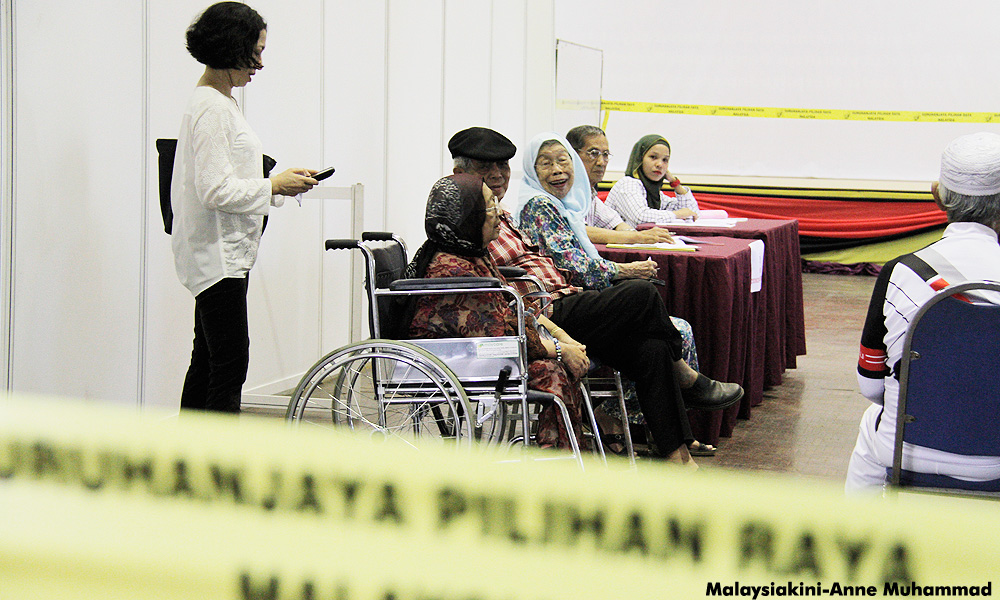
These enable the people to understand their local government’s responsibilities, solve state matters and finally play an effective role in addressing national issues.
To date, NGO movements are still very weak in this aspect, with most of the work being concentrated in big cities. It is also almost impossible to promote such educational aspirations to people in rural areas.
If the people wish to play a part in their community, giving pressure to the local government is one way to solve many of the community’s problems. If this spreads and happens in many different communities, it will create a strong support base for the NGOs.
These organisations would then be in a better position to present petitions to the ruling parties and show support to those who can meet their expectations.
3. Gan Pei Nei (36, Bersih and Walk for Justice)
2007: Tian Chua’s aide.
2017: PKR Rawang assemblyperson.
Gan became PKR vice-president Tian Chua’s aide right after graduation and rode the waves of the country’s political tsunami. The 36-year-old is now the Rawang assemblyperson and was one of the movers in the "political tsunami'.
What inspired you to participate in the movements?
In 2004, elections were called soon after I graduated from Universiti Sains Malaysia (USM). Tian Chua was contesting in the Batu parliamentary seat (under PKR), and our student movement, Malaysia Youth & Students Democratic Movement (Dema), was trying to support the growth of multi-racial politics. So I became his aide.
The prime minister then was Abdullah Ahmad Badawi. His nickname was Mr Clean. But when the VK Lingam video clips were released and they revealed the fraud within the judiciary, we were so shocked and angry because we realised the court had failed in its role as a place for justice. When the Malaysian Bar announced the "Walk for Justice", I felt I needed to go.
Bersih was led by many opposition leaders. All of us felt that with the (general) election looming, we needed to fix the electoral system before it was called. The party (PKR) had begun to mobilise several months before the rally - to gather as many participants as we could.
Prior to this, I had intermittently attended rallies to protest against rising oil prices and the second gulf war. We had gathered outside the US Embassy to protest the Iraq war when we saw the FRU. That was the first time in my life I experienced the tear gas. Together with our student leaders and friends, we ran (for cover).

What do you remember about the rallies?
Walk for Justice
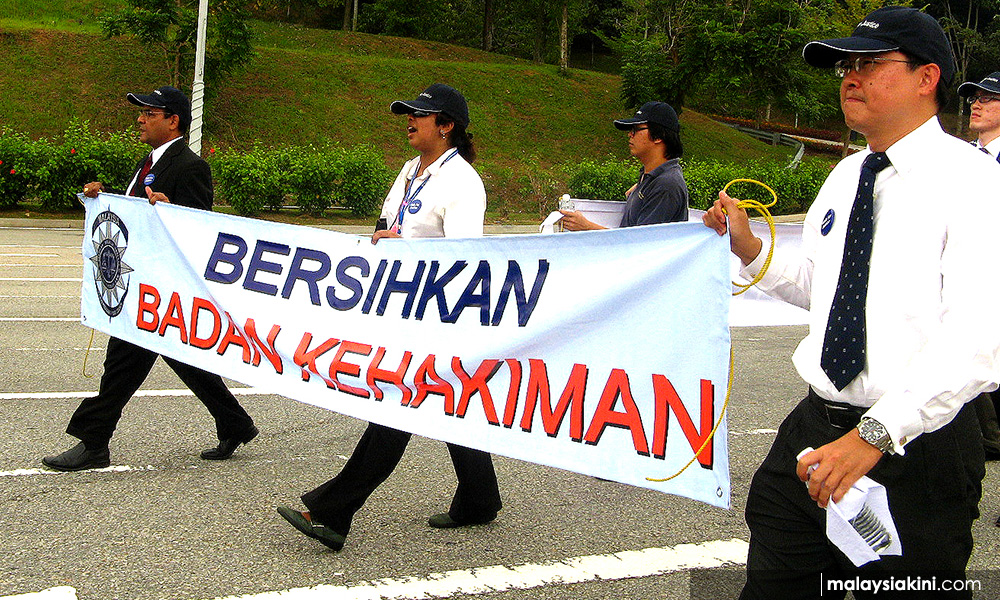
We were used to holding up banners at rallies. But this time, the lawyers said they wanted to stand at the front lines and hold up their own banners - to show the public it was the Bar that was leading the protest. We felt this was a historical milestone. Lawyers are usually seen in court; they are rarely seen protesting in the streets.
We usually wear simple T-shirts to rallies. But we were marching with lawyers on that day, and despite the hot weather, they had come dressed in their legal robes.
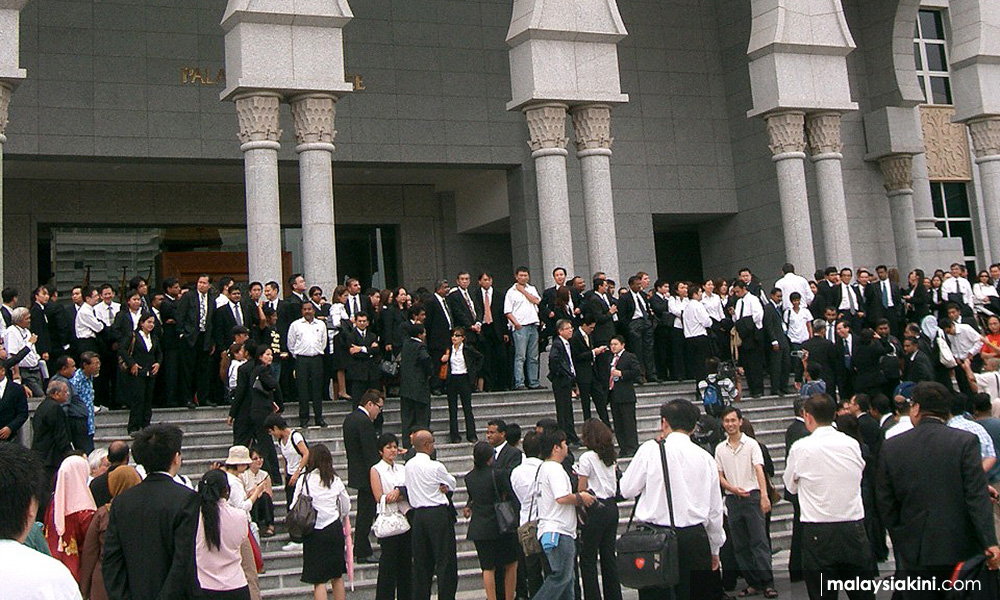
Up till then, I had never seen so many lawyers gathered together. Ambiga Sreenevasan, who was leading it, had shouted “when lawyers walk, something must be very wrong”. Lawyers usually protest in a different way, using their own platforms. They rarely speak out against the prime minister.
Many people predicted that they would be silent, but when the lawyers took to the streets, it really opened our eyes. During this rally, the atmosphere was very different: there were so many lawyers there. So if anything happened, the lawyers would be able to help protect us. Unlike the Bersih rally, there were no FRU or police officers on the scene.
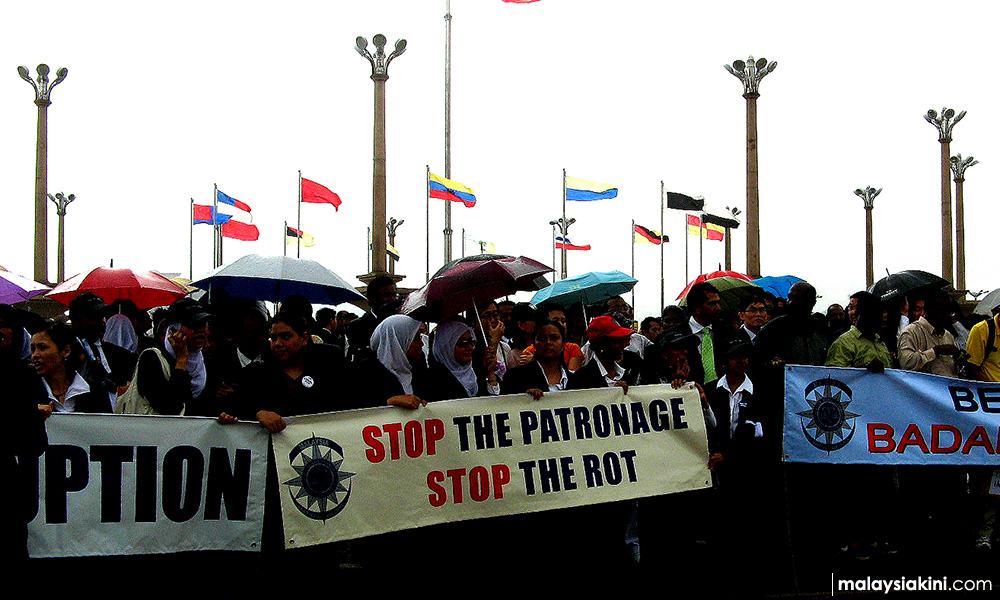
Usually, the same few people would attend the rallies we had organised (as students) against rising oil prices. But at the "Walk for Justice", people from all walks of life participated.
Bersih
When we were mobilising, our target for the rally was between 10,000 and 20,000 participants. The actual number was way beyond our expectations.
At the time, it was hard for rural folk to attend the rally. They had to take buses and make lots of preparations. On the night before the rally, they had arrived from Kelantan and other places.
On the day of the rally, I was with some opposition and civil society people when we saw that many Malays had come. PAS had mobilised a lot of people and that’s why there were so many Malay participants.
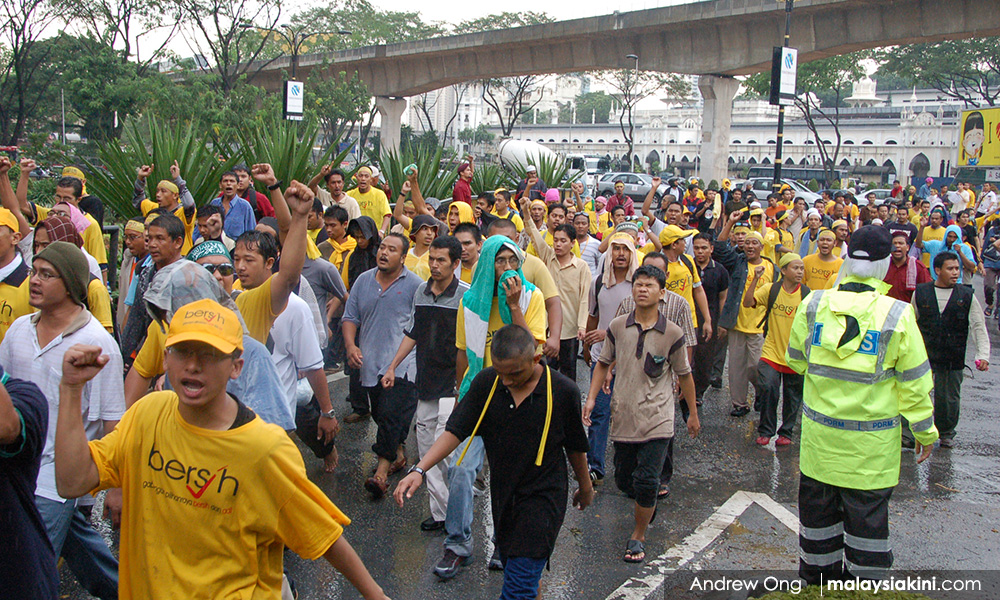
It was drizzling all the way when we walked from Stadium Merdeka to the palace, but we remained passionate even though we were drenched. The FRU had blocked the way but we were determined to make it to our destination.
We had no idea how many people would show up. We didn’t know if people from other parts of the city were making their way there. But once we got there, we saw thousands and thousands of people. It was really inspiring.
Young ones like us locked arms and shouted slogans about the change we wanted for Malaysia. It felt good. We shouted “bersih” (clean), “pilihanraya bersih” (clean elections), and of course “reformasi” (reform). We shouted until we were out of energy and then we let the others carry on - to sustain the crowd’s morale.
My boss at the time, Tian Chua, would get arrested at every rally. This made my family worry about my personal safety. Getting arrested was one thing, landing in jail was another - it would have affected me for life.
I told my family that I was not the only person at the rally. Many of my friends were also going. My family was less worried after knowing that, plus they saw how determined I was. They knew they couldn’t do anything to stop me. Eventually, even my younger brother came along and helped spread the news about Bersih.
Current state of democracy
Every change we have seen in the past 10 years - especially those in the 2008 general election - was the result of all the struggles civil society groups went through in the past. The most important thing is to continue doing grassroots level work.
After each rally, everybody gets so enthusiastic and hopes for a bigger crowd in the next rally, and then goes back to their respective life. We need to seize the moment and mobilise protesters from among their respective communities - so they can become agents of reform and inspire even more people to participate in the next rally.
Bersih has done pretty well. We have seen protesters attending the NGO’s training classes and some of them have partnered with the opposition to become polling and counting agents (during elections). Some have also donated money. We need to mobilise protesters to prevent future rallies from being ineffective or having no direction.
Now, with social media, information can be communicated at a faster pace, especially in the urban areas. We now have more creative and diverse ways to mobilise the people. In recent years, we have seen groups with different objectives emerging, calling for their own rallies - like the Himpunan Hijau coalition. This is a good sign.
For a democratic society to flourish, we need dynamic, vibrant NGOs. In the past, we rarely see the participation of indigenous people in movements, but in recent years, they have done so.
4. Liew Chin Tong (40, Bersih and Walk for Justice)
2007: Bersih secretariat member and election strategist for the DAP secretary-general.
2017: Kluang MP and DAP political education director.
Growing up during the Reformasi era, Liew studied Islamic politics in Australia before joining the political arena as a young academic. He helped strategised DAP’s win in Penang in 2008 which saw the party capturing a majority in the state assembly. He was also a key strategist for DAP's successful move to expand its influence in Johor during the last general election.

What inspired you to participate in the movements?
In 1991, Dr Mahathir Mohamad announced Wawasan 2020. And right up till 2005, there was very little friction between the races in Malaysia. The economy was doing well, and Mahathir needed the Chinese votes.
When Mahathir needed enemies, he had the Jewish and the West. He didn’t need any imaginary foes within the country. At most, he appealed for the Sekolah Wawasan.
However, in July 2005, a fork in the road emerged for Malaysian politics. During the Umno general assembly, then Umno Youth chief Hishammuddin Hussein raised a keris (apparently) to lobby for the Malay agenda and push for a ramping up of the New Economic Policy (NEP). The year 2005 was a watershed moment.
While the Umno general assembly was taking place, 10 DAP, PKR and PAS representatives had gathered in Port Dickson for a secret meeting. The three-day meeting was held to devise a plan for the aftermath of the 2004 general election.
Abdullah Ahmad Badawi was prime minister and BN controlled 90 percent of the seats in Parliament. PKR retained just one seat. That was the opposition’s worst performance in an election. Thus, all three parties sat down to discuss their next move.
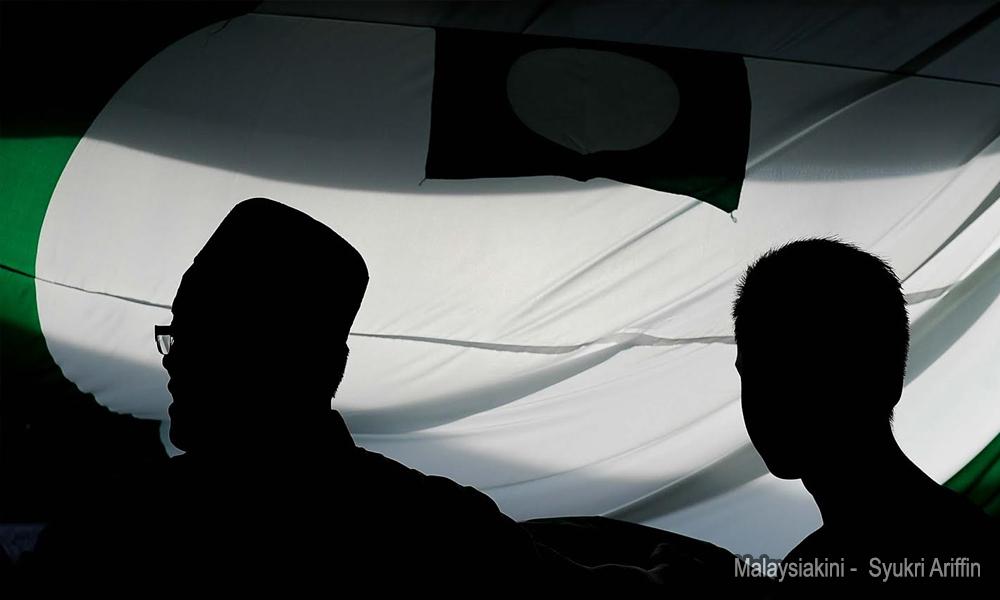
The 2004 election was disastrous for PAS as well, and the party decided it wanted to alter its image. It was really difficult for DAP and PAS to work together, especially at the start, but Bersih really helped. After every Bersih meeting, we would go out for supper together and discuss parliamentary seat allocations.
PKR’s Sivarasa Rasiah, DAP’s Teresa Kok and PAS’ Syed Azman Syed Ahmad Nawawi discussed ways to bring all the three parties together. They finally decided that we would work together under a common platform. At the time, DAP and PAS had already begun working together and Anwar had just been released from jail, but he was in the US.
In 2005, the opposition parties announced Bersih at Parliament, which was led by former MTUC president Syed Shahir Syed Mohamud. It marked the first time PAS and DAP were publicly and formally cooperating, setting the table for Pakatan Rakyat in future.
All three parties found common ground and we were able to attract people to our cause. During the 2007 Ijok by-election, we paid multiple visits to the Election Commission to present our demands but made little progress.
In the by-election, mounted police and soldiers patrolled the area - making it seem like we were in a war zone. However, everyone was determined to carry on with our common platform. After the by-election, we decided to hold the Bersih rally, at 3pm on Nov 10.
What do you remember about the rallies?
Walk for Justice
The lawyers were unhappy, and they had to protest. Many lawyers showed up, they made up at least half the rally.
Bersih
We had begun preparations for the rally in October. At the time our (Bersih secretariat) office was tasked with applying for a police permit, but in the end, the police rejected our application. We even printed one million flyers.
One of our secretaries observed that new pisang goreng and shoe-polishing stalls opening below our office premises, and we didn’t know if they were (surveillance crew) from the government. Two weeks before the rally, our office was shut down.
On the evening before the rally, which was also the last day of the 2007 Umno general assembly, Abdullah said in his speech that he “hated being challenged”. The atmosphere was very tense.
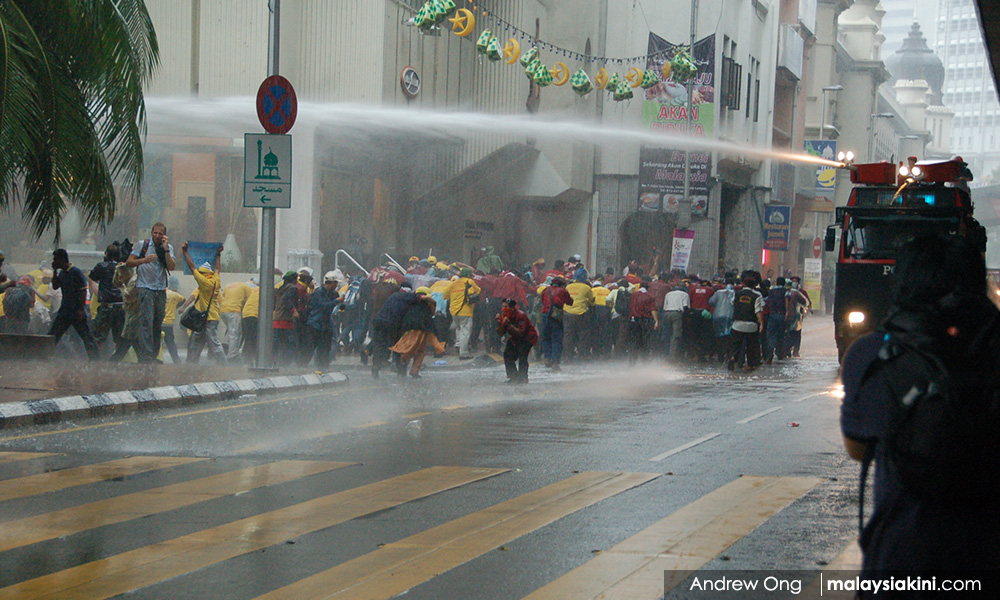
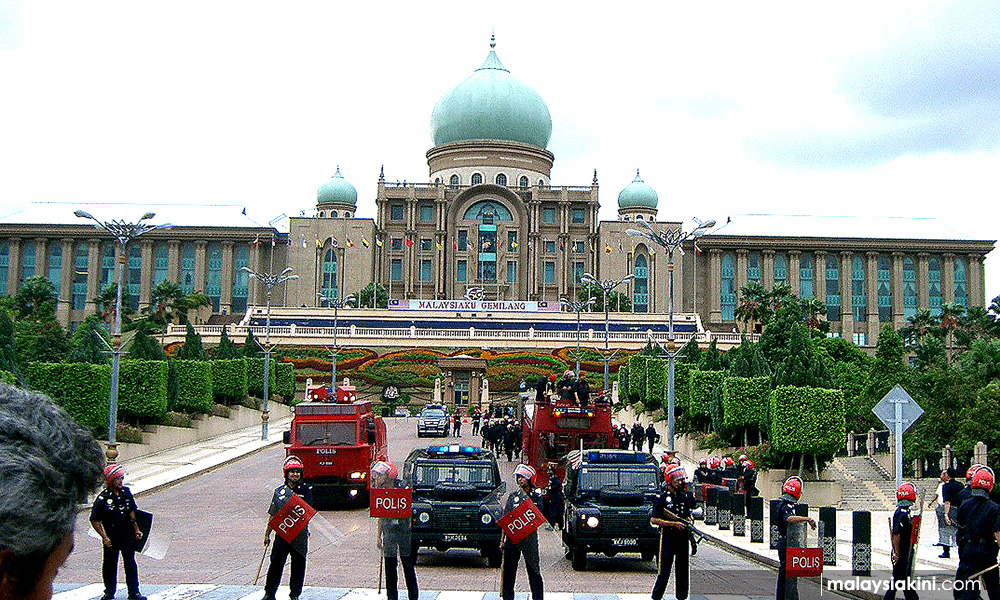
On Nov 10, the day of the rally, it had started to rain heavily, even before 2pm. I was at Central Market but shortly after that, PKR’s Johari Abdul called for the protesters at four gathering points to change direction and move towards the National Palace. At the time, about 3,000 police officers were stationed outside Dataran Merdeka.
The rain had stopped by the time I reached the palace, and only a single line of police officers was there. There were a few police cars and a few horses. Aside from the people trapped in Masjid Jamek, all the other protesters were there.
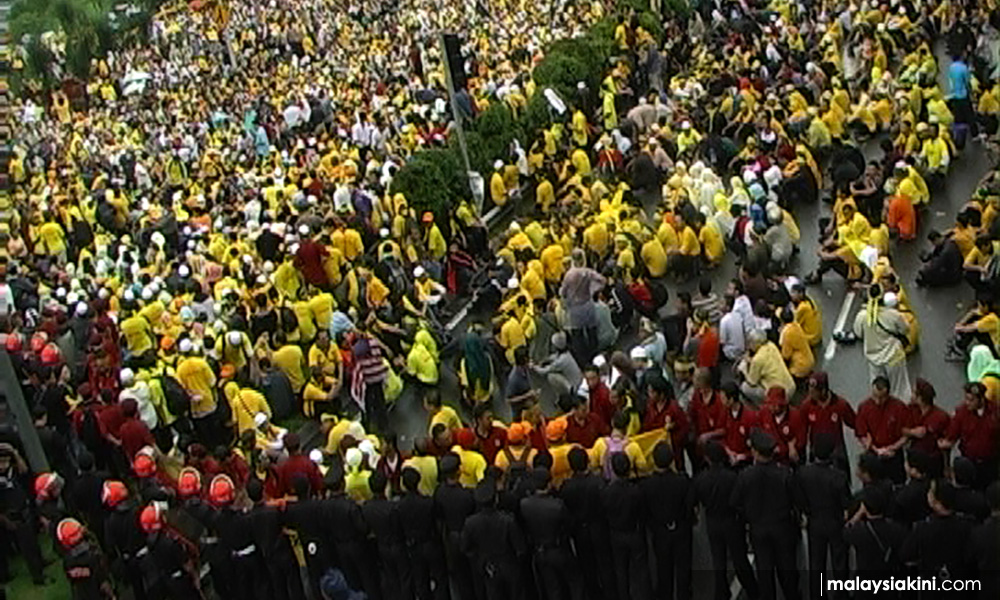
From 2000 to 2007, we had a few small, sporadic demonstrations but there had never been a rally of this scale. We had tens of thousands of people. When I turned back, I saw a sea of protesters. I was so touched.
Current state of democracy
I had decided very early on that I would take part in the 12th general election, so in truth, the Bersih rally did not affect me that much. But from 2005 to 2008, when it seemed almost impossible and our spirits were at the lowest, we put together this unofficial opposition coalition. This was a true miracle.
But the rally did bring many breakthroughs. We broke through the long lull in protests and we broke through in getting the government's attention. In 2006 and 2007, many people were disgruntled and there were few avenues to release their frustration, so they attended the rally en masse. We also broke through to the Malays, who were initially reluctant to come.
Many historic developments happened between the Bersih 1 and Bersih 4. The usually protest-aversed Chinese community became major supporters of these rallies. By the fourth rally, many were there.
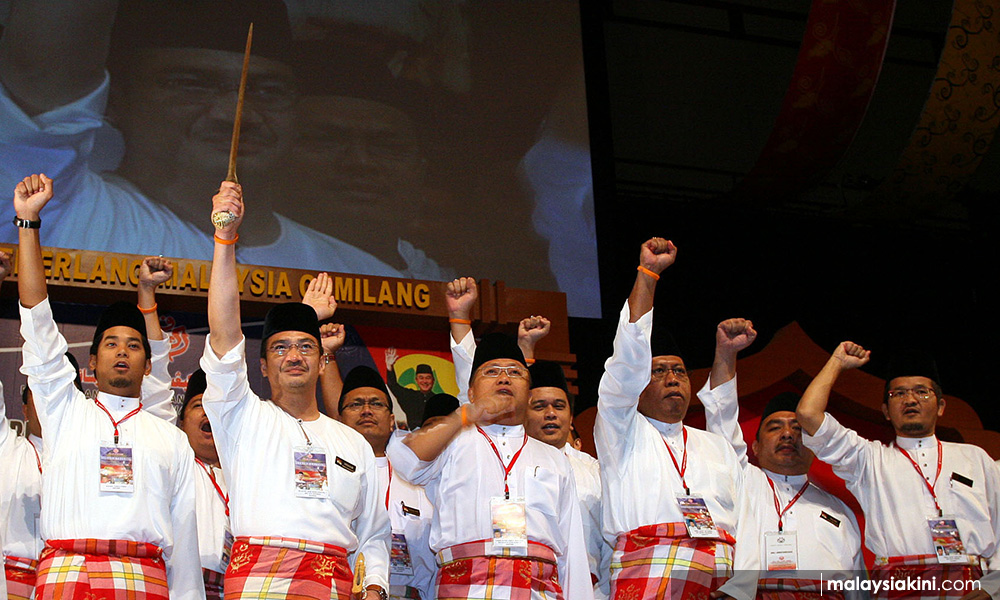
Hindraf also contributed to the results of the 2008 general election. Looking back, there were many contributing factors. Hishammuddin’s keris stunt in 2005, "Walk for Justice", Bersih, Hindraf - all these drove the change we saw in that election.
On Feb 13, 2008, the seventh day of the Chinese New Year, Parliament was dissolved. Just three days before that, on Feb 10, I was sharing a meal with DAP parliamentary leader Lim Kit Siang when he said “be prepared for the unthinkable, including forming the Penang government”. At the time, no one believed him because no one thought it was possible.
Lim’s theory was that the Indians had become emboldened - this was something that had never happened before up till then. Umno was split and many Malay voters were unhappy with Abdullah, and many Chinese voters felt the same. Plus, the wind of change had swept through the Indian community.
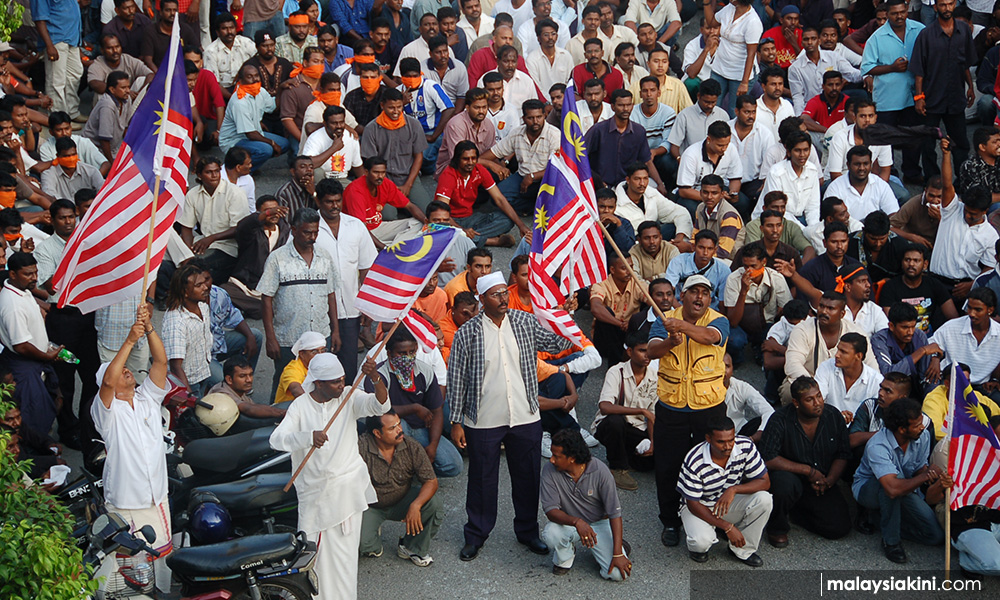
A year before the election, BN had obtained 80 percent of the Indian votes but now, only half of the urban Indians supported them. During the election, I was at a polling booth monitoring the situation when a MIC campaigner pulled me aside and told me he had voted for me. Malay voters had also done the same. A Malay person wearing a BN shirt pulled up his apparel to reveal a picture of Anwar’s face on his undershirt.
There were many factors in the 2008 election, and all of them happened at once. There are many factors right now as well, but they did not come together. Prime Minister Najib Abdul Razak is definitely fearful of large-scale protests because if he is not careful, a small spark could change the whole situation.
The challenge today is different from 2007. In 2007, all we had to do was oppose and find a way to do just that. In 2013, not only did we have to oppose, we had to rebuild. This, by far, has been our greatest challenge.
5. Edmund Bon (43, Walk for Justice, Bersih and Hindraf)
2007: Bar Council member.
2017: Asean Intergovernmental Commission on Human Rights (AICHR) representative for Malaysia.
Bon has worn many hats - as Bar Council human rights committee chairperson, constitution committee chairperson, young lawyers committee chairperson and lawyers group Loyarburok founder. He first offered his services to detained civil society activists during the Reformasi era in 1997 and proceeded to do the same whenever people were arrested at any rally.
However, he saw friction with his contemporaries after representing deposed Selangor menteri besar Khalid Ibrahim in a defamation suit against The Malaysian Insider in 2014.

What inspired you to participate in the movements?
I was there for all three rallies. I was part of the organising team for "Walk for Justice". I attended the Hindraf rally as a Bar Council observer. I attended the Bersih rally as a protester.
It was the Bar Council that had led me to participate in these events. For 'Walk for Justice", we knew we had to take action on the streets. The video evidence was overwhelming. Issuing a press statement was not enough.
We wanted to be heard. I did not anticipate that it would have affected results of the elections.
What do you remember about the rallies?
The atmosphere in all three rallies was electrifying. The people were angry but rational enough to know that they could not use violence. The people were ready for a hard clamp down by the police.
Current state of democracy
Surprisingly, being part of social movements allowed me to understand myself better, and to become a better person. It gave me many opportunities for introspection that are now useful in my work and life today.
It shaped who I am today, and gave me insights I would not have received if I only practised law without taking action in the name of human rights. Many of us started our careers during the Reformasi period. We were part of that generation.
Most of my friends then have become politicians. Others have stayed on in civil society organisations. But everyone is doing different things to achieve the same purpose: to make Malaysia a country we can all be proud to call home.
In 2007, we had to challenge the status quo and the authorities to accept that rallies are here to stay; that they are part of our fundamental human rights – the right to peaceful assembly. We could not back down. The police had to be educated. There was little choice but to push ahead in spite of the challenges and threats.
Then, to a substantial extent, we got what we wanted when the permit requirements were replaced by the practice of “notification” under the Peaceful Assembly Act. The authorities started to behave better. Hostility was reduced. More rallies took place.
As the number increased, the novelty of demonstrations started to wear off. The impact of these mass protests did not replicate like how they happened in the late 90s. More meant less. That is what we are seeing today. The Reformasi activists are able to discern the difference.
The younger activists post-Reformasi may not be able to have such a point of comparison. Malaysians must understand their roles when they take part in social movements – the why, the how, the actions to take, etc. To simply demonstrate because it is fun to do so would be counter-productive. Fatigue would set in.
Being a protester fits the "rebel" role, but it must be complemented by those playing the roles of "reformer" and "social change agent". Without a comprehensive understanding of the utility of rallies, people may easily give up. And this is something we are seeing now.
Non-partisan movements must always take the moral high ground and not become politically partisan. Partisan on issues, but not partisan on one side or another. There is much to say, but the science of social movements has not been fully explained to the masses in a constructive way. We see many people wanting to do many things but lack the focus because the science is not being applied properly.
This report is the second of a three-part series commemorating the 10th year anniversary of the social movements of 2007. It first appeared on Malaysiakini Chinese site and was translated by Anabelle Lee.
A timeline of the events can be viewed here.
Part 1: Defining moments of 2007 - where are we now?
Part 2: Flashback 2007 - a watershed for Malaysian politics
Part 3: Socio-political movements that changed lives forever


Are you sure you want to delete this comment?
This action cannot be undone.