



Brace yourself; the budget is coming
COMMENT | Budget 2018 which will be tabled in the Parliament on Oct 27 will no doubt be the mother of all budgets as this is the last budget before the mother of all general elections is called.
Malaysians can expect many goodies from the government in this budget, at least at the perception level - budgets are one of the political tools for BN to prepare them for the general election.
At the same time, we should ask, “What is next after all the sweets are distributed”?
If we were to speak strictly from election strategy, we can almost tell what Budget 2018 will look like. There are a few groups of voters BN will never want to leave out; Felda settlers, civil servants, unemployed graduates and the B40 group.
The B40 group refers to the bottom 40 percent of households with a monthly income RM3,900 and below.
There are 54 out of 222 parliamentary seats that contain Felda settlements and traditionally, the vast majority of Felda voters have voted in favour of BN.
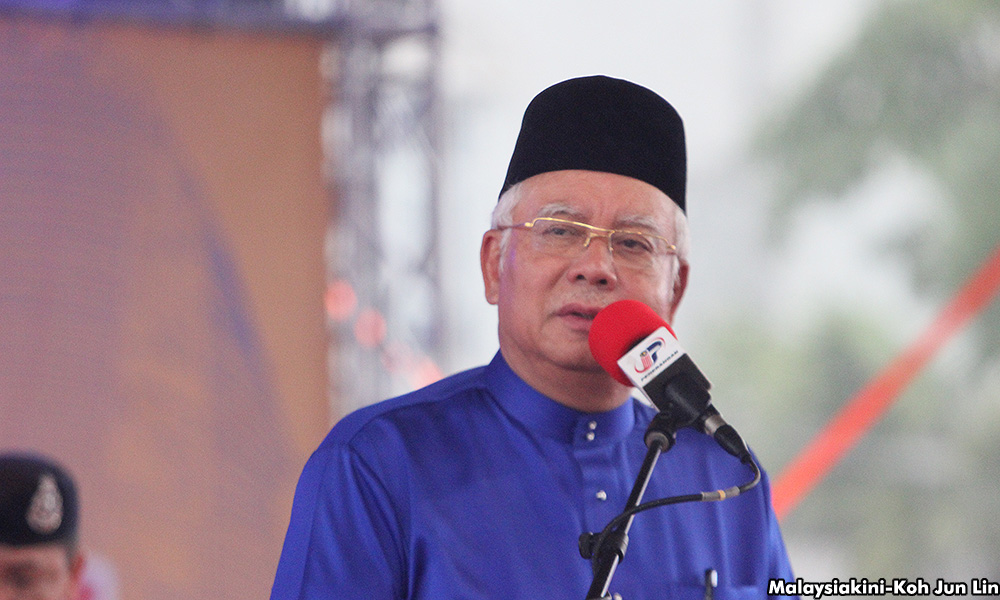
In July 2017, Prime Minister Najib Abdul Razak announced RM1.4 billion aid to Felda settlers in the form of cash handouts and debt waivers.
Currently, several forms of incentives or aids are now on their way to the settlers, after complaints from the settlers that their debts owed to the government lack transparency, and in some cases increased without notice.
The same goes for civil servants, unemployed graduates, and B40 group. We can now expect perennial goodies like higher end-of-year bonus for civil servants, BR1M for the segments of the population, unemployment benefits, and PR1MA.
But what is next after the budget? What happens after the general election is over?...
COMMENT | Budget 2018 which will be tabled in the Parliament on Oct 27 will no doubt be the mother of all budgets as this is the last budget before the mother of all general elections is called.
Malaysians can expect many goodies from the government in this budget, at least at the perception level - budgets are one of the political tools for BN to prepare them for the general election.
At the same time, we should ask, “What is next after all the sweets are distributed”?
If we were to speak strictly from election strategy, we can almost tell what Budget 2018 will look like. There are a few groups of voters BN will never want to leave out; Felda settlers, civil servants, unemployed graduates and the B40 group.
The B40 group refers to the bottom 40 percent of households with a monthly income RM3,900 and below.
There are 54 out of 222 parliamentary seats that contain Felda settlements and traditionally, the vast majority of Felda voters have voted in favour of BN.
In July 2017, Prime Minister Najib Abdul Razak announced RM1.4 billion aid to Felda settlers in the form of cash handouts and debt waivers.
Currently, several forms of incentives or aids are now on their way to the settlers, after complaints from the settlers that their debts owed to the government lack transparency, and in some cases increased without notice.
The same goes for civil servants, unemployed graduates, and B40 group. We can now expect perennial goodies like higher end-of-year bonus for civil servants, BR1M for the segments of the population, unemployment benefits, and PR1MA.
But what is next after the budget? What happens after the general election is over?
Aid and distribution are especially crucial to the economy now when ordinary Malaysians on the streets don’t seem to benefit at all from the alleged “strong GDP growth”. GDP growth did not answer the many questions such as rising living costs, unemployment, damage on purchasing power due to GST, stagnant wages increment for many Malaysians, rising household debt to GDP ratio or the weakened ringgit.
It was also due to the series of economies difficulties we face today, that a rising number of Malaysians are dependent on aid to put food on their table. However, while we agree that aid is necessary to Malaysians right now, what can we offer them in the future?
There are few areas of concern that Malaysians deserve to know:
20-year budget deficit
Fiscal deficits are normal and commonly seen globally but not for 20 years consecutively. To solve the deficit, the government has three ways; raise taxes, borrow more or lower their expenditure.

If there is a plan to solve the budget deficit, what is it? Since GST was introduced to “save Malaysian economy”, will rates be raised above 6 percent? Will the poor be taxed more in the future?
Or will the government further borrow? Will more subsidies be taken away after our petrol and sugar subsidies are gone? Will the government slash government expenditure on important sectors - which has happened to healthcare and education sectors?
What will the government do to lower the budget deficit?
Unemployment among Malaysians
The Economic Planning Unit reported an increase in the unemployment rate in Malaysia from 2.9 percent to 3.4 percent from 2014 to 2016. It is estimated to further increase to between 3.6 percent and 3.8 percent in 2017.
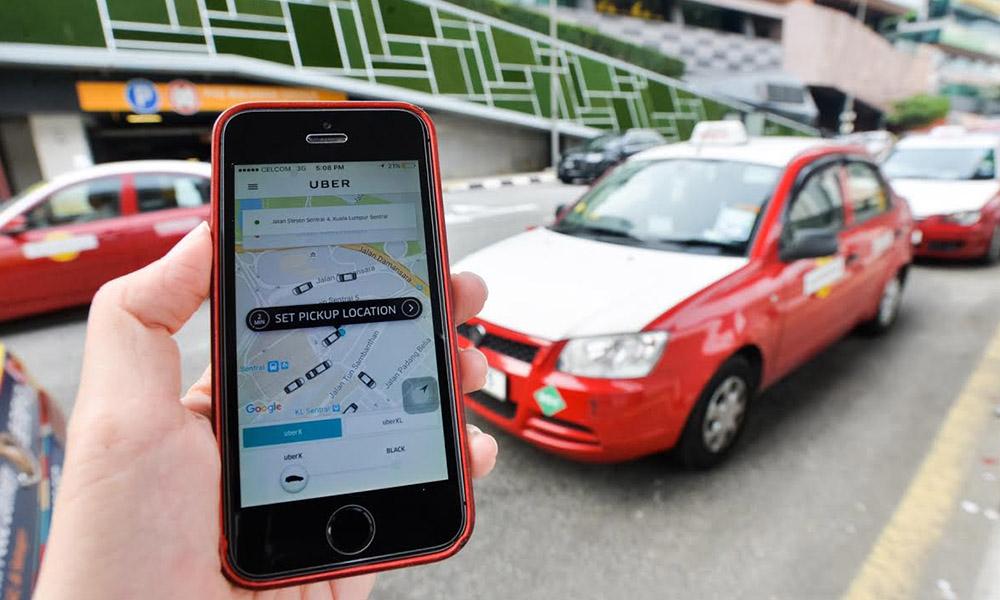
Malaysia’s youth unemployment rate has remained above 10 percent for a few years now. These figures do not include those who have left Malaysia for jobs or those who have opted to take up alternative or less-preferred jobs such as working part time or becoming Uber or Grab drivers.
So, what is the government’s plan to create more jobs for Malaysians?
Combating Corruption
The cost of corruption in Malaysia is enormous and has given us the unsavoury moniker of a “kleptocratic nation”. The debt unpaid by 1MDB alone is more than RM40 billion and will take the nation at least 30 years to repay.
Will the government take action to clear its name and recover the allegedly misappropriated US$4.5 billion funds in 1MDB as well as the US$1.7 billion worth of assets purportedly acquired using funds stolen from 1MDB, as reported in Department of Justice’s filing?
What will the government do to combat corruption?
Long-term economic plan
We seek good investment returns, but what matters more in a budget is the allocation of resources. Those who have argued that the prime minister’s recent generous investment that aims at “strengthening US economy” makes commercial sense as the returns are good have missed the point.
The US$10 billion for airplanes and the additional US$4 billion from EPF investment - which translates into a whopping RM59 billion, is equivalent to 18 months of GST collection from April 1, 2015 to Oct 31, 2016.
If GST has indeed “saved Malaysian economy”, why did our prime minister send our saviour to the US? Wouldn’t it be better to spend it on, for instance, bringing back JPA scholarships that were cut in 2016?
Cutting the scholarships provided a cost-saving of RM240 million to the government at the cost of more than 700 students denied the opportunity to study overseas.
Speaking about return on investments, questions such as “what is the rate of return?”, “is the rate of return reasonable?” and “when will the return be generated?” remained unanswered.
As the mother of all budgets approaches, we should look beneath the surface. If the resources in our nation are properly managed and allocated, there will be fewer Malaysians who need those them so desperately.
Let us remind ourselves to never overlook the opportunity costs of an attractive budget.
KERK CHEE YEE is political secretary to DAP Parliamentary Leader Lim Kit Siang
The views expressed here are those of the author/contributor and do not necessarily represent the views of Malaysiakini.


Are you sure you want to delete this comment?
This action cannot be undone.