



Harapan's manifesto seeks to put more money in rakyat's pocket
Pakatan Harapan, which is set to unveil its detailed manifesto tomorrow, will seek to put as much money as possible into the people's pockets within the first 100 days of its rule if it comes to power after the 14th general election.
Malaysiakini has been granted a preview of the manifesto, in which seven out of its 10 "first hundred days" pledges are policies designed to directly increased disposable income and savings.
This will primarily be done through writing off the existing debts held by targeted groups or delaying the repayments, as well as the introduction of subsidies.
One such proposal is targeted at Felda settlers, as the opposition coalition seeks to abolish "unnecessary debts" imposed on the group...
Pakatan Harapan, which is set to unveil its detailed manifesto tomorrow, will seek to put as much money as possible into the people's pockets within the first 100 days of its rule if it comes to power after the 14th general election.
Malaysiakini has been granted a preview of the manifesto, in which seven out of its 10 "first hundred days" pledges are policies designed to directly increased disposable income and savings.
This will primarily be done through writing off the existing debts held by targeted groups or delaying the repayments, as well as the introduction of subsidies.
One such proposal is targeted at Felda settlers, as the opposition coalition seeks to abolish "unnecessary debts" imposed on the group.
Another target is graduates, particularly with regard the much-maligned National Higher Education Loan Fund (PTPTN).
Harapan will likely propose the postponement of PTPTN loan repayments for all graduates earning below RM4,000 a month and do away the practice of blacklisting defaulters.
On the subsidies front, Harapan is expected to roll out its long-promised reintroduction of petrol subsidies, but in a targeted manner.
Read more: Manifesto: Harapan to loosen reins of power in first five years
Implement S'gor scheme at national level
Furthermore, the opposition coalition will also seek to copy the Selangor government’s "Skim Peduli Sihat" for implementation at the national level.
The scheme provides RM500 annually to the B40 group to seek basic medical treatment in registered private clinics.
The coalition is also expected to introduce some form of a mechanism, similar to the Employees Provident Fund (EPF), for housewives who would otherwise not have any retirement savings.

Other proposals that have already been well-publicised are the abolishment of the goods and services tax (GST), as well as an increase in the minimum wage, which currently stands at RM1,000 for Peninsular Malaysia and RM920 for East Malaysia.
In its alternative budget, Harapan noted that replacing the GST with the sales and service tax (SST) could potentially see a shortfall of RM25.5 billion in revenue annually.
However, it insisted that the figure could be offset through greater tax revenue, arising from growth in various sectors spurred by higher disposable income from the abolishment of GST.
The shortfall would also be made up by greater fiscal discipline to curb leakages and corruption.
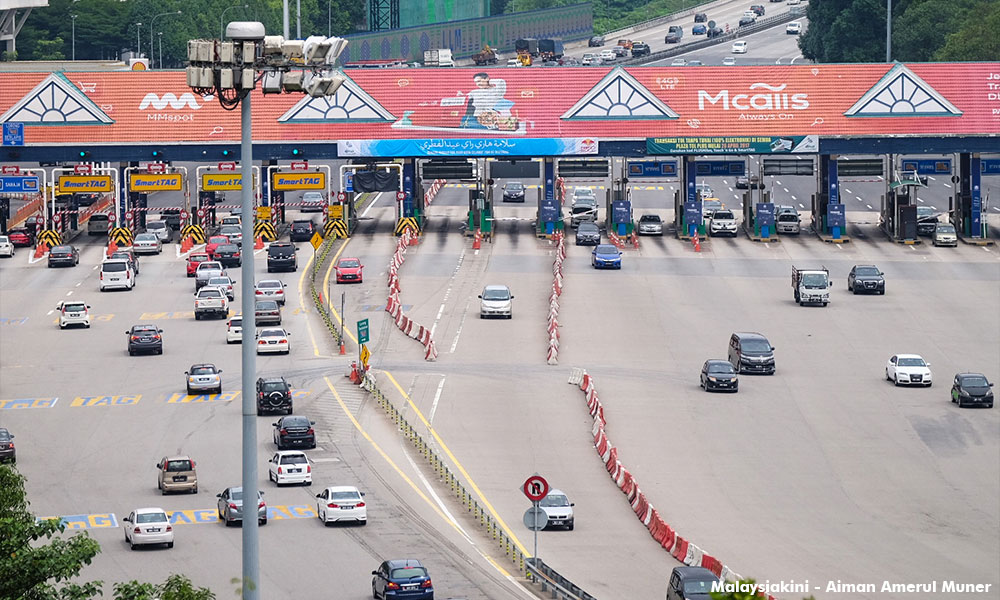
However, the alternative budget did not quantify the costs of other key policies, such as the reintroduction of various forms of subsidies and the abolishment of tolls.
It remains to be seen if Harapan can provide a costing for its policy items in its latest manifesto, but the document will likely put pressure on BN to respond when it releases its own.
In 2013, after Harapan’s predecessor Pakatan Rakyat released its manifesto, BN was forced to counter with similar promises, such as the removal of certain tolls and a reduction in car prices.
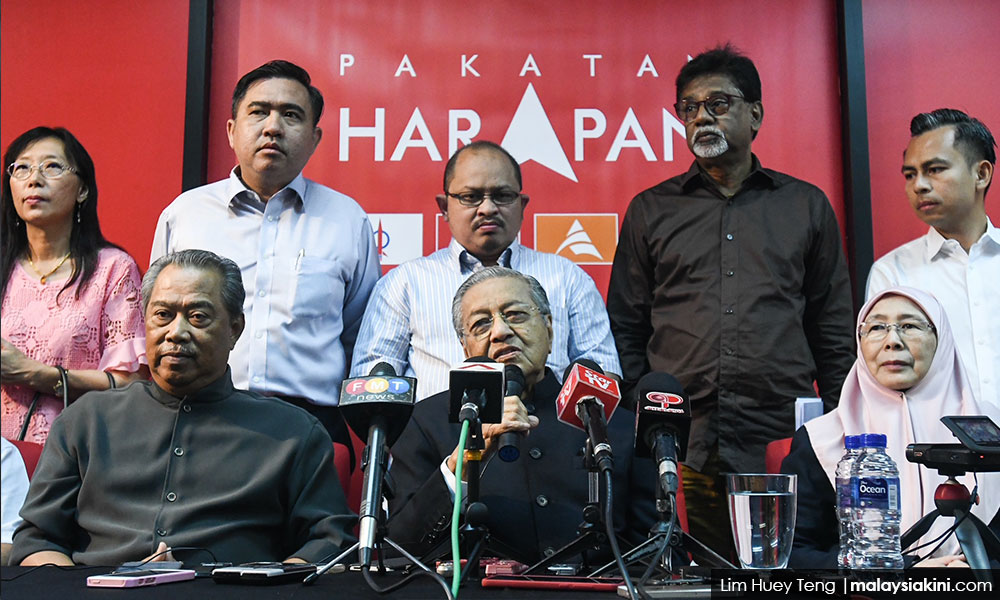
The unveiling of the Harapan manifesto tomorrow will be attended by the coalition's top brass, including chairperson Dr Mahathir Mohamad and president Dr Wan Azizah Wan Ismail.


Are you sure you want to delete this comment?
This action cannot be undone.