



Anti-Fake News Act repeal to take two, three months
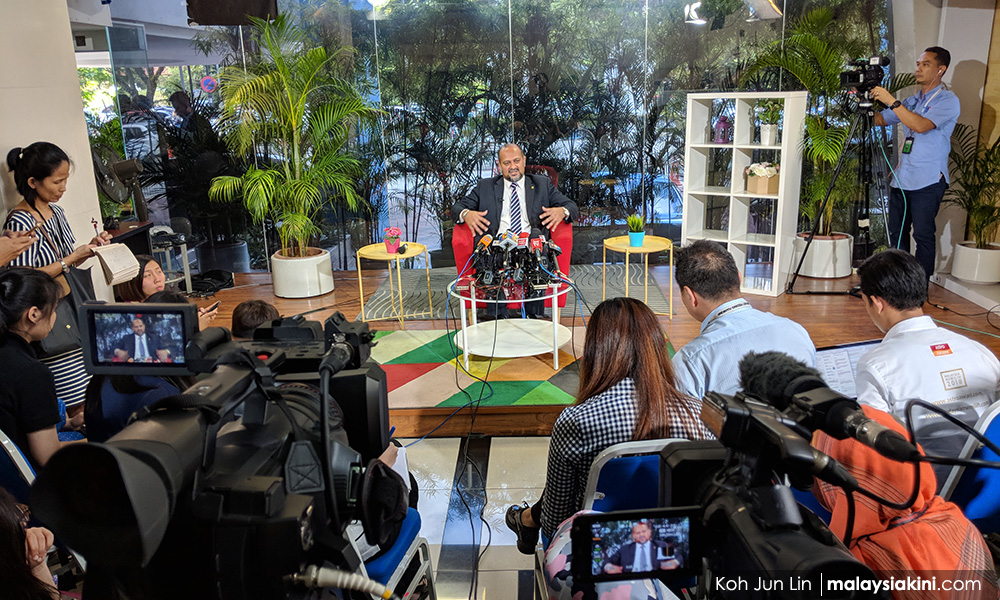
The entire process of the repeal of the Anti-Fake News Act 2018 may take two or three months, Communications and Multimedia Minister Gobind Singh Deo said today.
He is aiming for the repeal bill to be tabled in Parliament when it convenes on June 25, or in the parliamentary session after if he cannot prepare the necessary documents in time...
The entire process of the repeal of the Anti-Fake News Act 2018 may take two or three months, Communications and Multimedia Minister Gobind Singh Deo said today.
He is aiming for the repeal bill to be tabled in Parliament when it convenes on June 25, or in the parliamentary session after if he cannot prepare the necessary documents in time.
“It is a process and we’d have to table a bill in Parliament. So, hopefully, I will do it in this session, and if I can’t do it in this session, definitely I will do in the next session,” he told reporters at a press conference in Wisma Bernama in Kuala Lumpur.
Gobind pointed out, however, that the entire process of preparing documents as well as seeking the feedback of the Attorney-General’s Chambers and other stakeholders would be relatively quick, because it merely entailed a straight repeal.
He promised to provide the press with updates on the repeal process once every two weeks.
Issues to be ironed out
Since the Anti-Fake News Act has already been enforced, Gobind noted, there were several issues that would first need to be considered before drafting a repeal bill.
Among others, he said the government would need to consider what to do with those who had been arrested and charged under the act.
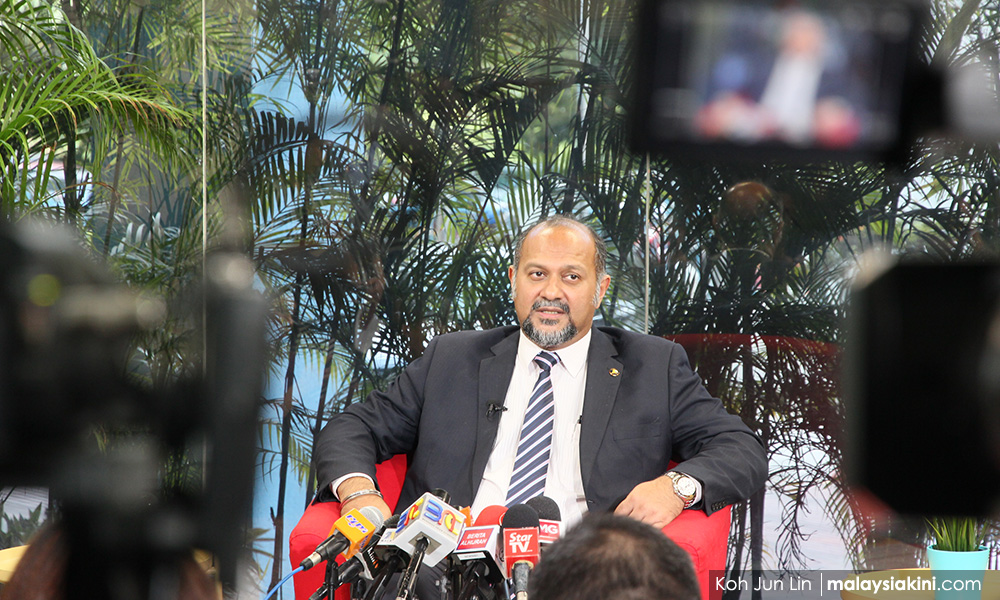
He said the government would also need to look into whether other laws could be used if the Anti-Fake News Act was dropped.
“There are various areas that we need to look at, and I think the bill that we produce in Parliament, in terms of savings and transitions, there is always that provision at the end (of the repeal bill). That has to be made quite clear,” he said.
Gobind indicated that he intended to discuss matters pertaining to media freedom, including that of the state-owned media, at the upcoming cabinet meeting on Wednesday.
Asked about his plans for Section 233 of the Communications and Multimedia Act 1998, Gobind said he would look into ways to make the provision more specific on what constitutes an offence, the powers of the Communications and Multimedia Commission (MCMC), and the processes through which websites are blocked.
Section 233 currently criminalises the “abuse of network facilities” for causing annoyance or offence.
It has been criticised as being vague, and for allowing authorities to direct network providers to block access to certain websites.


Are you sure you want to delete this comment?
This action cannot be undone.