



From mayor of Penang to ‘Mayor of the World’
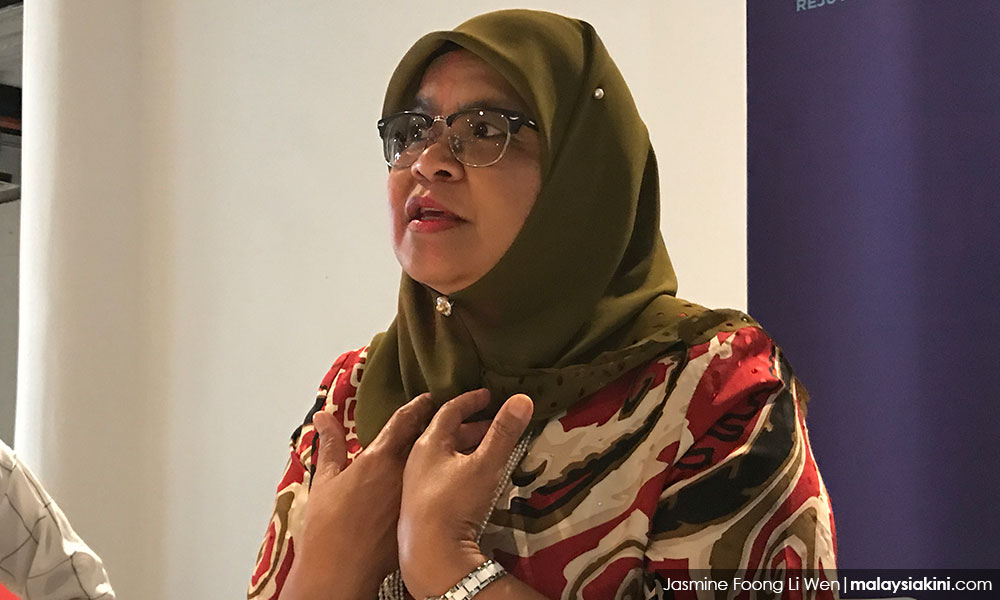
MALAYSIANSKINI | In January this year, Maimunah Mohd Sharif became the first Asian woman and Malaysian to head a major United Nations agency when she was appointed executive director and under-secretary-general of the UN Human Settlements Programme (UN-Habitat).
Trained as a town planner, Maimunah is best known for her work in Penang. As director of planning and development at the Penang Island City Council, she was responsible for the island’s projects and landscape development.
She also spearheaded the Urban Renewal Projects in George Town during her tenure. Along with Malacca, George Town was the first cultural site in Malaysia to be inscribed as a Unesco World Heritage Site in 2008.
Maimunah was also the first female president of the Seberang Perai Municipal Council. She was assigned the post in 2011 and led the city to achieve its vision of a “cleaner, greener, safer and healthier place to work, live, invest and play”.
Maimunah went on to become mayor of the Penang Island City Council, and held the post until she undertook her UN position. Now, as a leader of a global organisation, she...
MALAYSIANSKINI | In January this year, Maimunah Mohd Sharif became the first Asian woman and Malaysian to head a major United Nations agency when she was appointed executive director and under-secretary-general of the UN Human Settlements Programme (UN-Habitat).
Trained as a town planner, Maimunah is best known for her work in Penang. As director of planning and development at the Penang Island City Council, she was responsible for the island’s projects and landscape development.
She also spearheaded the Urban Renewal Projects in George Town during her tenure. Along with Malacca, George Town was the first cultural site in Malaysia to be inscribed as a Unesco World Heritage Site in 2008.
Maimunah was also the first female president of the Seberang Perai Municipal Council. She was assigned the post in 2011 and led the city to achieve its vision of a “cleaner, greener, safer and healthier place to work, live, invest and play”.
She went on to become mayor of the Penang Island City Council, and held the post until she undertook her UN position. Now, as a leader of a global organisation, she continues to endorse turning cities into inclusive spaces for home, work and play.
In her own words, Maimunah tells her story.
GLOBALLY, MOBILITY AND ACCESSIBILITY ARE CRUCIAL TO ECONOMIC GROWTH. But this element of mobility and accessibility and transportation must also benefit the people in each city and each country.
People are no longer talking about traffic and transportation. People are talking about connectivity and mobility, which can also be in terms of mobility on foot… the thinking has changed. Previously, when you wanted to go from one place to another, you needed to have had a car. Now, in cities like in Amsterdam, Zurich and Salzburg, (many) people cycle.
THE LIFE AND THE NEEDS OF PEOPLE NOWADAYS ARE DIFFERENT. Even though they (cities like Amsterdam, Zurich and Salzburg) have high-speed rail, monorails and LRTs, they are still thinking about having space for cyclists.
When I went to Brussels, I saw that their roads were so wide and fully pedestrianised. I think efforts to give back space to the public is good as long as they are in line with public transportation policies and other alternatives because these efforts will make cities more vibrant.
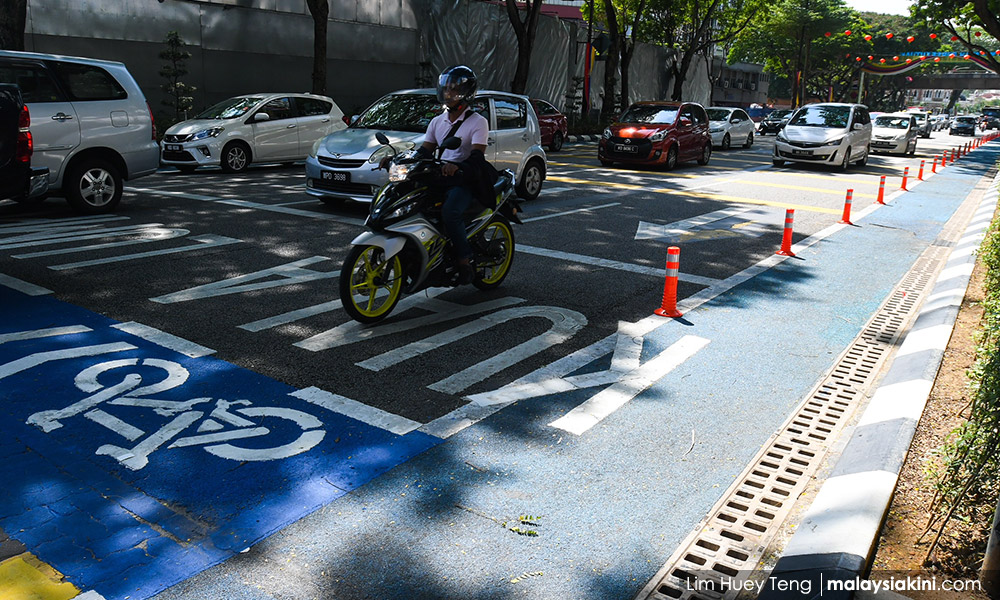
When I was in Brussels, I asked the government about the effects of pedestrianisation. I asked why local businesses improved. It is because when the city is fully pedestrianised, everyone comes and brings their families. Getting around is very easy.
A CITY IS FOR PEOPLE TO WORK, TO LIVE AND TO PLAY. Within a city, people need sufficient employment opportunities and housing. There is also a need for art, culture and heritage elements in public spaces within the city. That’s the quality of life that I think people are beginning to look for.
The thinking now has shifted from expanding and increasing transportation to talking about seamless connectivity, mobility and accessibility.
HUMAN SETTLEMENT OCCURS OUTSIDE CITIES, IN INTERMEDIARY CITIES AND INSIDE CITIES. At UN-Habitat, we look at the whole picture. If we look at the current urbanisation trends, by 2050, more than 80 percent will live in cities. The rate of urbanisation is high. I think there are many challenges to this and people often think of devoting attention and focus to cities.
But I think that urbanisation is a tool for development. People migrate for infrastructure. If facilities for education and employment exist outside the cities, people won’t migrate to cities (any more).
So, now, we have to look at what the needs and wants of the young people and others in rural areas, so that we can meet these needs and reduce their desire to migrate.
WHEN I WAS A MAYOR AND URBAN PLANNER, I WAS THE CLOSEST LEVEL OF GOVERNMENT TO THE PEOPLE. Now that I am working at a global level, I would like to close the gap between federal governments and local governments.
I wish to come up with a framework to localise the UN Sustainable Development Goals. This is so that it can be applied by the mayors all over the world and be understood by all walks of life, whether it be politicians, professionals, students, mayors, officers at every level, or even by the people on the ground like the hawkers and the farmers.
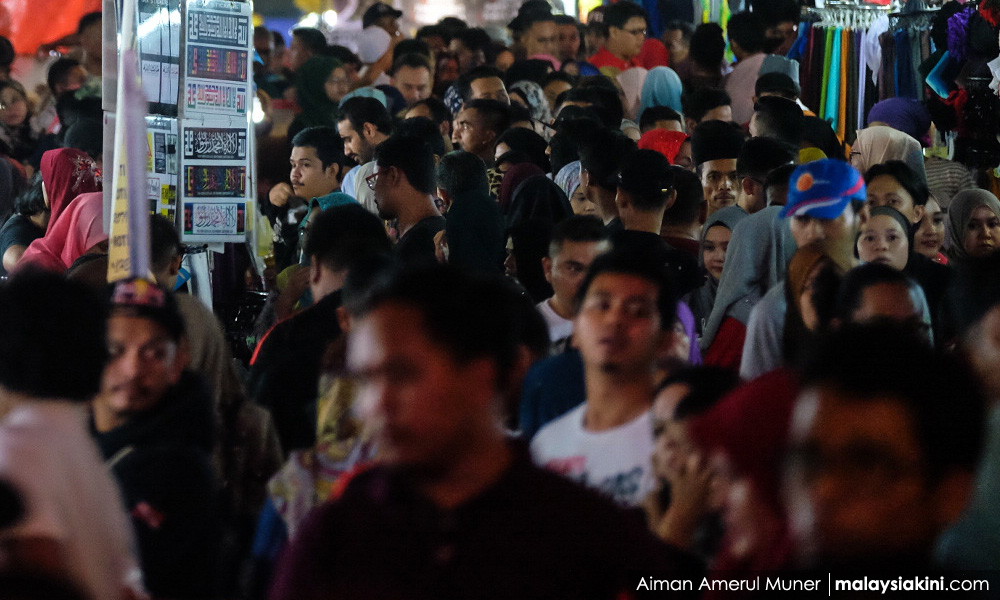
You want to transform the policies that each country has into a programme and an action on the ground because sometimes, with certain policies, if you don’t implement it, you cannot see the impact.
My past experience as a mayor and urban planner will help me draft the framework to help translate this big policy at the global level for people on the ground.
I’M VERY PROUD TO BE THE FIRST MALAYSIAN AND ASIAN WOMAN TO HOLD THIS POST. I’m very excited and proud because I’m bringing the Malaysian flag to the United Nations and this is the highest post that a Malaysian and woman has held in the UN.
Previously, I was the mayor of Penang but now, even journalists from abroad have said: “you are like the mayor of the world.”
The challenges that I’m tackling now are global. They’re no longer zeroed in on Seberang Perai and Malaysia. Now, I have to look at things on a global scale.
NOW, I DON’T ONLY HAVE EXPECTATIONS FROM THE WHOLE WORLD. I also have expectations from all women. When I was in Brussels, they said: "You are the role model for women around the world." When I went to Dubai, they said: "you are the role model for Muslim women around the world."
I now have the challenge of living up to their expectations. I have to perform at my UN post and I believe that I can because I believe in turning the impossible into the 'I-m-possible.'
I’M HAPPY THAT MALAYSIA NOW HAS ITS FIRST FEMALE DEPUTY PRIME MINISTER. I think there are more chances for women. We women are not a liability. We are an asset to the nation. When you plan cities for women, you plan cities for all.
MALAYSIANS KINI is a series on Malaysians you should know.
PREVIOUSLY FEATURED
Patriot’s Arshad defends country by speaking out against corruption
'I'm very clumsy, I fell into stand-up comedy'
Why Nasa scientist Amani chose M’sia over the stars
Working hard to revitalise country’s traditional arts
Living life in the face of muscular atrophy
Lighting the way for neglected girls
The rebel educator who seeks to enlighten people
Rendering aid to the Rohingya through education
Bringing a ray of hope for refugee children
M’sia's first woman BRT captain drives her way to top
The real Orked remembers sister Yasmin's life and career


Report this comment
Are you sure you want to delete this comment?
This action cannot be undone.