




Nude clip: No cover-up with commission
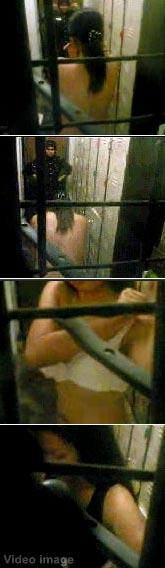
The independent commission, tasked to investigate the case of a woman forced to do ear-squats in the nude while in police custody, was set up because the government did not want the public to allege a cover-up by the authorities.
The independent commission, tasked to investigate the case of a woman forced to do ear-squats in the nude while in police custody, was set up because the government did not want the public to allege a cover-up by the authorities.
 Prime Minister Abdullah Ahmad Badawi today said the public wanted to know what actually took place and any suspicion that there was a cover-up should not arise.
"The particular incident which has taken place has caused a lot of unhappiness and uproar. We want to know what has happened," he was quoted as saying in a Bernama report.
He said the commission was set up to investigate that particular incident and not the police force as a whole.
Yesterday the government announced the setting-up of the five-member independent commission headed by former chief justice Mohamed Dzaiddin Abdullah to investigate the case.
The other members are former MCA deputy president Lim Ah lek, Wanita Umno Legal Aid Bureau chief Kamilia Ibrahim, former Bar Council president Khuthubul Zaman Bukhari and Hamzah Mohamed Rus to serve as the secretary.
 All five had previously served on the Royal Commission to Enhance the Operations and Management of the Royal Malaysia Police.
'The mood is such'
Meanwhile, Abdullah said he had informed Inspector-General of Police Bakri Omar that it was better for this matter to be handled by an independent commission of inquiry.
"(This is) because if the police were to handle it and find that something had gone wrong, and action had to be taken against those responsible, then the people would accept it.
"If it happens that the police say that it was not wrong and the police say that our investigation shows that it was not wrong, then nobody will believe it, everybody will say ...cover-up." he said.
He said this was because the "mood" was such, and this mood had been created by the media.
"Therefore, we need the independent commission and I chose those people who were serving in the old commission.
"If I had taken someone new, it would have taken a long time as they would have to learn about the police and would take two, four or five months to complete the job," he added.
The prime minister said that since those appointed knew the problem and the shortcomings of the police, they could decide quickly and deliver the result in a month.


Are you sure you want to delete this comment?
This action cannot be undone.