




Muslim leaders meet in Mecca to fight extremism
Leaders of the Organisation of the Islamic Conference opened a summit in Mecca yesterday with a Saudi call for moderation and tolerance and a rejection of extremist violence.
Leaders of the Organisation of the Islamic Conference opened a summit in Mecca yesterday with a Saudi call for moderation and tolerance and a rejection of extremist violence.
"Islamic unity would not be reached through bloodshed as claimed by the deviants," Saudi King Abdullah bin Abdul Aziz said at the inauguration of the two-day summit at Islam's holiest city of Mecca.
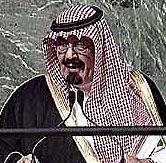 King Abdullah, whose country hosts the 57-member OIC's headquarters, was referring to Islamist extremists, notably the Al-Qaeda terror network of Saudi-born Osama bin Laden.
He called upon the Islamic jurisprudence arm of the OIC to "fulfill its historic role of combating extremism."
He also called for a reform of educational programmes in Islamic nations, which have been facing a relentless US campaign for changing school textbooks that Washington deemed intolerant.
"Developing the curriculum is essential to building a tolerant Muslim identity ... and to having a society that rejects isolation," he said.
Washington has been pushing for an initiative to encourage democratic reform and economic liberalization in Arab and Muslim countries in a bid to abate the frustration and poverty on which terror is thought to thrive.
Grave problems
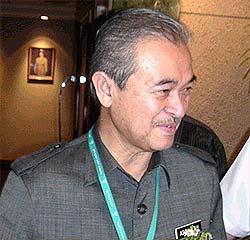 Malaysian Prime Minister Abdullah Badawi, whose country chairs the summit, said the Muslim world is "faced with grave problems that affect the lives of hundreds of millions of people across the globe.
"We can no longer neglect these problems or expect others to solve them for us," he said.
Saudi Foreign Minister Prince Saud al-Faisal said Tuesday the summit was meant to counter the "harsh offensive on Islam from enemies abroad and some of its own children with deviant ideologies".
On Tuesday, OIC foreign ministers held a preparatory meeting in the Saudi city of Jeddah to draft the agenda of the summit, which is expected to adopt two main documents: a "Mecca Declaration" and a 10-year "plan of action to confront the challenges of the 21st century".
Saud said the Mecca Declaration would "present a general view of the situation as well as the common aspirations and hopes of our nation".
The Muslim world "calls for forgiveness ... among peoples and for combatting injustice, aggression and corruption", he said.
He said the 10-year plan was "meant to confront the challenges faced by our Islamic nation, and is based on the recommendations, visions and ideas reached by scholars and intellectuals."
The plan also provides for a restructuring of the OIC, including its Islamic Jurisprudence Academy, which "should become the highest reference in jurisprudence ... and put an end to the multitudes of references and conflicting fatwas."
Name change
Saud was referring to the religious edicts issued by extremists, including Al-Qaeda in Iraq, that have tried to legitimize deadly attacks on civilians and assassinations.
The Islamic leaders are expected to approve a name change for the body to become the Organisation of Islamic Countries.
The OIC, founded in 1969, is facing a financial crisis, as several member states have not paid their annual contributions.
Non-Muslim leaders of OIC member states will only participate in the Mecca summit via video-conference from Jeddah, about 80 kilometers (50 miles) away.
Non-Muslims are forbiden entry to the cities of Mecca and Medina which are home to Islam's holiest shrines.


Are you sure you want to delete this comment?
This action cannot be undone.