


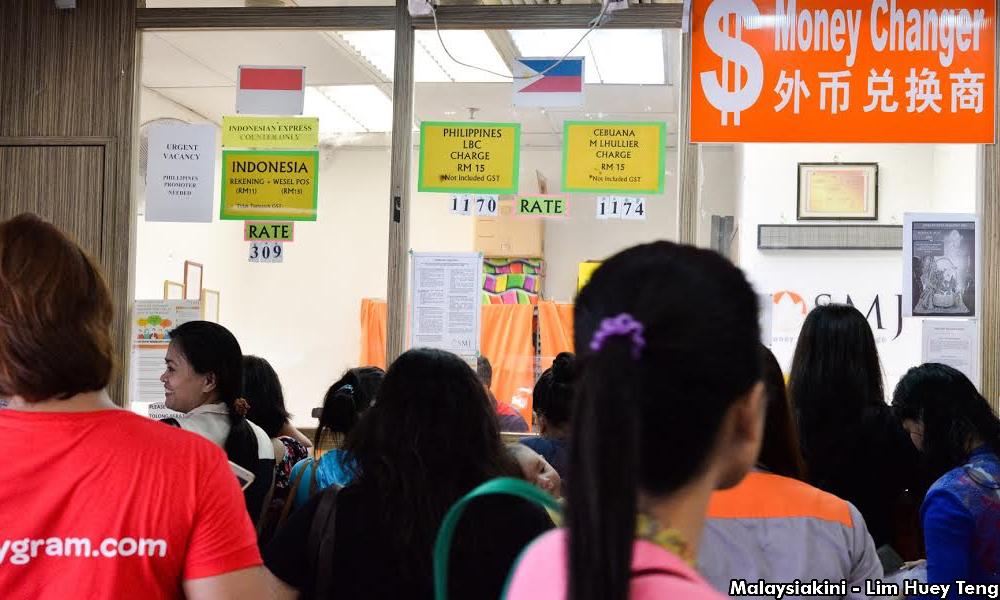

After 73 deaths, Indonesian province wants to stop sending workers to M'sia
East Nusa Tenggara deputy governor Josef Nae Soi has called for a moratorium in sending workers from the Indonesian province to Malaysia, according to news agency Antara.
"A moratorium is very urgent and should be addressed seriously," he was quoted as saying today.
Josef made the call in response to reported deaths of workers from East Nusa Tenggara.
Antara reported that in the first eight months of this year, 73 Indonesian migrant workers from provincial capital Kupang had died in Malaysia, with their remains being sent back home...
East Nusa Tenggara deputy governor Josef Nae Soi has called for a moratorium in sending workers from the Indonesian province to Malaysia, according to news agency Antara.
"A moratorium is very urgent and should be addressed seriously," he was quoted as saying today.
Josef made the call in response to reported deaths of workers from East Nusa Tenggara.
Antara reported that in the first eight months of this year, 73 Indonesian migrant workers from provincial capital Kupang had died in Malaysia, with their remains being sent back home.
Josef said he had also discussed the issue with new East Nusa Tenggara governor Viktor Bungtilu Laiskodat and other community leaders.
"We are serious about human lives," he said, adding that anyone involved in alleged human trafficking activities should be dealt with firmly.

Josef (photo) further revealed plans by the provincial administration to send a team to record all Indonesian migrant workers from East Nusa Tenggara in Malaysia sometime next month.
Meanwhile, the province's manpower and transmigration office chief Bruno Kupok said that from 2016 to September this year, as many as 5,007 individuals from the province are working in Malaysia.
The number does not include those entering Malaysia illegally, he told Antara.
Malaysiakini has contacted Human Resources Minister M Kulasegaran for comments on the moratorium.
'Moratorium necessary'
When contacted, Glorene A Das, the executive director of migrant rights group Tenaganita, said that while a moratorium is necessary at this juncture, a lasting long-term solution to the problem must be reached between both governments.
"What we need is a bilateral agreement with binding terms and conditions on the recruitment, placement and employment of migrant workers.
"The Indonesian government must be assertive and insist on these policies, so migration is correctly regulated and migrants rights are protected against abuses, profiteering and human trafficking," she told Malaysiakini.
Asked whether workers from East Nusa Tenggara were more vulnerable compared to those from other parts of Indonesia, Glorene said that all workers from the country are vulnerable to exploitation.
"But from our experience dealing with various cases, many workers from East Nusa Tenggara who returned home lifeless are undocumented," she said.
Among others, there were reports of workers from the province who fell prey to a network of agents in Indonesia and Malaysia, who placed them in exploitative work conditions that eventually saw them running away and becoming undocumented.
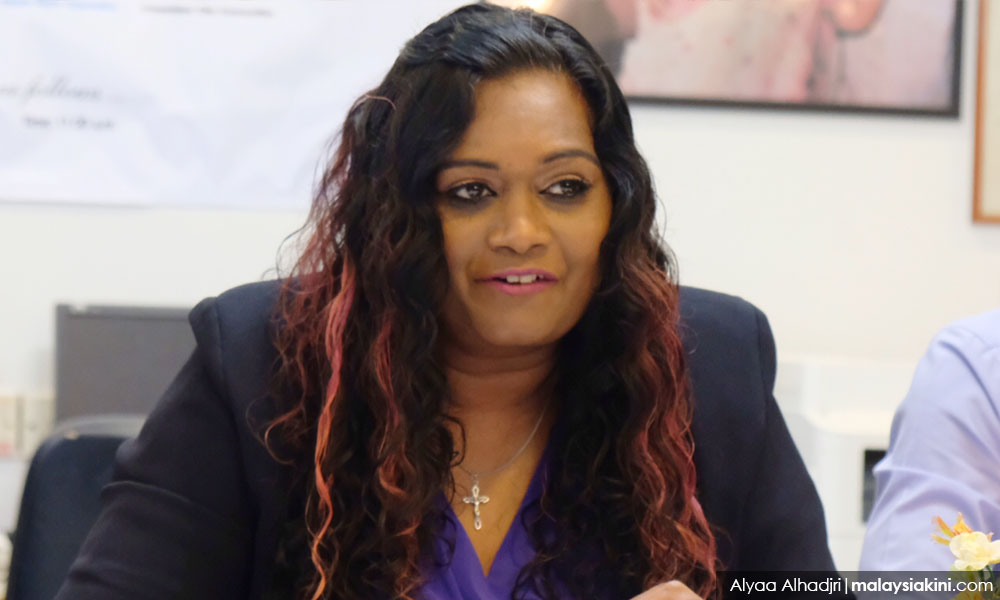
Glorene (photo) explained that among the factors that led to this situation is the almost non-existent channelling of information for workers from the province about to make their way to Malaysia.
"The people are in poverty so they become vulnerable to be lured by traffickers and syndicates," she said.
While attending a human trafficking conference in Kupang earlier this year, Glorene said she was present at the El Tari International Airport to receive a body of an East Nusa Tenggara local who worked in a Malaysian plantation.
In March last year, a Malaysiakini special report with Indonesia's Tempo magazine exposed a network of human traffickers in East Nusa Tenggara and Malaysia involved in the recruitment and placement of migrant workers.
Read more: Following the money on lucrative illegal Indo-M’sia maid trade
Kupang district police chief Adjie Indra revealed at the time that more than 2,200 migrant workers from across East Nusa Tenggara – which spans more than 500 islands across 48,718 sq km – fell victim to human trafficking syndicates between 2015 and 2017.
Since then, the subject of migrant workers protection has been discussed by various authorities in both Malaysia and Indonesia, including during Prime Minister Dr Mahathir Mohamad's inaugural meeting with President Joko Widodo in Jakarta earlier this year.
Last month, Mahathir announced that Malaysia will soon adopt a single system to handle all matters related to the hiring of foreign workers, regardless of their countries of origin.
As part of the process, Mahathir said the government will set up an independent committee to study policies related to the overall management of migrant workers in Malaysia.


Are you sure you want to delete this comment?
This action cannot be undone.