



Study on local battery production to be completed this year
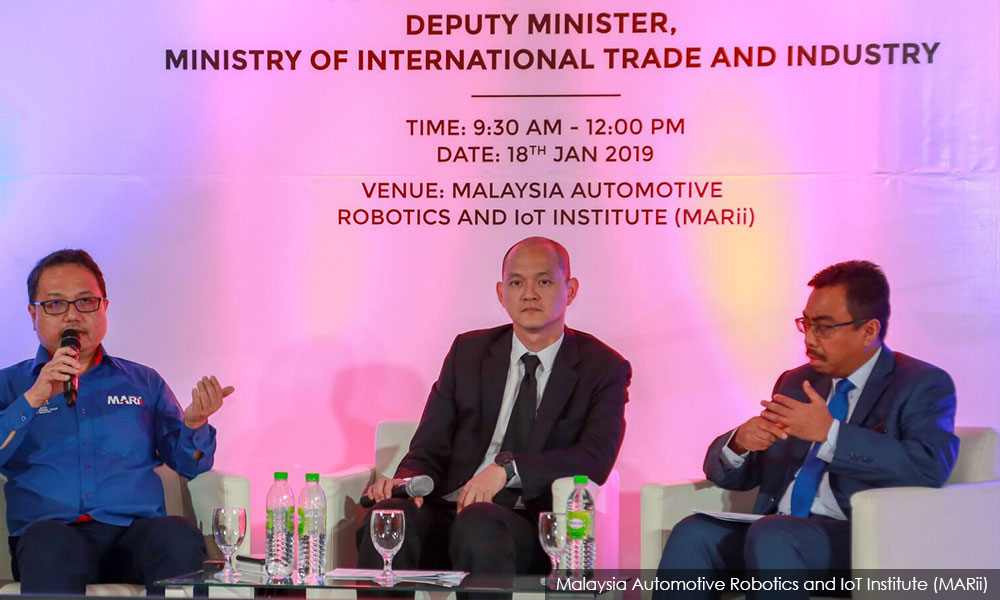
The Malaysian Automotive Robotics and IoT Institute (Marii) will complete a feasibility study this year on whether Malaysia can product lithium-ion cells, which play a key role in powering electric and hybrid vehicles.
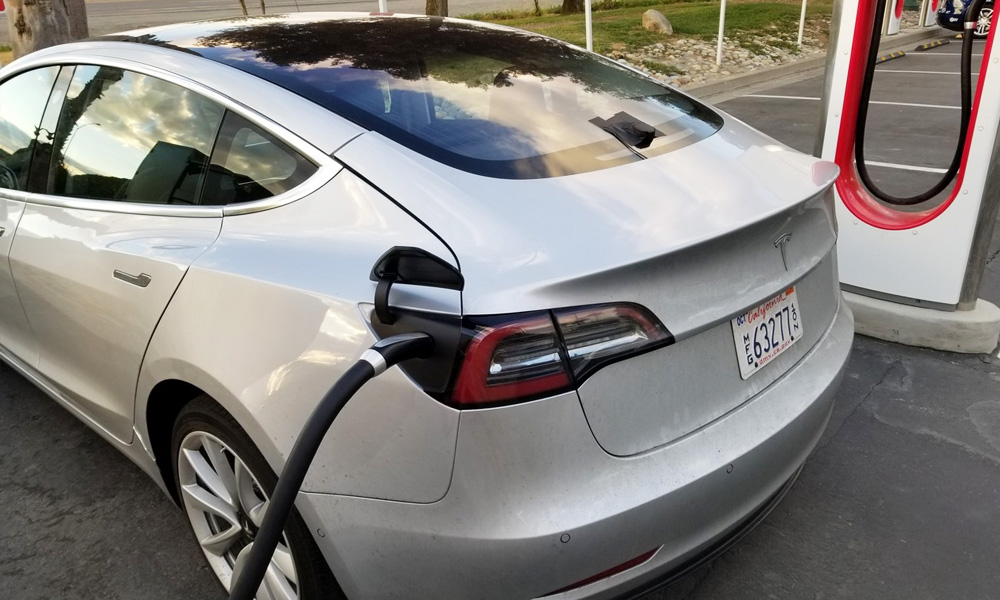
If successful, Malaysia could become the first lithium-ion cell manufacturer in the Asean region. The cells would be of the 18650-type – the same type of lithium-ion cells used in devices ranging from high-end flashlights to Tesla’s premium electric cars...
The Malaysian Automotive Robotics and IoT Institute (Marii) will complete a feasibility study this year on whether Malaysia can product lithium-ion cells, which play a key role in powering electric and hybrid vehicles.
If successful, Malaysia could become the first lithium-ion cell manufacturer in the Asean region. The cells would be of the 18650-type – the same type of lithium-ion cells used in devices ranging from high-end flashlights to Tesla’s premium electric cars.
Marii CEO Madani Sahari said Malaysia aims to become a hub for lithium-ion battery production in the region.
“What we mean by feasibility study is to understand, in the context of the Malaysian environment, whether that battery will be retaining the energy density that we hope for.
“That will take another three months for us to complete the evaluation… So, the whole idea now is to make Malaysia a producer of lithium-ion batteries for automotive use,” Madani explained during an annual briefing of the state of Malaysia’s automotive industry.
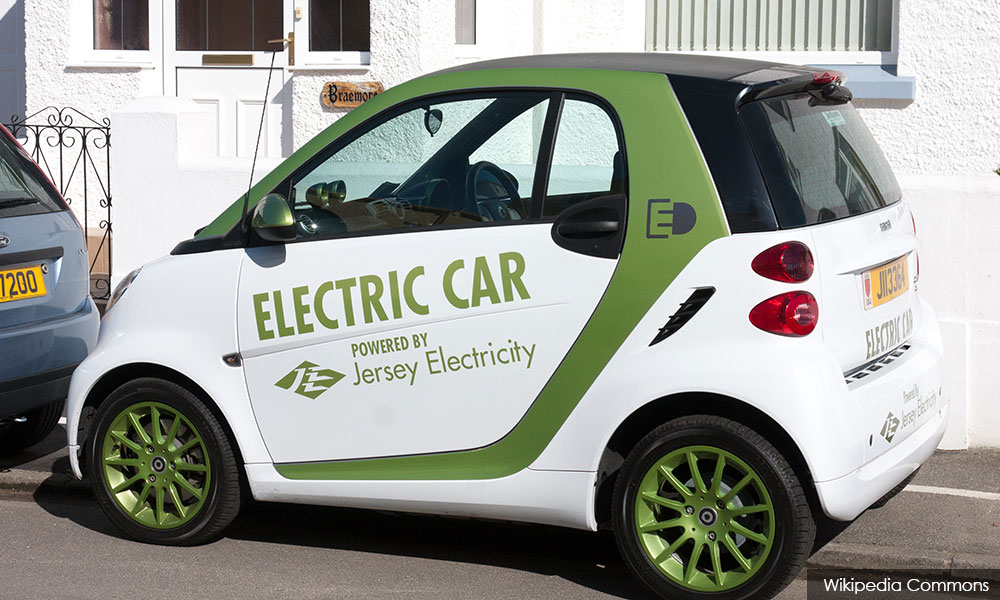
Madani said there is currently a global shortage of these batteries, which are essential in the production of electric and hybrid cars. Both, he said, will be sectors promoted in the next iteration of the National Automotive Policy.
This includes electric buses, which is another area that Marii will be testing this year.
However, existing automobile manufacturers would be interested in the new batteries as well, and it would be a draw for potential investors.
“All the Original Equipment Manufacturers (OEMs) that are producing hybrids in Malaysia would like to localise their batteries, but no one is producing them yet. That is why it is important that we pursue this vision of having this battery-making facility in Malaysia,” he said.
Madani (photo, below) added that Marii has been collaborating with a local listed company on the study for several years, and the company would be licenced to produce the lithium-ion cells.
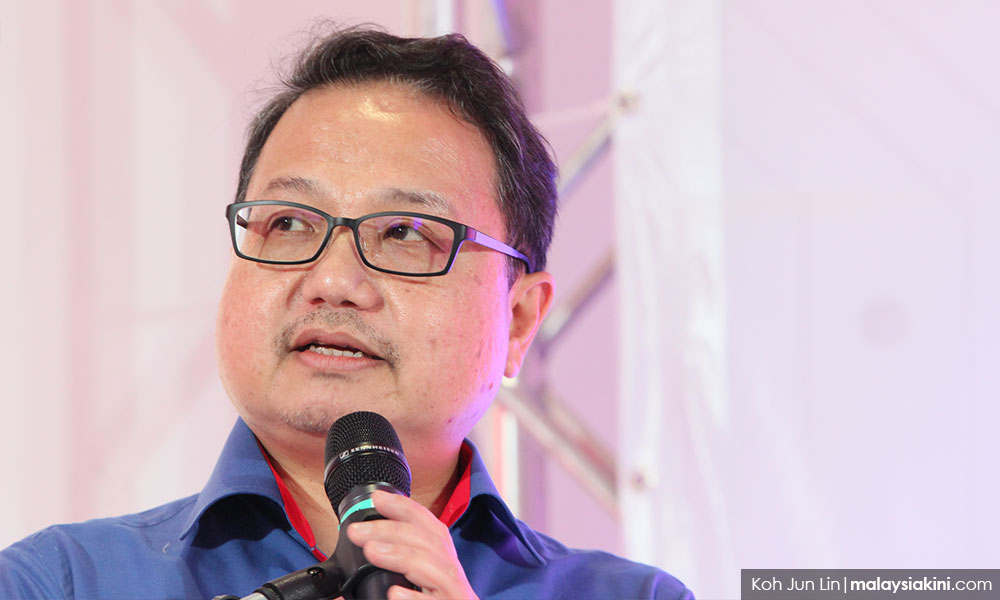
However, he said, he was not at liberty to name the company, unless the company consented.
Marii is a government agency under the purview of the International Trade and Industry Ministry.
On another matter, Madani said Marii is also working on setting up a testbed for autonomous vehicles to ensure that autonomous driving cars that would be introduced on Malaysian roads are suited for Malaysian road conditions.
He said planning would take place during the first half of this year, and Marii has visited similar testing facilities in Singapore, Japan and South Korea.
As for developments over the past year, Madani said the export value of Malaysian-manufactured cars had doubled from RM1.04 billion in 2017 to RM2.08 billion up to November last year. This is expected to increase to RM2.5 billion this year.
The increase is mainly driven by increased exports of higher-end vehicles manufactured by companies such as Mazda and Volvo in Malaysia, he said.
Meanwhile, exports of automobile parts and components have increased from RM11.6 billion in 2017 to RM12.1 billion last year. Marii forecasts that it would increase to RM13.03 billion this year.
These parts and components are primarily vehicle chassis and suspension-related parts, as well as rubber or resin-based components bound for Asean destinations.
As for re-manufactured parts, exports of these have increased from RM516.5 billion to RM523.1 billion between 2017 and 2018, and is expected to reach RM700 billion this year.
Deputy International Trade and Industry Minister Ong Kian Ming said the automobile re-manufactured parts sector is one that the government would give emphasis.
“We have identified this as a potential area of growth, whereby there is a lot of demand, not just in Malaysia, but in the region to make the old new again – cars, trucks, lorries and those kinds of things.
“We do have some domestic capability in Malaysia and this is the area we want to explore further,” Ong said.


Are you sure you want to delete this comment?
This action cannot be undone.