




'Willingness to engage a good indication of M'sia's human rights aspirations'
A visiting Australian human rights commissioner has praised Malaysia's dialogues with other countries on human rights, saying that it indicates the country is fostering its own aspirations.
Chin Tan, the race discrimination commissioner under the Australian Human Rights Commission, described Malaysia's willingness to engage in dialogue as a positive move...
A visiting Australian human rights commissioner has praised Malaysia's dialogues with other countries on human rights, saying that it indicates the country is fostering its own aspirations.
Chin Tan, the race discrimination commissioner under the Australian Human Rights Commission, described Malaysia's willingness to engage in dialogue as a positive move.
"(The visit) was fruitful, because it indicates Malaysia’s aspirations towards human rights and their interests.
"The openness with which we are engaging with Malaysia is a wonderful thing from an international perspective," he said.
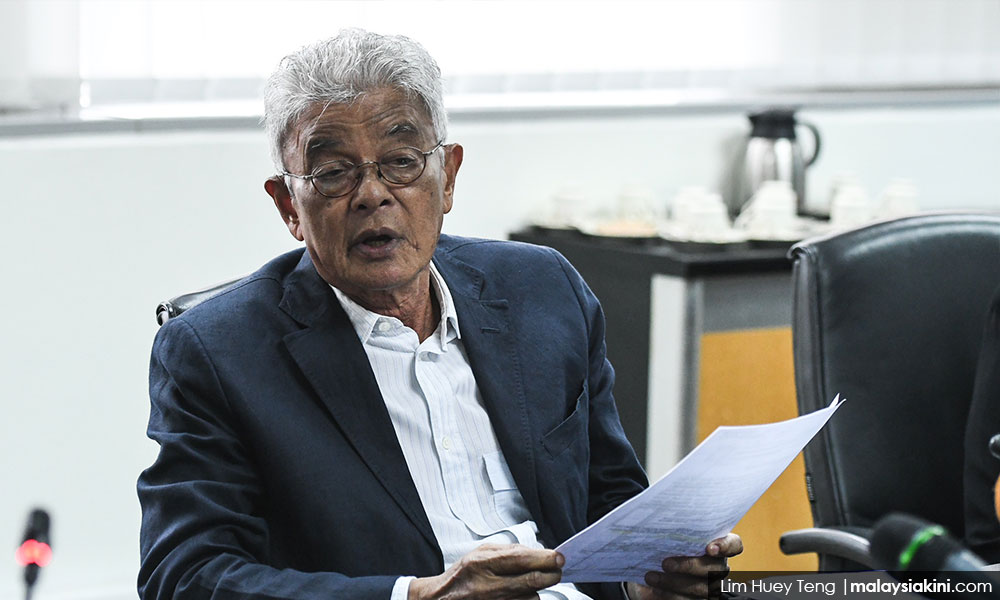
Tan (below) along with Australian Human Rights Commission chief Rosalind Croucher, were speaking to Malaysiakini on their two-day visit to Kuala Lumpur to engage with various stakeholders.
The commissioner said that although his country has had a longer history of adopting human rights protocols, the commonalities between Australia and Malaysia will enable both to learn from each other.

"Malaysia is beginning to start fostering its own human rights aspirations, so I think it will be a good fit to learn from us, to understand lessons about where we got it right and where we haven't.
"I think it is going to be in both our countries' interests to be able to share information, to allow Malaysia to understand how it can better advance those interests," he said.
Harmony bill
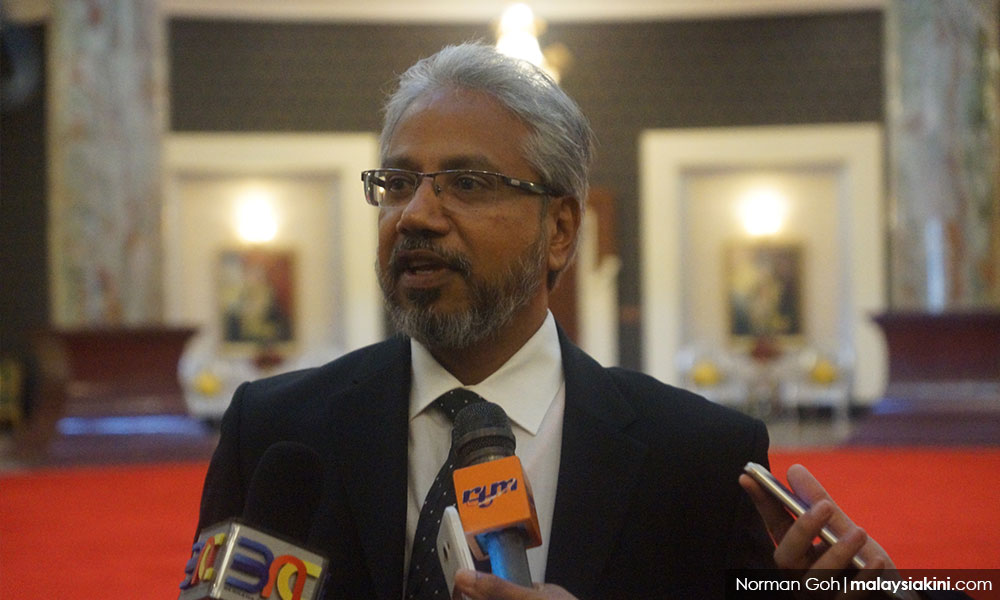
Among the stakeholders the two commissioners met with on their visit include Foreign Minister Saifuddin Abdullah, Minister in the Prime Minister’s Department P Waythamoorthy, and the task force working on the proposed National Harmony Bill.
"We were invited (to come to Malaysia)," Croucher said.
"It was an initiative to have dialogue on issues of mutual interest, to discuss the proposed bill on harmony, and to share our experiences in promoting human rights education and understanding in our country."

Though Australia does not have a direct equivalent to the proposed National Harmony Bill, Croucher (above) pointed out that her country does have a set of anti-discrimination laws which are geared towards equality.
She added that the discourse they have participated in so far has been "very general" in terms of human rights reform.
"The learnings that Australia can bring to the table about how to successfully navigate reform, and the value of consultation based on our experience.
"Those were the kinds of things we spoke about," she noted.
The Australian Human Rights Commission chief stressed that there is no "perfect way" for any country to work towards fulfilling their human rights aspirations, though these are set through common standards in the international community.
"The aspirations are set through the understandings that are expressed through international treaties (on human rights).
"But the aspirations are then made personal in the countries, depending on their context," she explained.




Are you sure you want to delete this comment?
This action cannot be undone.