


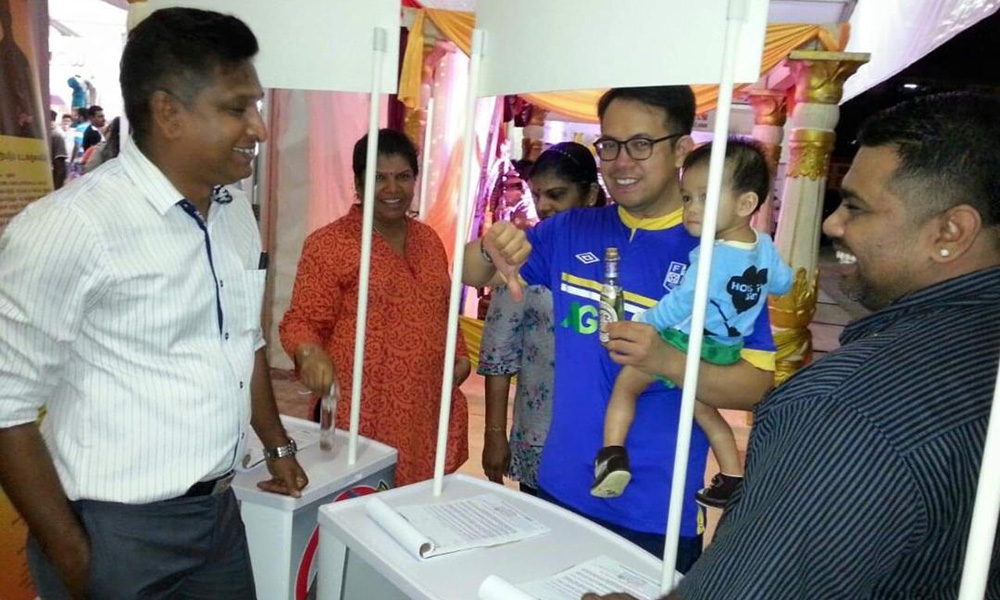

Group plans to rally at Parliament if Putrajaya won't ban cheap liquor
The Malaysian Anti-Cheap Liquor Movement is utterly disappointed that the Health Ministry is not interested in banning or regulating the sale of cheap liquor, which it claims has caused so much misery to society, especially the B40 (lower-income) group.
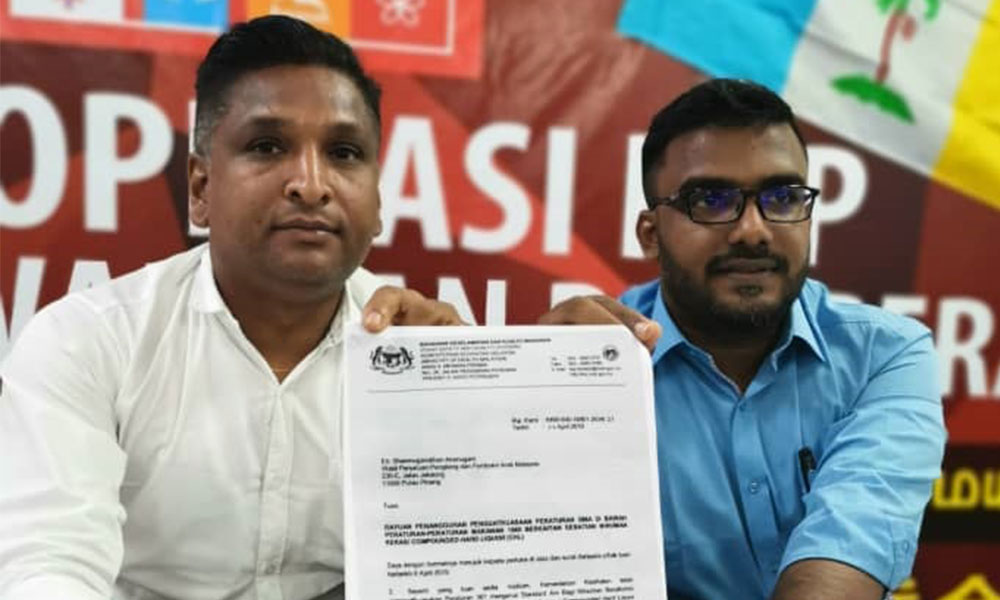
The movement's chief, David Marshel, said the movement will continue to fight until the government bans cheap alcohol or enforces a law to curb its widespread use.
The Malaysian Anti-Cheap Liquor Movement is utterly disappointed that the Health Ministry is not interested in banning or regulating the sale of cheap liquor, which it claims has caused so much misery to society, especially the B40 (lower-income) group.
The movement's chief, David Marshel, said the movement will continue to fight until the government bans cheap alcohol or enforces a law to curb its widespread use.
"We plan to hold a public assembly in Parliament at its next sitting if no action is taken on the issue of cheap liquor.
"We were hoping that the new Pakatan Harapan government would act but it has not happened as we expected," Marshel said.
"Under the new administration, implementation of the regulation (to control the sale of cheap liquor) was postponed twice.
"The latest update is that the Health Ministry has cancelled the move to control the sale of such liquor after an appeal by the sellers and manufacturers," he added.
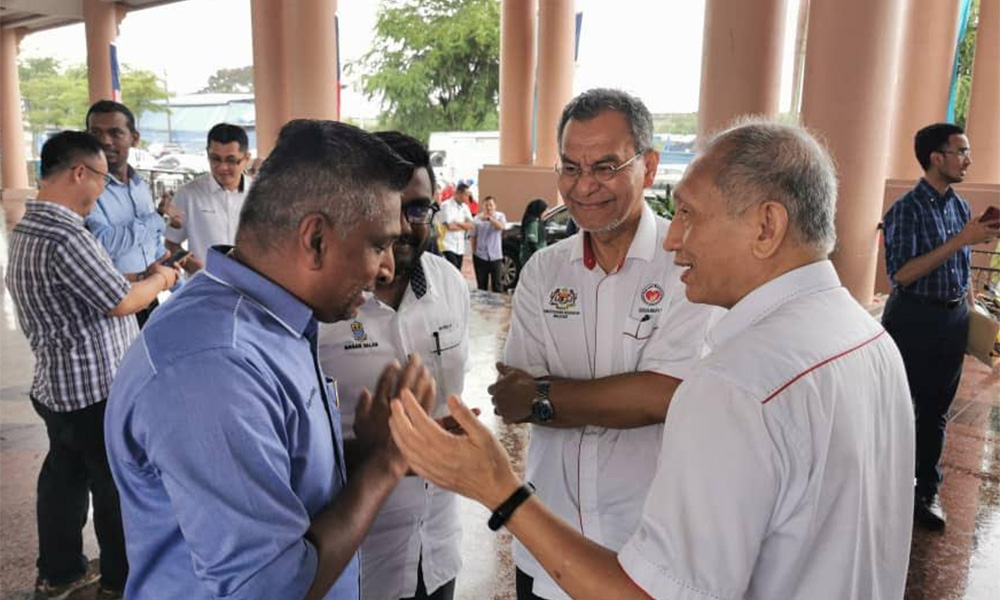
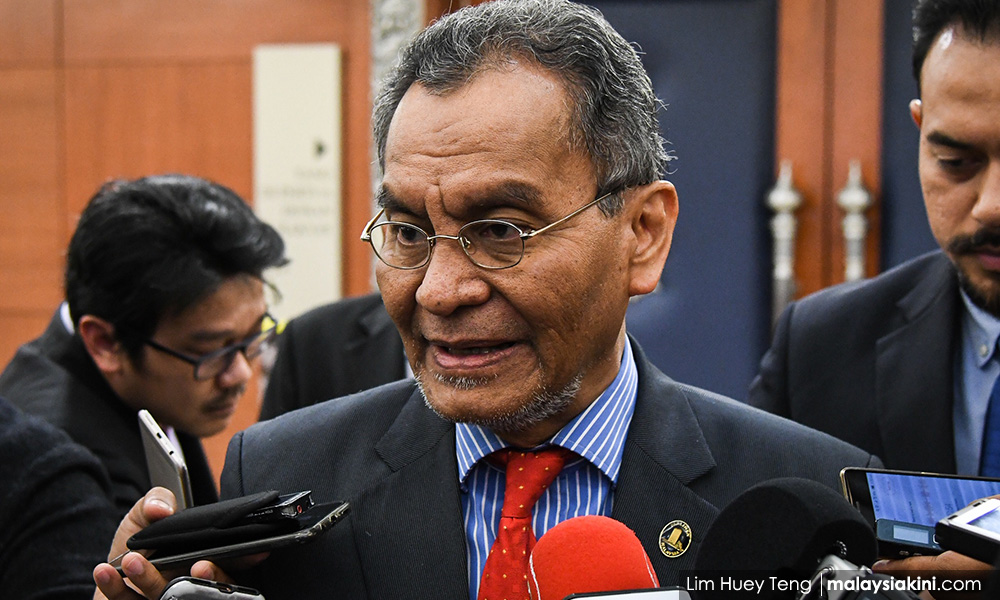
The NGO met Health Minister Dr Dzulkefly Ahmad during a health carnival in Butterworth yesterday.
It raised several issues with him, including the campaign to ban cheap liquor, which was launched in 2014.
The NGO referred to a new regulation under the Food Act 1983 (Amendment 2016) to control the sale of cheap liquor, which was supposed to be implemented on Dec 1, 2017.
However, the enforcement was postponed after an appeal not to enforce the regulation by the liquor manufacturers.
Marshel pointed out that Malaysia has less that 30 liquor manufacturing companies.
"But how could they wield so much influence that the Health Ministry could overturn the decision to enforce the ban?" he asked.
"We are utterly disappointed... It is another big U-turn but this time it affects the lives of the people, especially the poor."
Marshel urged the ministry to show concern for those who may be affected by health complications due to the consumption of cheap liquor.
Almost on a daily basis, there is death due to liver damage, especially at the general hospitals, he noted.
Most of these deaths come from the B40 community and most of the victims are Indians, Marshel claimed.
To tackle the problem, he urged the ministry to set up an alchoholic rehabilitation centre in the various states.
"We hope an in-depth study can be carried out on this serious issue so that proper government policies can be formed, based on the findings."
He cited a case study where there are 100,000 single mothers of Indian origin who were victims of cheap liquor consumption among the B40 group.
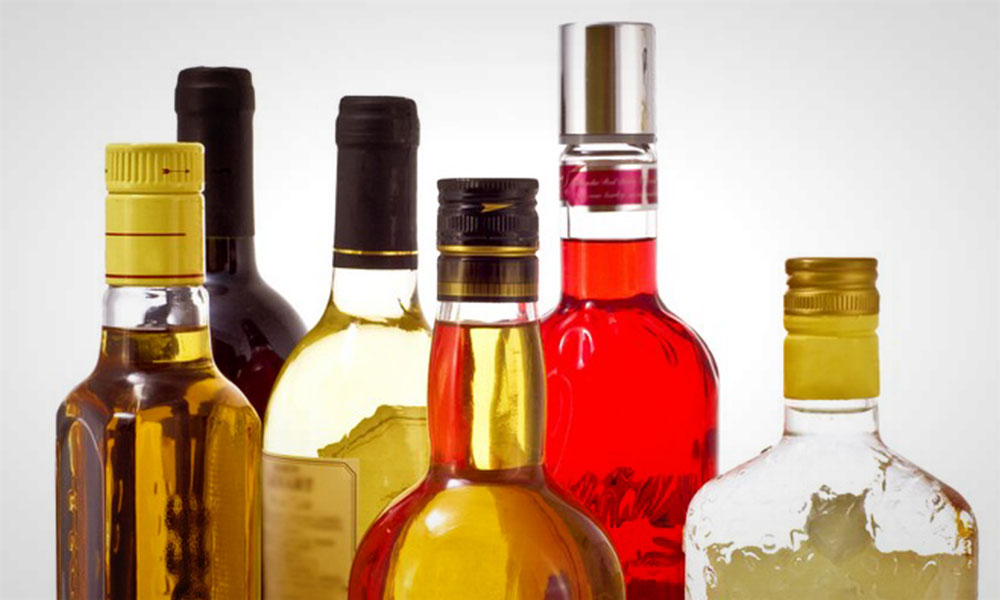
He said schoolchildren, too, were not spared. According to him, about 20 to 30 percent of students start to drink cheap, multi-flavoured liquor for between RM5 to RM30 per bottle sold in sundry shops.
Marshel said only licensed premises should be allowed to sell alcohol.
"Currently, thousands of liquor licences were issued so that shops can sell alcohol together with other general necessities.
"Youths can buy them without the knowledge of their parents, the public or the authorities.
"We urge the government not to seek only financial gain from the liquor licence fee but also to look at the health of those who consume alcohol," he added.
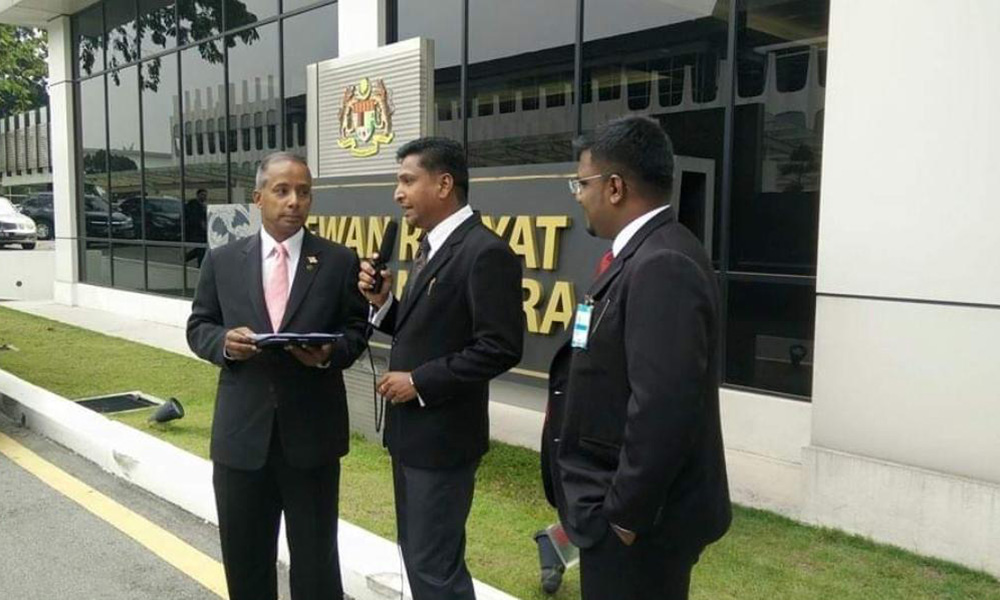
Marshel pointed out that the Home Ministry was told to amend Section 510 of the Penal Code under which a person who is intoxicated and causes public nuisance, can be prosecuted, punished and fined not more than RM25.
He said Section 510 needs to be updated immediately.
"We recommend that the fines and imprisonment under Section 510 be increased to RM5,000 and a two-year jail term be imposed on any person who drinks alcohol in a public place, such as a field or playground, without the approval of the local authority," he said.
He also asked the Finance Ministry to raise the sales tax and lower the ceiling on the sale of liquor and cheap alcohol so that none with alcohol content of 12 to 48 percent can be sold at below RM30.
Marshel said the Harapan government has made a number of promises in the GE14 manifesto, one of which is to improve the quality of life of the B40, especially the Indian community, which is struggling with various social problems.
"But it still allows the sale of cheap liquor, which can pose various social problems in the daily life of the B40 community," he said.
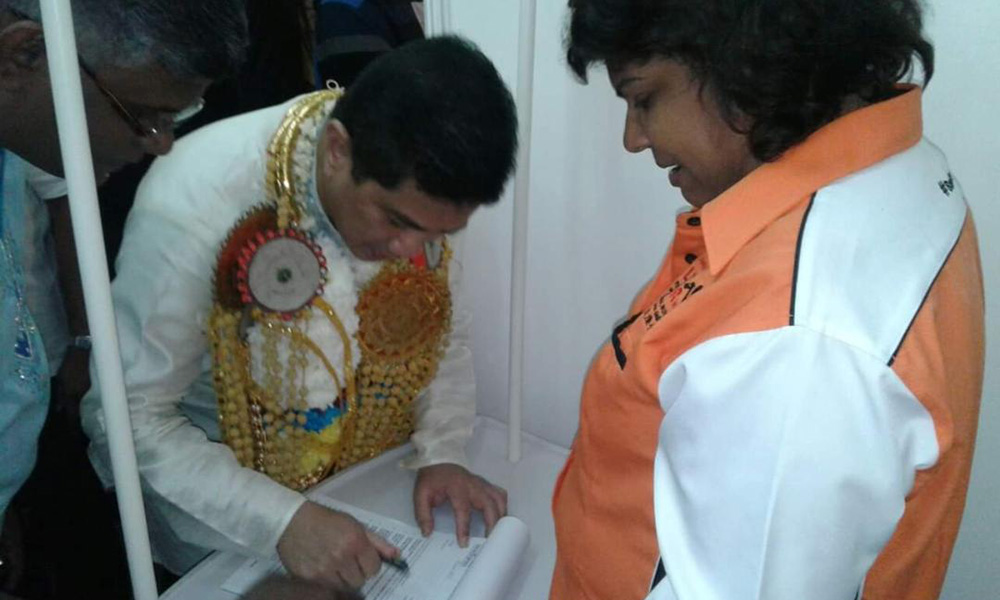
"Many leaders and MPs now serving as ministers supported our movement and signed a petition for the prohibition of cheap alcohol, but no action has been taken so far," he said.
"During the BN era, some opposition MPs voiced their support in Parliament, but now have no voice to ban cheap liquor," Marshel lamented.


Report this comment
Are you sure you want to delete this comment?
This action cannot be undone.