



Activists, ministry seek automatic citizenship for overseas-born kids of M'sian women
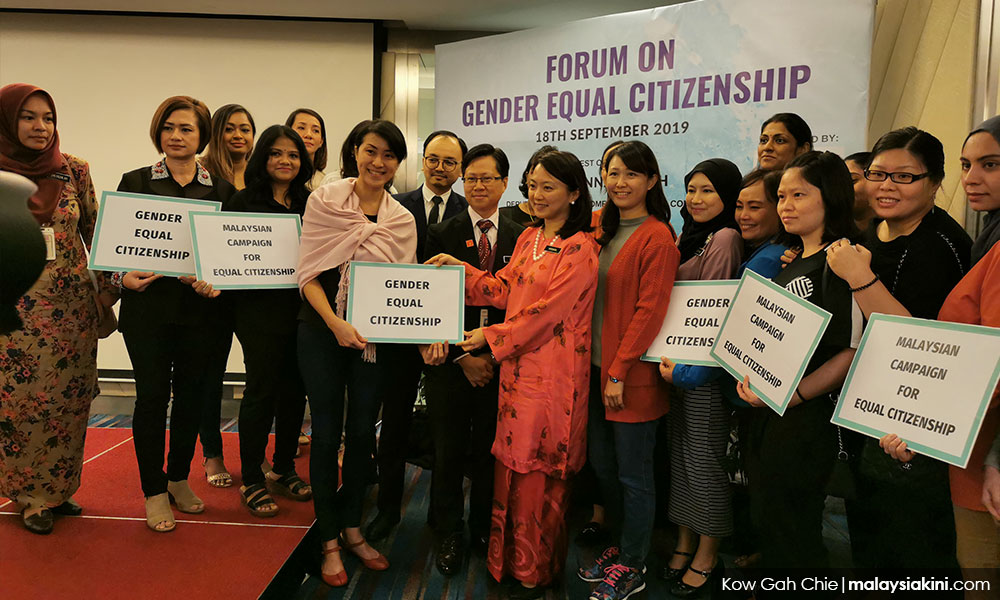
A campaign has been launched to demand equal rights for Malaysian women to confer citizenship on children born overseas by amending the Federal Constitution.
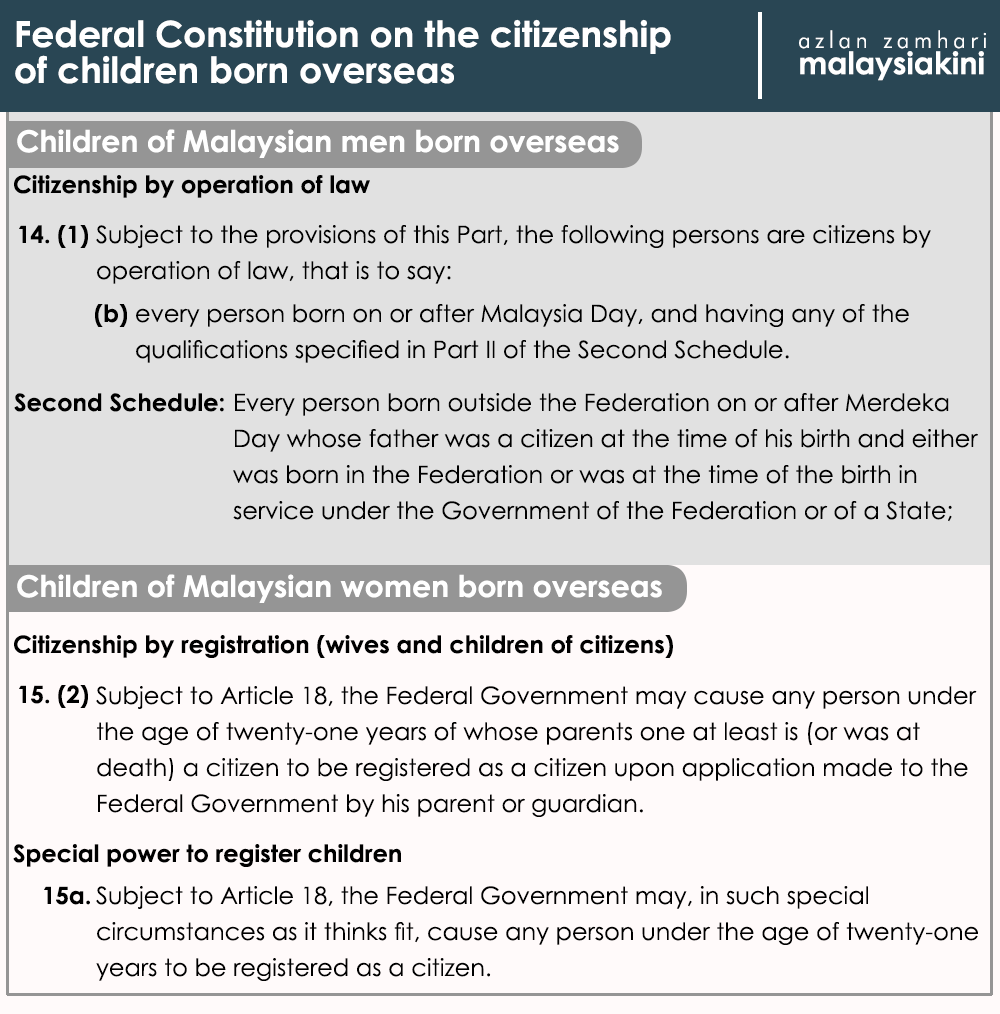
Bina Ramanand, co-ordinator of the Malaysian Campaign for Equal Citizenship, said Article 14 of the Federal Constitution allows Malaysian men to pass on citizenship to their children born overseas, with approval being obtained within a month of applying for citizenship...
A campaign has been launched to demand equal rights for Malaysian women to confer citizenship on children born overseas by amending the Federal Constitution.
Bina Ramanand, co-ordinator of the Malaysian Campaign for Equal Citizenship, said Article 14 of the Federal Constitution allows Malaysian men to pass on citizenship to their children born overseas, with approval being obtained within a month of applying for citizenship.
Meanwhile, Malaysian women with foreign spouses have to apply for their children’s citizenship under a different provision - Article 15 (2) of the Federal Constitution, according to Bina.
Some women had waited more than two years to obtain citizenship for their children, while others had their application rejected without a reason, she told a forum on gender-equal citizenship.
The forum also saw the launch of a video by the campaign, which highlighted the plight faced by Malaysian women in obtaining citizenship for their children born overseas.
Those who reapplied for Malaysian citizenship for their children after being unsuccessful the first time around were often rejected yet again without a reason being given, said Bina.
"These mothers are waiting overseas waiting (to bring their children) home," she lamented.
She urged the government to amend Article 14 of the Constitution by replace the word "father" with "at least one parent", in order to grant Malaysian women the same rights as Malaysian men.
"The children of Malaysian women who are born overseas should have the right to citizenship by the operation of law on an equal basis with the children of Malaysian men.[…]
"Malaysia should not be left behind," she said, noting that the country was among 25 which denied women equal rights to pass on citizenship to their children.
Bina said the bureaucratic challenges faced by women in applying for citizenship for their children were among the reasons for Malaysia’s brain drain.
"Many Malaysians living overseas were married overseas. They met their spouses while working and they wanted to return (home). Malaysia continues to lose its precious talent due to this bureaucratic process, it needs to be changed," she said.
"The government needs to reverse these policies to make it more friendly to Malaysian women," said Bina.
The four-month old campaign is led by the Foreign Spouses Support Group, a member of the Joint Action Group for Gender Equality (JAG) which has the backing of 14 women’s right groups.
Women's rights activist Ivy Josiah, who is also the consultant and co-ordinator of the campaign said the unequal provisions were the outcome of the patriarchal ideology that women should follow their husbands.
"The reality is that this is no longer true as there are international marriages and women are working and studying overseas. It is outdated and no longer relevant," said Ivy.
She said she will request a meeting with Home Minister Muhyiddin Yassin to follow up on the matter.
Seeking Home Ministry’s help
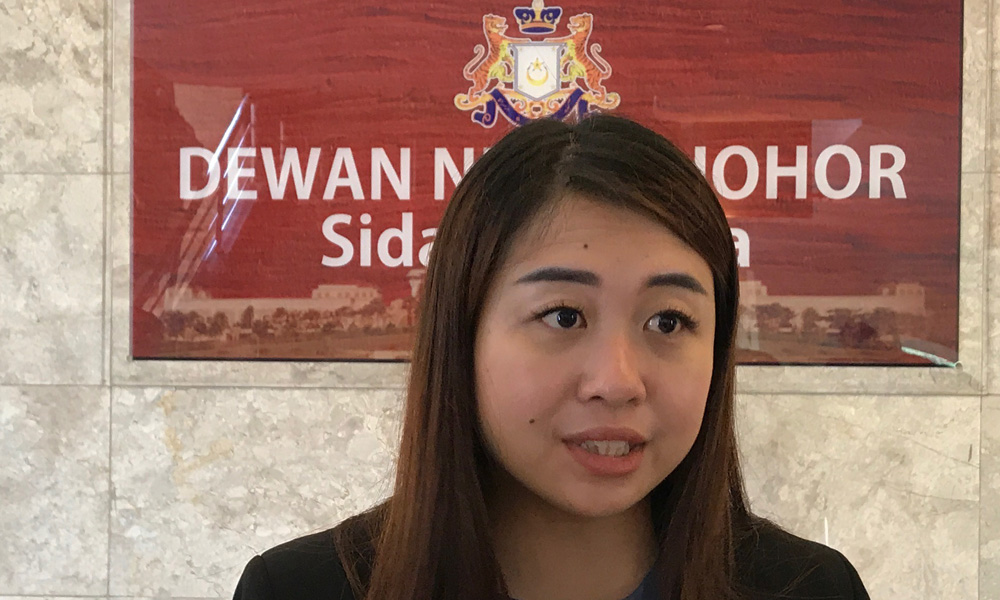
Also present was Deputy Women, Family and Community Development Minister Hannah Yeoh, who told some 20 Malaysian women who had faced difficulties with citizenship applications for their children about ongoing efforts by Putrajaya to rectify the problem.
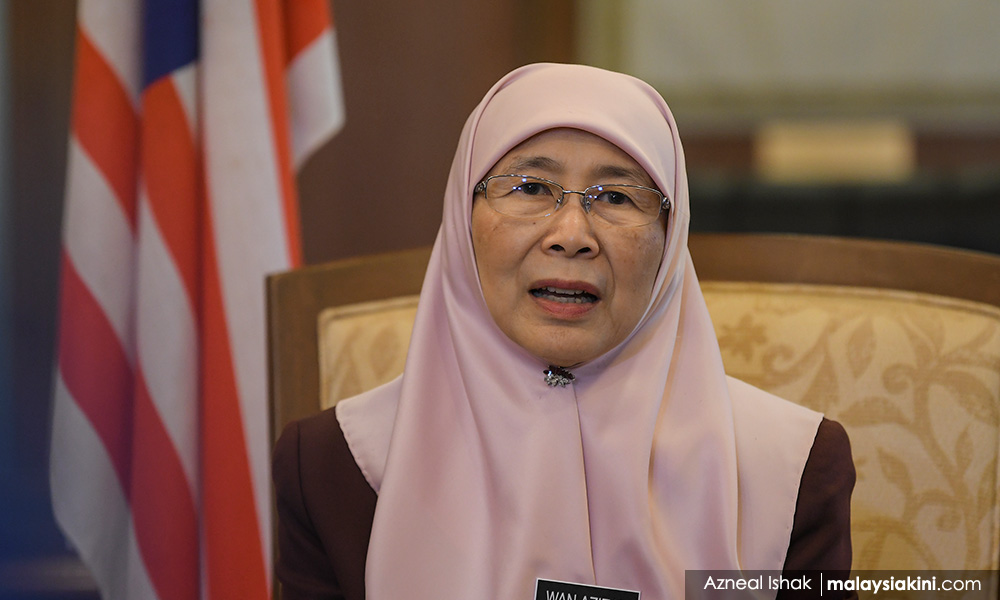
According to Yeoh, Deputy Prime Minister Dr Wan Azizah Wan Ismail and Foreign Affairs Minister Saifuddin Abdullah had written to the Home Ministry in April to ask the latter to make some laws friendlier to families and children.
Wan Azizah is also women, family and community development minister.
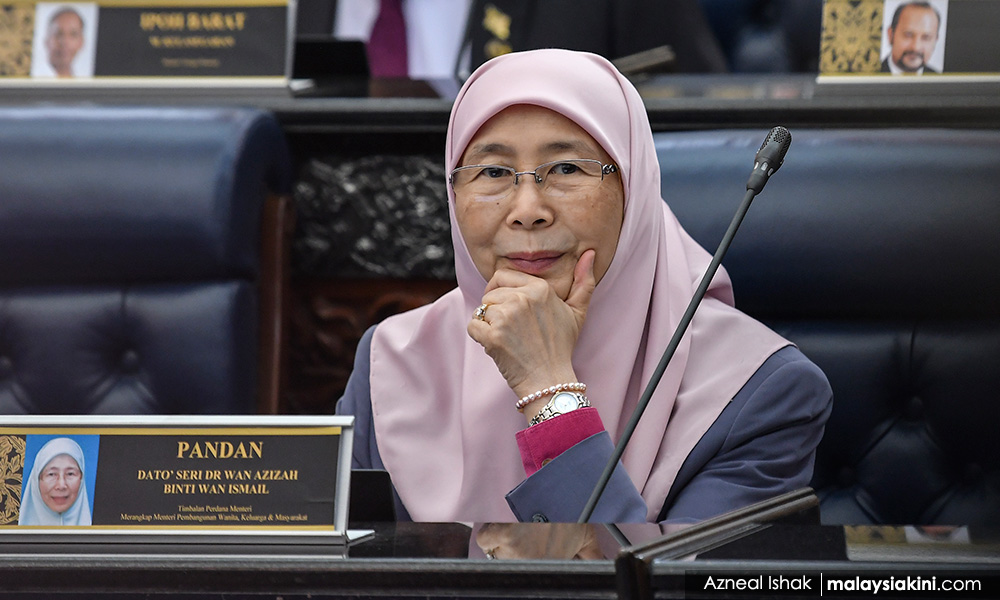
One of the five issues raised by Wan Azizah’s ministry as well as the Foreign Affairs Ministry was that of automatic citizenship for overseas-born children of Malaysian women.
"Currently, a Malaysian man can pass citizenship to his child but a Malaysian woman has to apply for it.
"Since it (citizenship for Malaysian women’s overseas-born children) is not automatic and not granted as a right, you have to apply and you give the agency the power to reject (the application). So, that's why we are saying it should be automatic," added Yeoh.
"Why should I be discriminated (against) simply because I wear a dress?" asked Yeoh.
Beside that, Yeoh said the Home Ministry had been asked to allow the use of DNA as conclusive evidence for citizenship approval.
"We asked the Home Ministry to prioritise citizenship application for (abandoned) babies under the care of the Welfare Department.
The ministries also want the Home Ministry to grant automatic citizenship to adopted children after adults have obtained a court order to become the child’s legal parents, she said.
Yeoh also urged the Home Ministry to furnish the reason for its rejection of citizenship applications.
She added that her ministry is committed to continue pursuing these matters with the Home Ministry, which she claimed had responded positively to these demands.
"They said they will review (the Federal Constitution), so we are waiting and we are quite positive," added Yeoh, who is also Segambut MP.
Statistics unknown
Yeoh and the women's rights advocacy group said they do not have statistics regarding women who faced difficulties in applying for citizenship for children born overseas.

However, the group said these Malaysian women with children born overseas were among other Malaysians who applied for citizenship under both Article 15(2) and Article 15A of the Federal Constitution.
According to a parliamentary reply, Deputy Home Minister Azis Jamman said the government had rejected 26,222 out of 111,142 citizenship applications between 2013 and 2018.
From the 26,222 rejected applications, a total of 4,959 applications were made under Article 15(2) of the Federal Constitution, while 10,149 applications were made under Article 15A of the Federal Constitution.
Azis also said a total of 27,835 citizenship applications were still being processed.



Are you sure you want to delete this comment?
This action cannot be undone.