


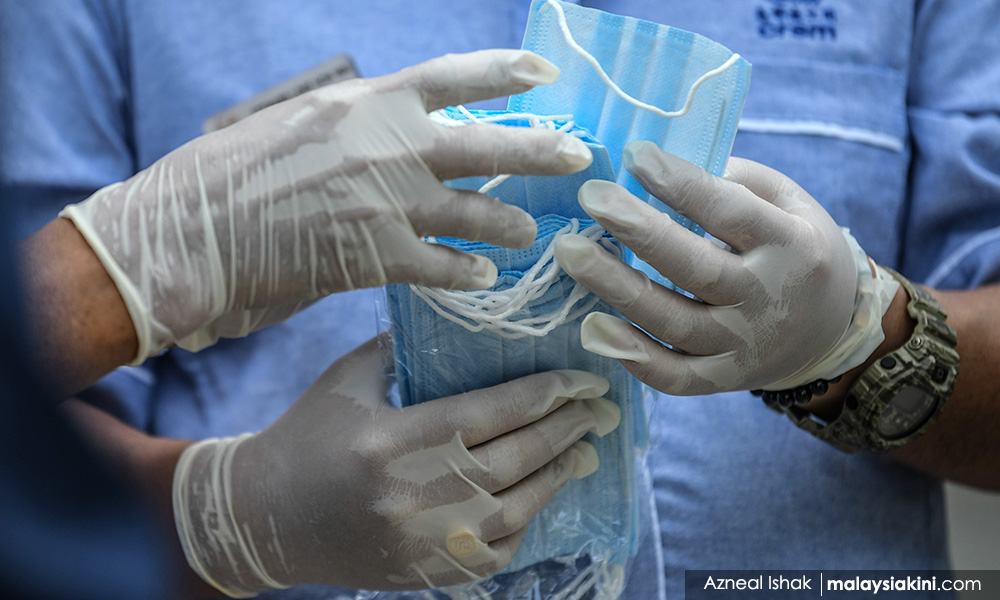

Are face masks mandatory? Public in dilemma over conflicting instructions
CORONAVIRUS | As the nation grapples with the spread of the Covid-19 outbreak, authorities cannot seem to agree on whether the use of face masks by the public should be made mandatory or not.
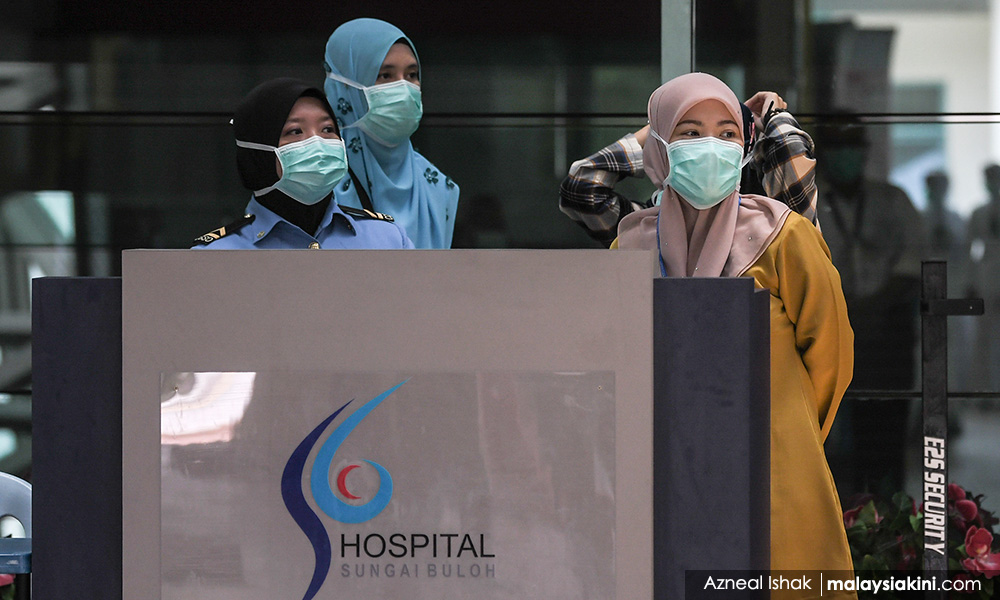
This is in spite of the fact many quarters have expressed concern over the limited supply or shortage of face masks throughout the country, especially for frontline staff battling the disease...
CORONAVIRUS | As the nation grapples with the spread of the Covid-19 outbreak, the authorities cannot seem to agree on whether the use of face masks by the public should be made mandatory or not.
This is in spite of the fact many quarters have expressed concern over the limited supply or shortage of face masks throughout the country, especially for frontline staff battling the disease.
To date, the Health Ministry and the National Security Council (NSC) - the main authorities overseeing the nation’s crisis management - as well as various local governments, have issued seemingly conflicting instructions on the matter.
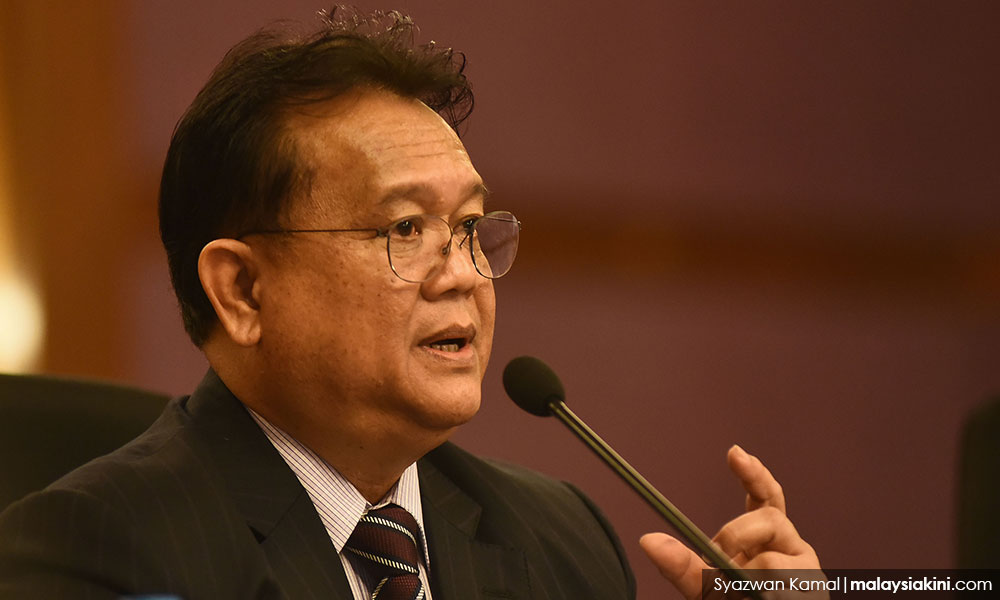
Yesterday, Health Ministry director-general Dr Noor Hisham Abdullah announced that members of the public need not wear face masks unless they display symptoms of Covid-19, such as flu or cough.
“I would like to emphasise here again, face masks are to protect healthcare workers when they are dealing with patients.
“In public, you do not need to wear face masks unless you have symptoms of runny nose or cough, so it is not necessary for us to wear face masks, unless there is an indication for you to wear face masks,” Noor Hisham stated during an official press conference.
He was asked to comment on complaints by netizens on being barred entry from various premises including supermarkets for not wearing a face mask.
However, the NSC’s advisory called for face masks to be worn whenever visiting such places.
Market, supermarkets, grocery and sundry stores, as well as other businesses offering essential services are permitted to open during the duration of the movement control order from March 18 to 31.
However, various states and local governments have begun issuing differing notices on working hours, face mask usage and other requirements for the duration of this period.
In Kuala Lumpur, a compliance notice issued in the name of Kuala Lumpur mayor Nor Hisham Ahmad Dahlan stated that all workers, visitors, shoppers and suppliers must wear face masks and maintain the social distance of one metre.
This applies until March 31 when the movement control order currently expires.
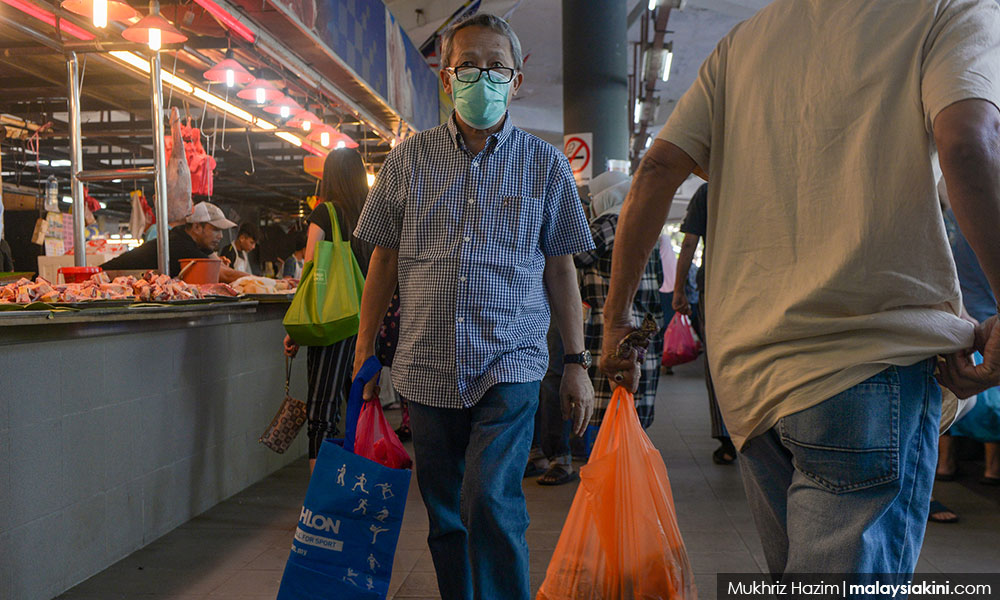
"The owner/manager/proprietor of groceries, restaurants and markets is responsible for the maintenance of social distancing.
The notice said action would be taken under the Local Government Act 1976 to shut down the premises if these instructions were not followed
Similarly, a notice issued by Alor Setar mayor Mohd Zohdi Haji Saad gave the same instructions that the use of face masks and social distancing were compulsory.
This notice added that all workers, visitors, shoppers and suppliers must also have hand sanitisers ready for use.
Neither notice, however, addressed the issue of the supply of face masks, and many netizens have gone on to the Kuala Lumpur City Hall (DBKL) Facebook page to voice their objections saying that the instructions are not fair or practical due to a shortage of face masks.
Opposition Lembah Pantai MP Fahmi Fadzil also took to social media to request DBKL reconsider the face mask directive following the Noor Hisham's statement.
The shortage of face masks in the domestic market led to the government to ban international exports of the item and enable the product to be imported. Putrajaya also raised the ceiling price of three-ply masks from RM0.80 to RM2.
However, following complaints, the Perikatan Nasional government then said it will review the price hike as it could have been too high.
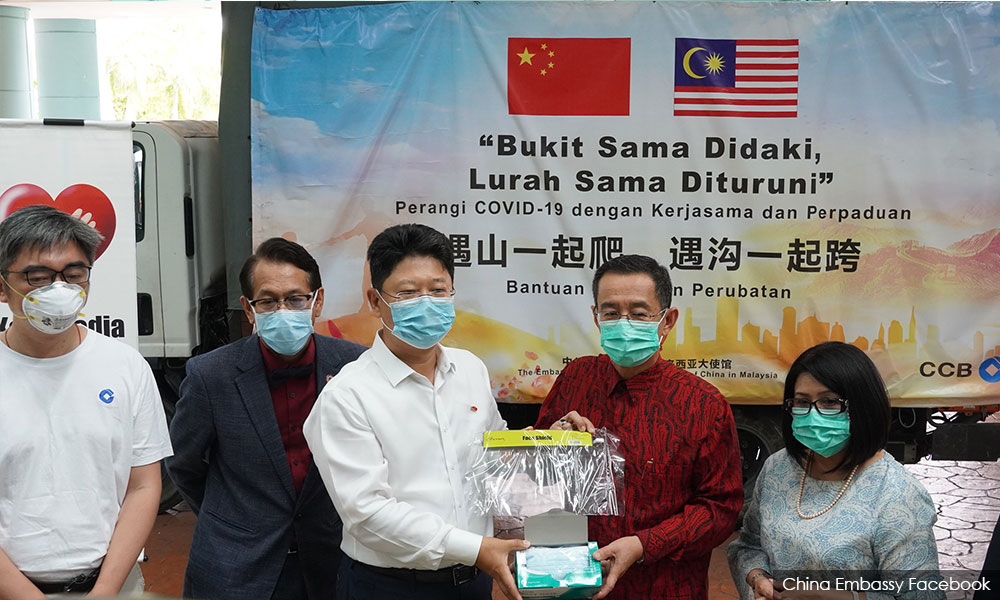
There were also calls for the 10 million face masks sold by China to be distributed free to first healthcare workers on the frontline and then to the public.
This is after the government said it would prioritise distributing the masks from China to the frontliners on duty, while leftovers will be accessible to the public via the open market.
Meanwhile, local healthcare workers are improvising by making their own personal protective equipment such as headcovers.


Report this comment
Are you sure you want to delete this comment?
This action cannot be undone.