



Anifah Aman: Sabah should reconsider palm oil sector closure order
CORONAVIRUS | Former foreign minister Anifah Aman urged the Sabah government to reconsider its extension of closure order against palm oil plantations and factory operations in the state during the movement control order (MCO) period.
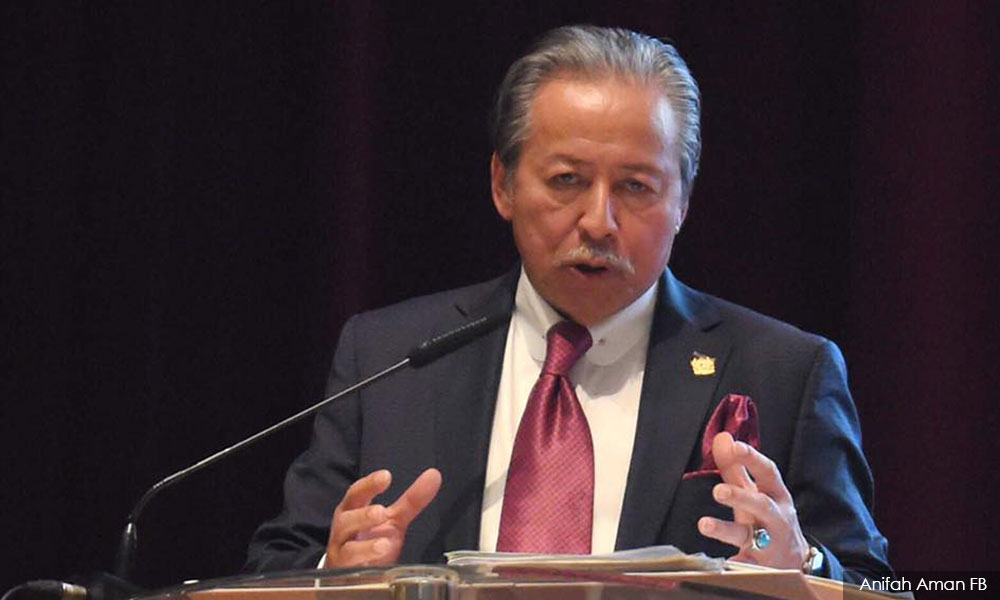
Having served as deputy plantation industries and commodity minister from 1999 until 2008, Anifah (photo) said while he understood that the Sabah government is thinking about the safety and health of its people, he cautioned that safety without prosperity would also bring problems.
CORONAVIRUS | Former foreign minister Anifah Aman urged the Sabah government to reconsider its extension of closure order against palm oil plantations and factory operations in the state during the movement control order (MCO) period.
Having served as deputy plantation industries and commodity minister from 1999 until 2008, Anifah (photo) said while he understood that the Sabah government is thinking about the safety and health of its people, he cautioned that safety without prosperity would also bring problems.
The former Kimanis MP said without prosperity, the people would not be able to take steps to prevent themselves from suffering pressures that can contribute to the deterioration of health, such as emotional problems caused by financial difficulties.
“This happens when people lose jobs as well as their livelihoods when employers could not pay their wages due to the current economic situation, where they are not allowed to operate to produce products like cooking oil for example.
“This causes employers to be unable to pay workers and basic food sources like cooking oil will be derived from palm oil plantations. Hence, factories would also decrease.
“There is a high probability that the crime rate will increase if the economic situation continues and the people lose their source of income,” he said.
Pointing to the federal government allowing agricultural and fisheries activities to continue operating during the MCO, Anifah said the Sabah government should emulate this and allow plantations and factories to operate during this period while ensuring that anti-Covid-19 measures like social distancing and wearing the appropriate gear, among others.
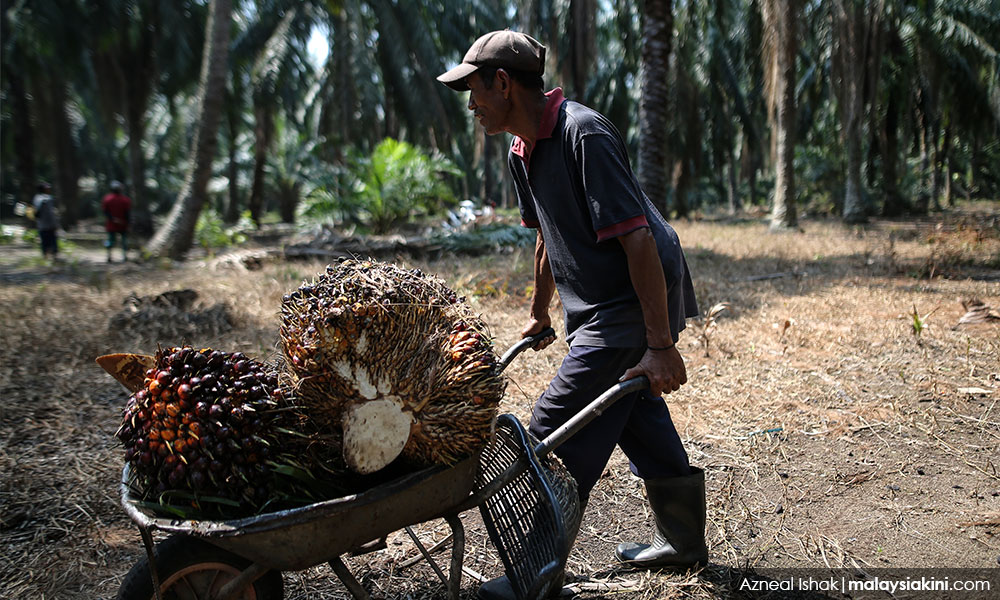
He said the state government needs to consider this as it receives about RM1 billion in revenue from the palm oil sector, which can help fulfil not only the basic needs of the people but also boost the state’s economy during the Covid-19 pandemic.
“Do not let there be a situation where the sector could no longer contribute. Then the Sabah government would use the excuse of no money to lessen the aid given to the people when there is still a way that can be implemented that could help Sabah’s economy,” Anifah said.
“Therefore, I urge the Sabah government to reconsider its decision to extend the closure of palm oil plantations and factories for the sake of the welfare of the people,” he said.
“Do not let it get to a point that people die not due to Covid-19 but due to hunger,” Anifah warned.
On March 24, it was reported that Sabah, which is Malaysia’s largest palm oil-producing state, told plantations in three districts to close down due to several workers testing positive for Covid-19.
Since then, calls arose for the Sabah government to allow the resumption of the oil palm sector’s operations, with the Malaysian Palm Oil Association and the Malaysian Estate Owners’ Association calling on the Sabah government to allow oil palm plantations and factories to resume operations.
Keep up with the latest information on the outbreak in the country with Malaysiakini's free Covid-19 tracker.
Malaysiakini is providing free access to the most important updates on the coronavirus pandemic. You can find them here.
Help keep independent media alive - subscribe to Malaysiakini.





Report this comment
Are you sure you want to delete this comment?
This action cannot be undone.