


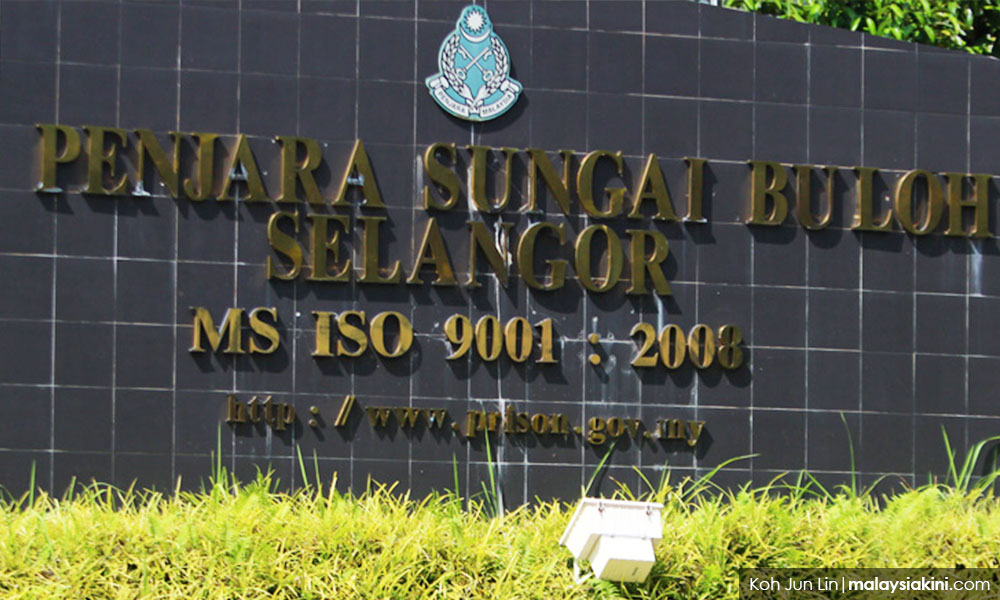

Inmate with Covid-19 triggers screening for 1,500 at Sg Buloh prison
CORONAVIRUS | A total of 1,500 individuals from the Sungai Buloh prison, consisting of staff and prisoners, will undergo Covid-19 screening after an inmate there was confirmed positive for the coronavirus.
Health Ministry director-general Dr Noor Hisham Abdullah said the prisoner, who is a foreign citizen, had been in there since 2016, but he did leave the prison on March 13, and has been moved to the Semenyih Immigration depot after contracting the disease.
CORONAVIRUS | A total of 1,500 individuals from the Sungai Buloh prison, consisting of staff and prisoners, will undergo Covid-19 screening after an inmate there was confirmed positive for the coronavirus.
Health Ministry director-general Dr Noor Hisham Abdullah said the prisoner, who is a foreign citizen, had been in the prison since 2016 but was released on March 13, and was later moved to the Semenyih immigration depot after contracting the disease.
“Now we are looking at the prisoner’s close contacts and we will also screen them if they were exposed to the prisoner.
“The Gombak District Health Office will screen not just the close contacts, but 700 staff and 800 prisoners from the prison as well,” he said at the ministry's daily press conference today.
Malaysiakini is currently seeking further clarification from the director-general on this matter.
Noor Hisham later clarified with Malaysiakini that the prisoner, who is Canadian of Sri Lankan descent, was convicted at the end of May and was moved to the Semenyih immigration depot as he was planned for deportation.
As part of the new standard operating procedure (SOP), all new detainees to the depots must be screened for Covid-19, he said.
“The new ruling is all prisoners must be tested first for Covid-19 as a requirement before being detained at the immigration depot.
“He was found to be positive for Covid-19 and was sent to Maeps for isolation and treatment.”
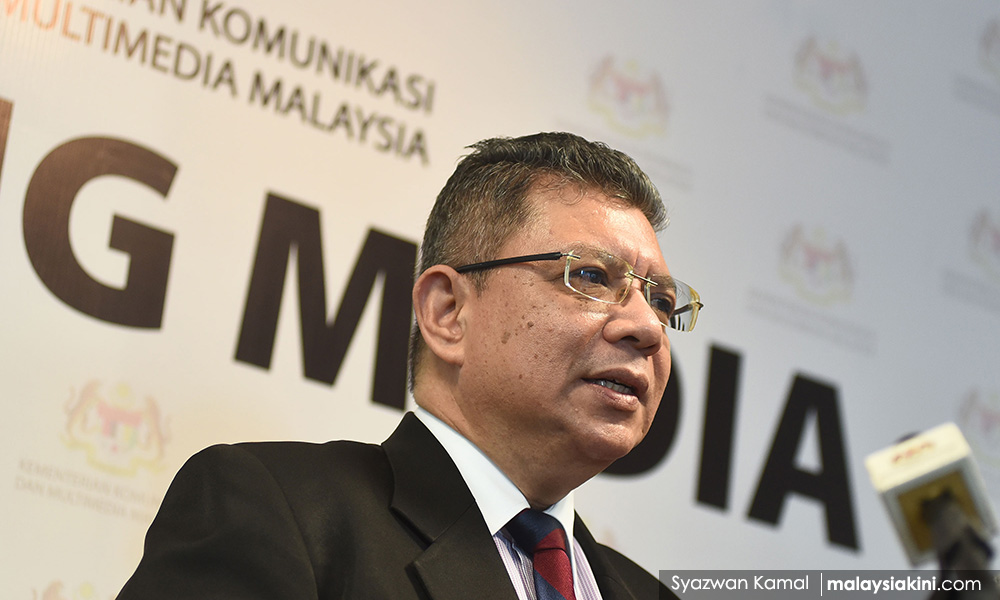
During the prisoner’s stay at the Sungai Buloh prison, he was placed in a cell with a total of eight to 10 people, Noor Hisham (below) added.
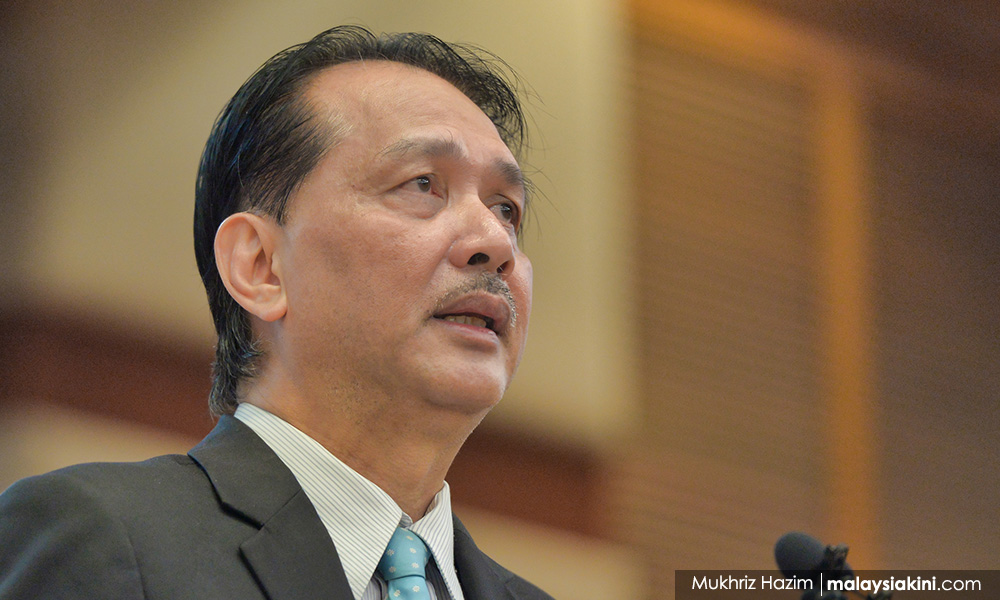
The director-general also said they have been doing Covid-19 surveillance since January with the peak being in April.
The surveillance for influenza-like illnesses and severe acute respiratory infections has been reduced, but he pointed to their pre-operation surveillance, where their detection rate is only 0.1 percent.
Meanwhile, their incidence rate for community surveillance is only 0.4 to 0.8 percent. These figures are very low, he said.
“In other words, we are actually looking into local transmission cases, perhaps there will be sporadic cases, but again, we are trying to track where the exposure came from and so on.
“If we can contain such cases, then rest assured we can break the chain of infection. This is an ongoing process,” he said.
Noor Hisham also spoke about the ministry’s efforts in screening old folks homes, saying that the incidence rate is also very low at 0.2 percent.
However, he said they have noticed that one of the factors for infections within old folks homes is the movement of caretakers or personnel who are coming in and out of the premises.
“The caretakers or personnel coming in and out of old folks home, or even the prison, are the ones with the potential to bring the infection in because the old folks are not going anywhere, they are confined to the home, but sometimes the caretakers may not realise they have the infections,” Noor Hisham said.
He said the ministry will continue to do surveillance and perhaps in the future, the ministry will also do a community survey in immunity to see how many among the population has been exposed to Covid-19.


Report this comment
Are you sure you want to delete this comment?
This action cannot be undone.