


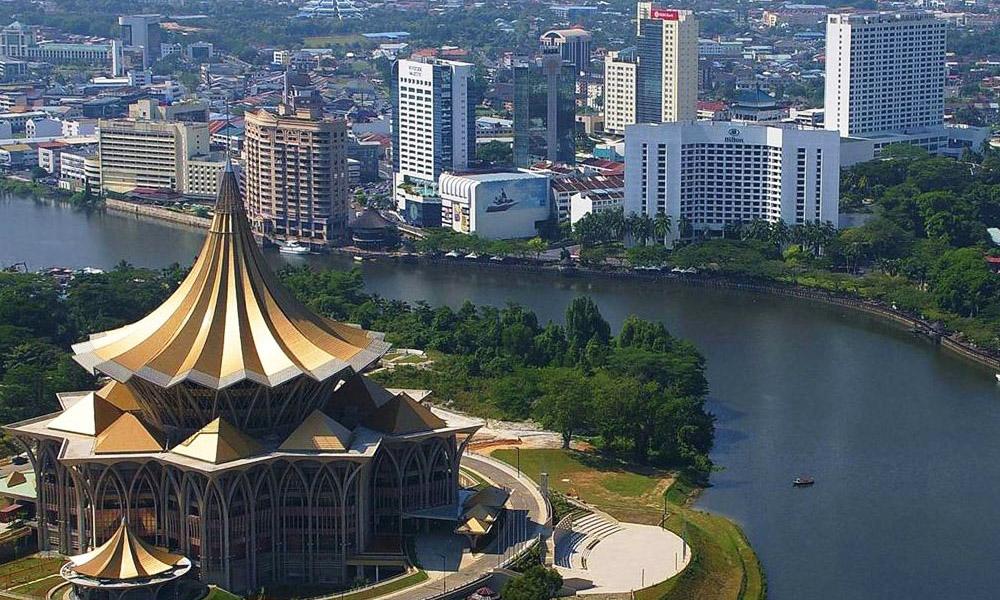

Sarawak must admit own failings instead of blaming Putrajaya - MTUC
On the occasion on Sarawak Independence Day, state MTUC secretary Andrew Lo has reminded the state's political leadership to look at their own failings instead of solely blaming the federal government for the state lagging behind.
"Lately there has been a lot of resentment towards Putrajaya for what many perceive as unfair treatment by KL. Most point to the oil royalty issue and lack of development funds.
"Sarawakians do have legitimate rights to want more control over our oil money. We empathise with some of these gripes and I agree Putrajaya has a lot...
On the occasion on Sarawak Independence Day, state MTUC secretary Andrew Lo has reminded the state's political leadership to look at their own failings instead of solely blaming the federal government for the state lagging behind.
"Lately there has been a lot of resentment towards Putrajaya for what many perceive as unfair treatment by KL. Most point to the oil royalty issue and lack of development funds.
"Sarawakians do have legitimate rights to want more control over our oil money. We empathise with some of these gripes and I agree Putrajaya has a lot to answer for but is it just the fault of Putrajaya?
"Is it also safe to say that our leaders in the past have failed to do their job?" Lo asked in a statement released yesterday.
While Sarawak joined with Sabah, Singapore and Malaya to form the Federation of Malaysia on Sept 16, 1963, the state was granted independent self-rule earlier on July 22, 1963.
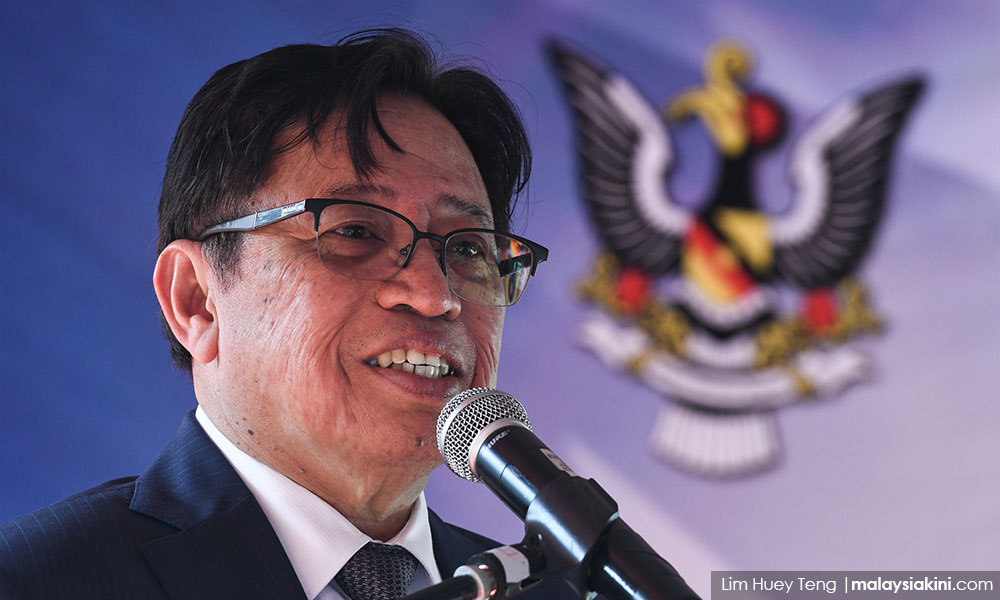
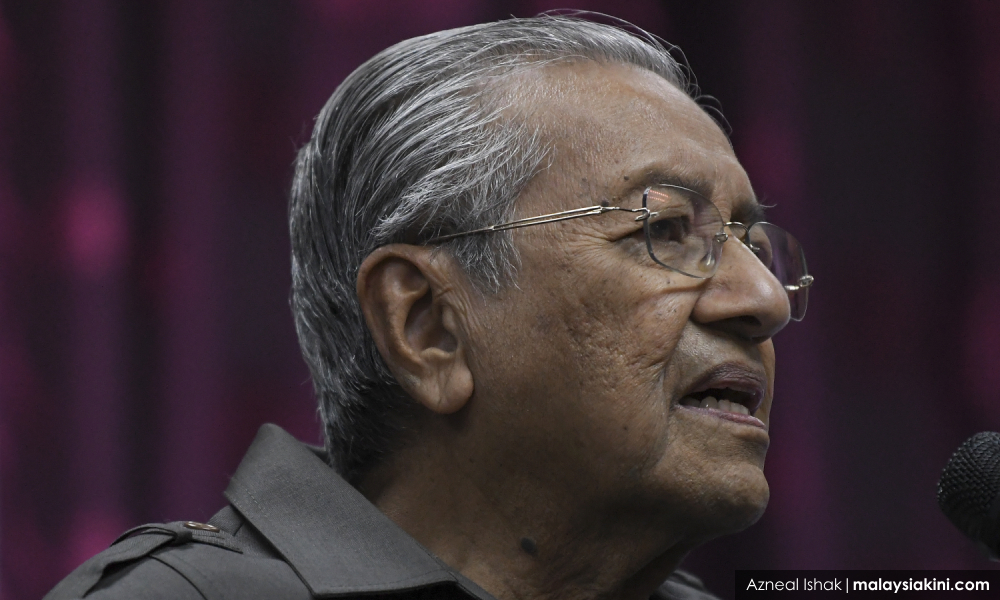
Lo cited Sarawak Chief Minister Abang Johari Openg's (above)call for both Sarawak and Sabah to get one-third of the parliamentary seats
"Everyone suddenly becomes a champion of the Malaysian Agreement (MA63) that gave birth to the formation of Malaysia.
"I do not wish to get into a debate on the legalities of MA63, but what I want to say is that our forefathers made a conscious decision to be part of Malaysia for better or for worse," said Lo, who is also the chief executive officer of the Sarawak Bank Employees Union.
"When we complain about the unfair allocation of development funds, we should also question the allocation of developments within Sarawak.
"Why did we build the coastal road with so many mega bridges to open up more land for oil palm and ignore the Pan-Borneo Highway until recently? Even that is not enough as we now want a second trunk road," he said, referring to the highway project that was first mooted in the 1970s but has yet to see full completion.
"The state BN/GPS is riding on the autonomy tide but they are glossing over the structural and governance issues plaguing our state for so many decades.
"All Sarawakians must realise that if these real issues are not tackled, any extra revenue will end up in a handful of connected people and to finance grandiose projects," Lo added.
He said that greater autonomy must mean greater responsibility and accountability.
"The track record of the state government in matters where we already have full autonomy – land, labour and immigration – does not give any confidence," he claimed.
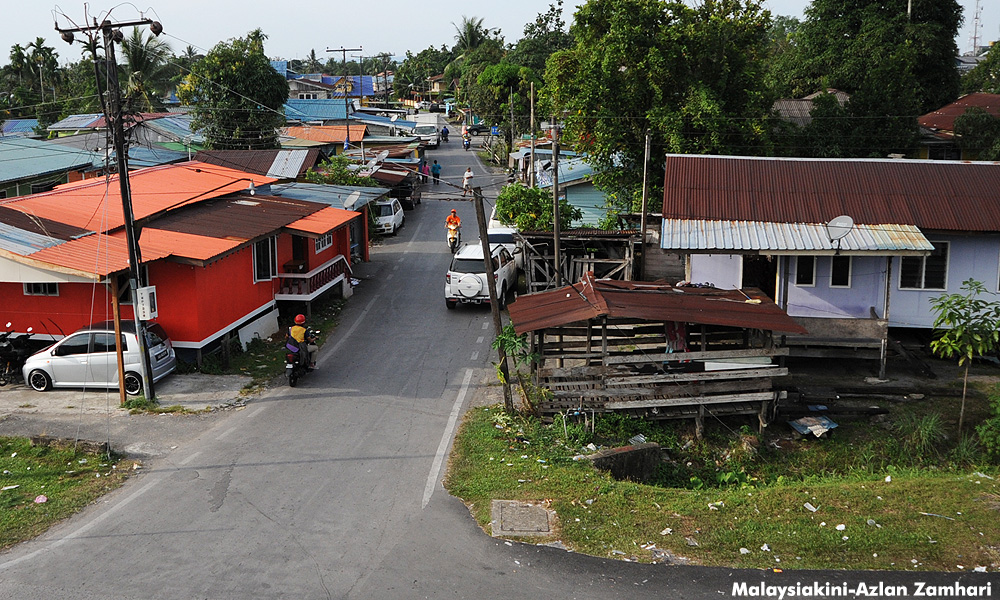
"We have so many land-grab issues, not just native customary land taken for oil palm plantations, but beachfront land and ex-government quarters demolished for condominiums and commercial shophouses.
"On labour, Sarawak stopped the federal Employment Act. As a result, it was only after almost 50 years that the hopelessly outdated Sarawak Labour Ordinance was amended to provide basic rights for workers," added Lo, who accused the Sarawak administration of wanting to widen the minimum wage gap between the state and the rest of the country.
"We don’t even have any state minister in charge of human resources.
"We want a bigger share of the oil and gas revenue yet do nothing about the sharing of the timber wealth which is controlled by big timber companies, who are vehemently opposed to minimum wage."
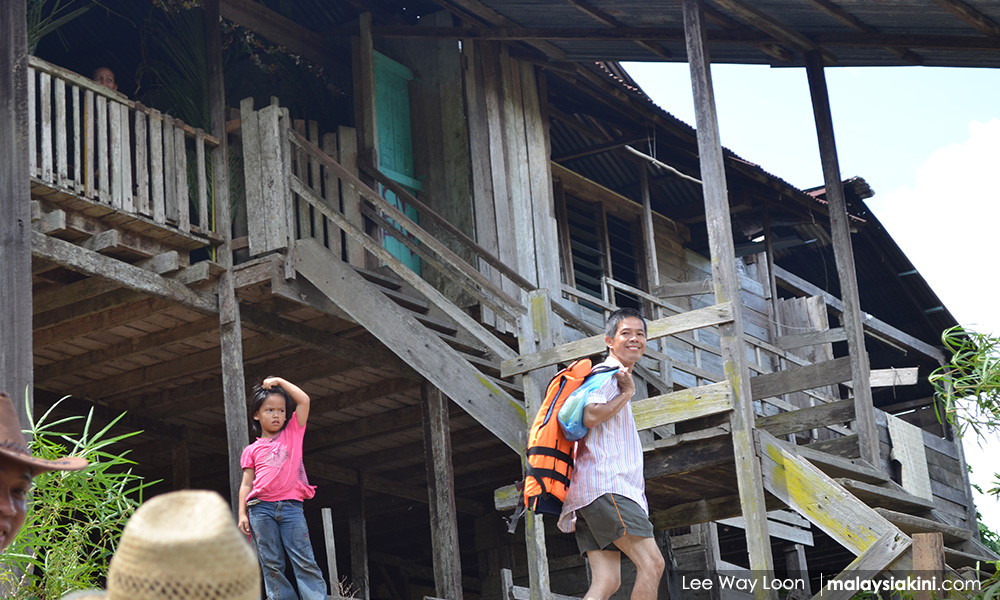
Lo claimed that areas like Kapit and Song and the interior, where billions of ringgit worth of timber have been processed over many years, remain the poorest and the most under-developed regions of Sarawak.
"Furthermore, our state-controlled immigration is only effective in picking up and deporting unfriendly political opponents but seems to let in tens of thousands of illegal workers, hawkers and traders.
"I can’t help but be very sceptical of this Sarawak for Sarawakians movement. It appears to be a ruse to grab more wealth for the rich and connected Sarawakians and businesses.
"While I can see why we aspire to self-determination and autonomy – I am concerned that a lot of Sarawakians are caught up in the hype without really appreciating the real issues.
"We even have people driving around with colonial-era flags! Do we want to be a colony again?" he asked.
The priority must be to improve the integrity, reduce corruption and to ensure that wealth is equitably shared with the ordinary people of Sarawak, Lo added.



Report this comment
Are you sure you want to delete this comment?
This action cannot be undone.