




Filmmaker Hidayah confronts past in gripping documentary Ayahku, Dr G
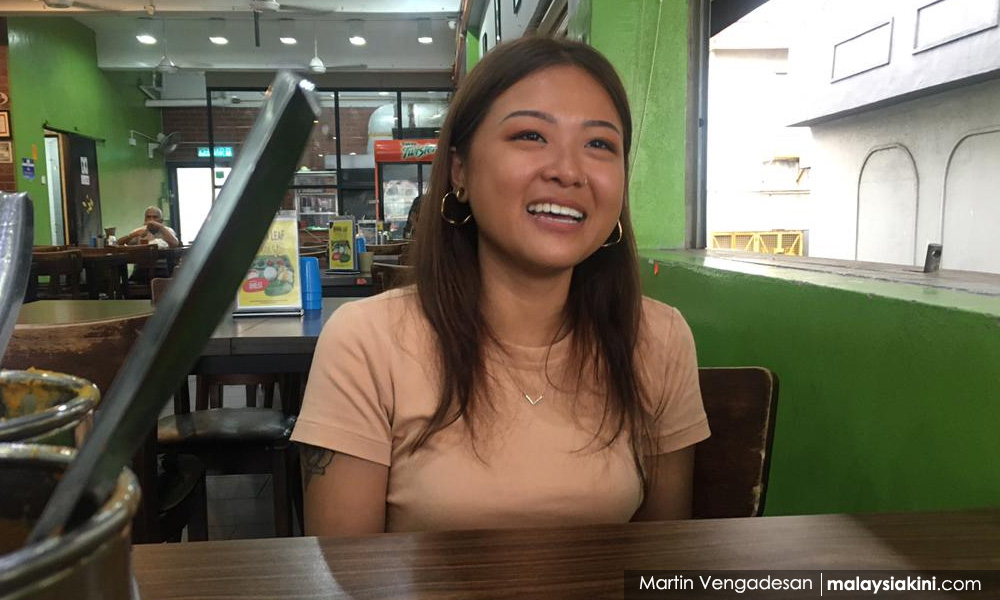
MALAYSIANSKINI | When filmmaker Hidayah Hisham was nine, she was told that her father had left on a trip to India. What she didn’t know was that she would not see him again for the next three years of her childhood.
“Even though they were saying my dad was in India, I was definitely missing him.
“I definitely started suspecting something was wrong in the sense that there were no messages and letters from him,” said Hidayah in a phone interview with Malaysiakini.
In reality, Hidayah’s father was being detained at the Sungai Buloh prison while he faced the possibility of being executed under the criminal charge Section 39(b) of the Dangerous Drugs Act 1952 - which prescribes the death penalty as punishment for possessing over 200g or more of cannabis.
Fifteen years later, the 25-year-old filmmaker would find herself encountering the same legal process her parents did when she began work as the director of the documentary Ayahku, Dr G at the start of the pandemic last year.
A lonely struggle
Ayahku, Dr G may at first glance appear to be...
MALAYSIANSKINI | When filmmaker Hidayah Hisham was nine, she was told that her father had left on a trip to India. What she didn’t know was that she would not see him again for the next three years of her childhood.
“Even though they were saying my dad was in India, I was definitely missing him.
“I definitely started suspecting something was wrong in the sense that there were no messages and letters from him,” said Hidayah in a phone interview with Malaysiakini.
In reality, Hidayah’s father was being detained at the Sungai Buloh prison while he faced the possibility of being executed under the criminal charge Section 39(b) of the Dangerous Drugs Act 1952 - which prescribes the death penalty as punishment for possessing over 200g or more of cannabis.
Fifteen years later, the 25-year-old filmmaker would find herself encountering the same legal process her parents did when she began work as the director of the documentary Ayahku, Dr G at the start of the pandemic last year.
A lonely struggle
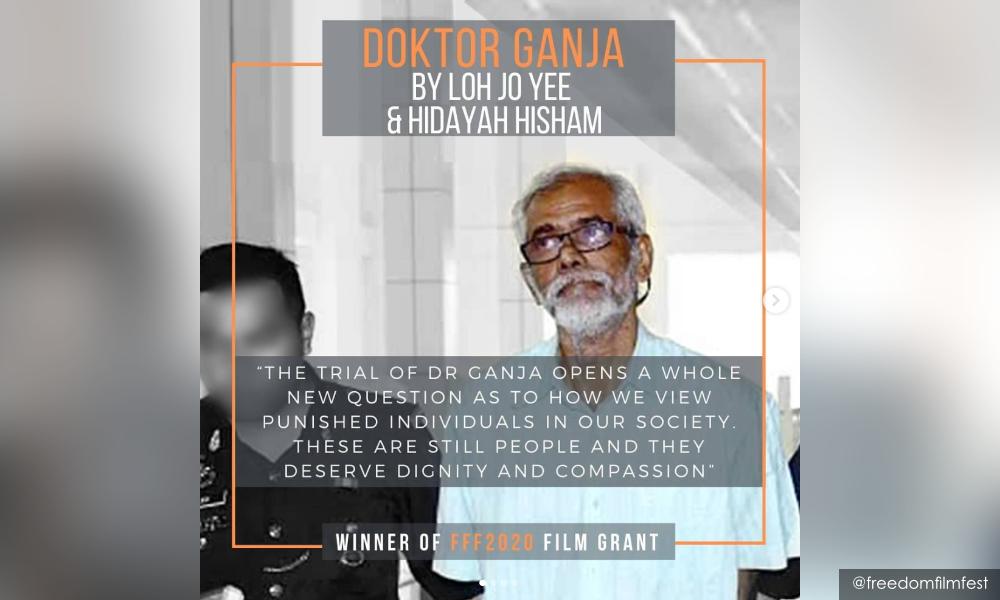
Ayahku, Dr G may at first glance appear to be a documentary about the use of medical marijuana. At the heart of the film is 62-year-old army veteran Amiruddin @ Nadarajan Abdullah (known as Dr Ganja).
Amiruddin was caught using medical marijuana to treat his cancer diagnosis and charged with Section 39(b) of the Dangerous Drugs Act 1952.
However, the documentary more closely follows the struggle of his daughter Siti as she tries to keep up with the seemingly never-ending world of court hearings and prison visits with her father.
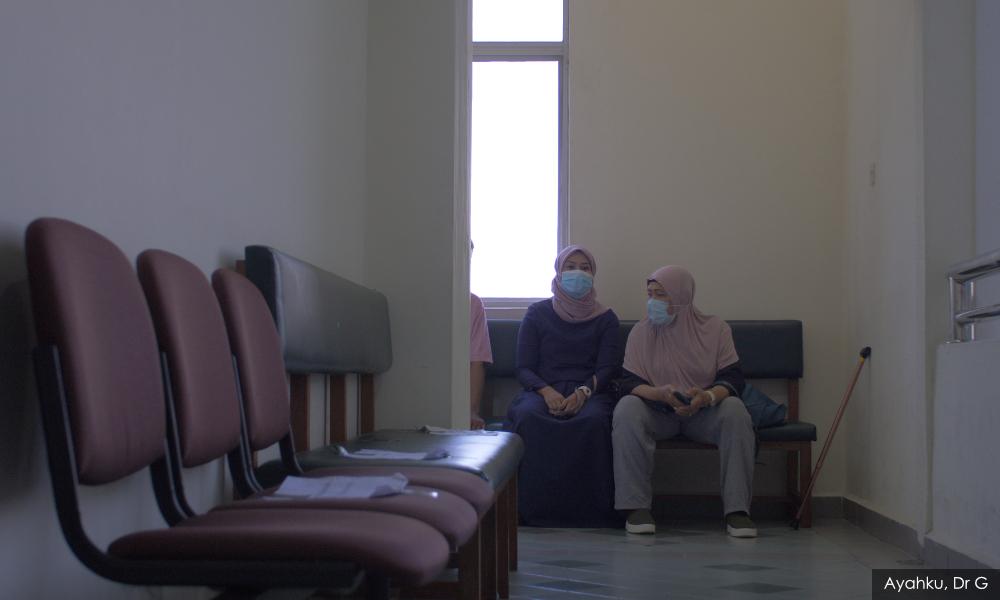
In the process of filming the documentary, Hidayah said she and fellow filmmakers Loh Jo Yee and Dominique Teoh were able to build a friendship with Siti, whose journey had parallels to the experiences of Hidayah’s own mother.
“Similar to Siti, all of her weekends for that period of her life were dedicated to visiting my dad in Sungai Buloh.
“Back then, they didn’t have Waze so it was really hard for her to get to Sungai Buloh prison all the way from Puchong and there was always the shame and fear (to ask for help),” Hidayah said.
With her visits to see her husband kept under wraps from everyone, Hidayah’s mother was forced to make the trips on her own - similar to Siti who used to drive alone from Negeri Sembilan to Sungai Buloh.
These days, the filmmakers often keep Siti company on her commute to see her father in prison and even tag along on other outings such as hiking trips around Kuala Pilah, immersing themselves in her world and grief as friends instead of being mere voyeurs.
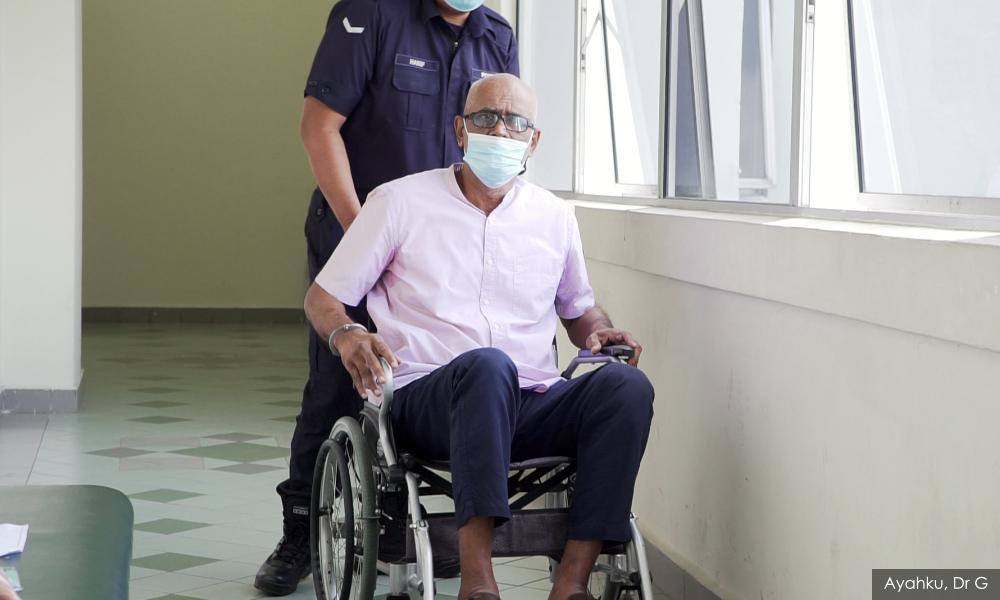
However, Amiruddin’s deteriorating health in prison remains a cause of concern for Siti, as he has been battling cancer while in custody and has only one functioning kidney.
Amiruddin has spent four years in prison since 2017, but he has not yet been found guilty of the charges he faces due to the lengthy legal process.
The death penalty - fatally flawed?
Last December, Malaysia voted in favour of the resolution calling for a death penalty moratorium at the United Nations General Assembly (UNGA).
A vast majority of the United Nations’ 193 member states have either abolished the death penalty or no longer practice it - with Sierra Leone repealing the death sentence as recently as two weeks ago.
In 2018, the then Pakatan Harapan federal government announced that a death penalty moratorium for drug trafficking charges was to be put in place, with plans to review capital punishment for all offences that stipulate the punishment.
However, as things stand, the death penalty is still mandatory for 11 criminal offences.
As of February 2019, 1,281 individuals were reported to be on death row in the country, with 73 percent having been convicted of drug trafficking under Section 39(b) of the Dangerous Drugs Act.
The Act - which Amiruddin and Hidayah’s father were charged under - was established in 1952 to combat the threat of drug-related substances.
Initially, the Act itself did not entail the death penalty until 1975 when capital punishment was introduced as a discretionary penalty for drug traffickers.
This punishment was later made mandatory in 1983, with Malaysia’s drug laws being at one point considered one of the harshest in the world.
However, from 2010 onwards, a movement to abolish the death penalty emerged, receiving support from ministers and politicians alike.
Most notably, former law minister Nazri Aziz said, “If it is wrong to take someone’s life, then the government should not do it either.”
That being said, he also made it clear that the death penalty could not be abolished without public support.
Last year, think tank The Centre found that 60 percent of Malaysians felt the death penalty is necessary for society, with roughly 71 percent of Malaysians believing in the idea of “an eye for an eye”.
This is despite the fact that many facing the death penalty are there for marijuana-related offences – a drug that has been decriminalised in many other countries.

Questions also persist about the integrity of evidence gathered in the criminal justice system given reports of suspects being beaten and evidence manipulation.
With the country’s unstable political climate and rare sittings of the Dewan Rakyat, the issue has yet to be resolved, leaving many stuck in death row limbo.
One example would be the case of former death row inmate Muhammad Lukman Mohamad, who was sentenced to death in August 2018 by the Shah Alam High Court under the Dangerous Drugs Act for possessing, processing, and distributing cannabis oil.
He was providing the oil to those suffering from illnesses such as cancer.
At the time, several lawmakers such as Permatang Pauh MP Nurul Izzah Anwar and Kuala Langat MP Dr Xavier Jayakumar were sympathetic to Lukman’s plight, with then prime minister Dr Mahathir Mohamad calling for a review of Lukman’s case.
The call was supported by members of the Pakatan Harapan cabinet such as then de facto law minister, the late Liew Vui Keong, and then health minister Dzulkefly Ahmad.
Lukman’s conviction on two counts of drug trafficking was later set aside by a three-member Federal Court bench.
He was released from prison earlier this year, leaving Amiruddin the most high-profile individual facing the death penalty over the use of medical marijuana.
Making the documentary
Following the launch of the documentary last December, Ayahku, Dr G received tremendous support both locally and internationally, including from Tengku Chanela Jamidah, who is a Los Angeles-based wellness guru and cannabis decriminalisation advocate.
With the help of Chanela and cannabis reform non-profit Last Prisoner’s Project, Ayahku, Dr G was screened in Los Angeles earlier this year, which drove international support for the film.
When asked if she wished the film turned out differently, Hidayah said that the filmmakers were initially interested in exploring animation as a medium for the film.
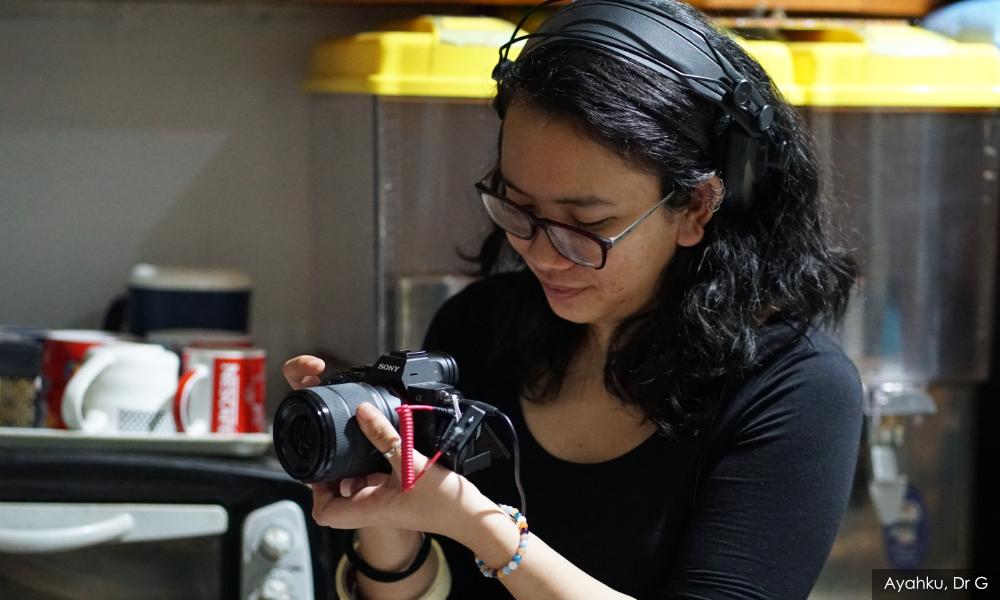
“All three of us - Jo Yee, Dominique, and I - are big fans of animation. We’re also interested in looking at mixed media and how we could combine both,” said Hidayah.
She said that there were “multiple clues from the start” that utilising animation could have been beneficial logistically for the film, which would have easily solved the issue of travelling to film during the pandemic.
“You know, this whole waiting (process) with Siti, where she goes through everything. We thought it was just better to capture it on camera and (we) wanted to explore what you could do with that and really pushed it, looking back.
“Maybe if we had gone the route of animation, that would have been a much safer option,” she said.
With this being her first documentary, she was able to observe the production process of making such a film in greater detail.
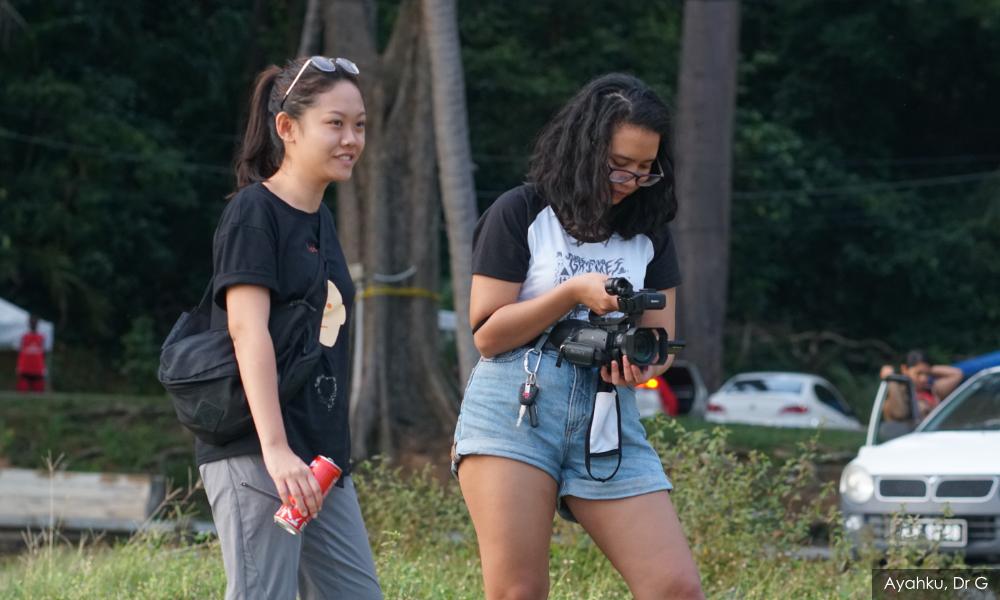
Hidayah said that she came out of the process being able to develop her work faster but it came at the cost of disillusionment with the fast nature of production.
“This is the thing I noticed about filmmaking. It’s kind of like a fast-food product of sorts.
“You make it really fast and you’re aiming for a fast release or something. I don’t like the whole idea of making it fast. I think it’s also quite disposable in that sense,” she said.
She added that when she was younger, she never dreamed of being a filmmaker, but found herself being led down the route of reading English at university.
She attributes her ability to create multiple universes within her work to her formal education at Universiti Kebangsaan Malaysia (UKM).
Hidayah hopes that this would prove useful in the coming years as the team continues to develop more stories, involving her own connection to Amiruddin’s story as well as that of Bukit Gelugor MP Ramkarpal Singh (who is representing Amiruddin in court).
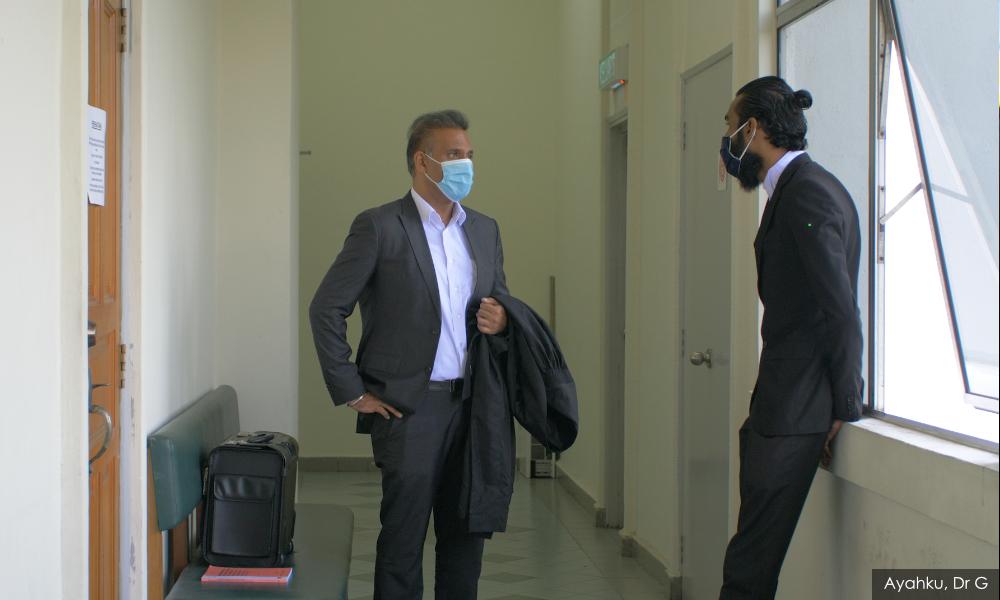
“Our goal is to pretty much educate people on the benefits of cannabis and highlight the struggles and the discrimination medical cannabis users face in Malaysia.
“Also, in alignment with that, try to introduce the conversation of abolishing the mandatory death penalty, prison reform, and (the) conversation about drugs substance awareness and education in Asia,” said Hidayah.
She also expressed hope that in 2022, those conversations could both be combined, uniting different people from different causes.
MALAYSIANSKINI is a series on Malaysians you should know.
Previously featured
Grieving Yuna doesn’t want return to old normal but a better world
A chirpy chat with the Queen’s Counsel
The gift that keeps on giving – how the Iskul community school pays it forward
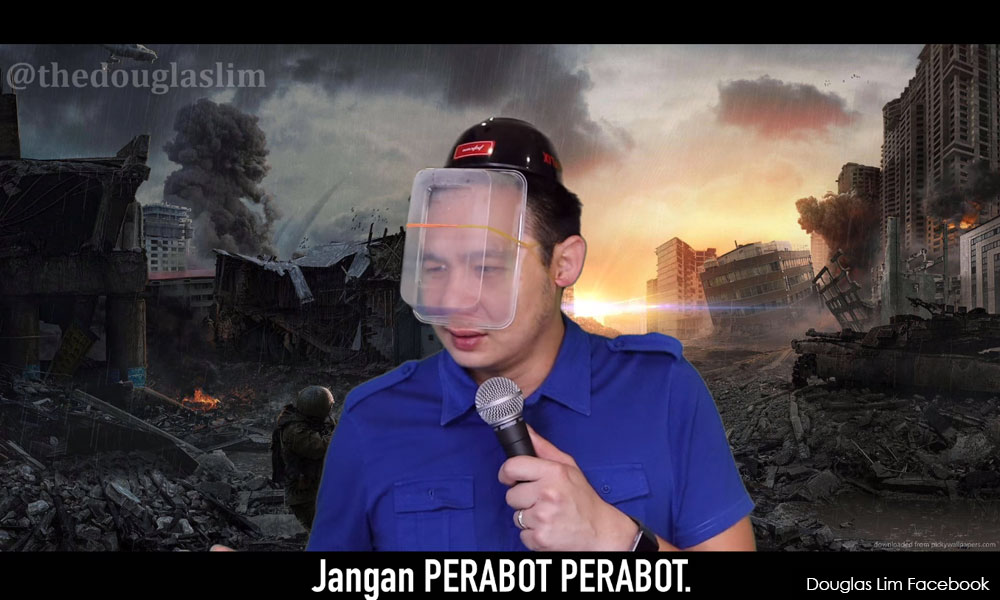
Douglas Lim – from teenage singer-songwriter to cutting edge king of parody
Jasmine King wants to empower adults against body and sexual shame
He just got started and Parit Coran’s already a world champion speaker
How Elise Arya Chen turned childhood abuse into advocacy for Myanmar refugees


Report this comment
Are you sure you want to delete this comment?
This action cannot be undone.