



S'gor not empowered to grant fatwa-review power to Syariah courts - counsel
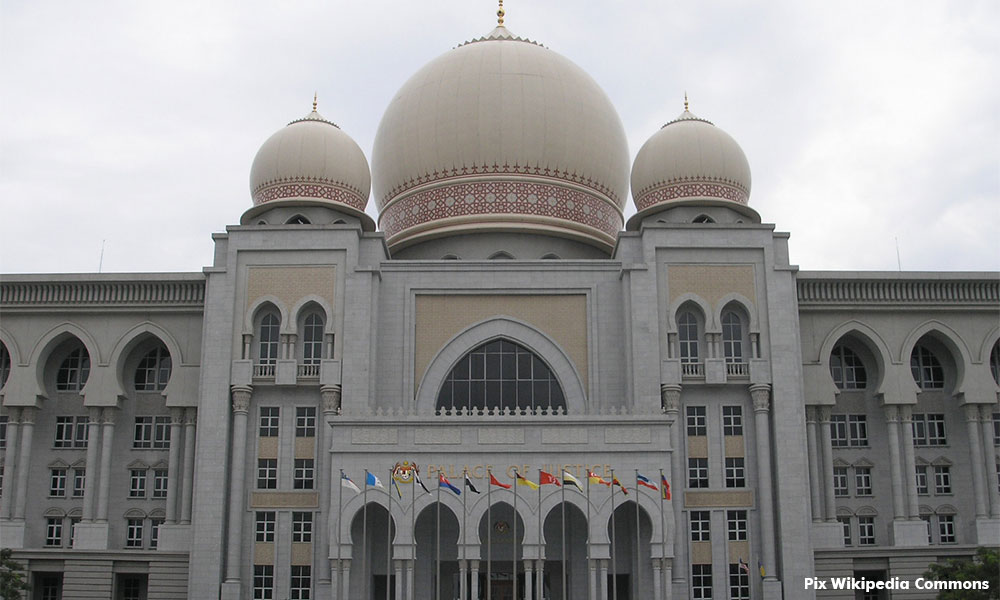
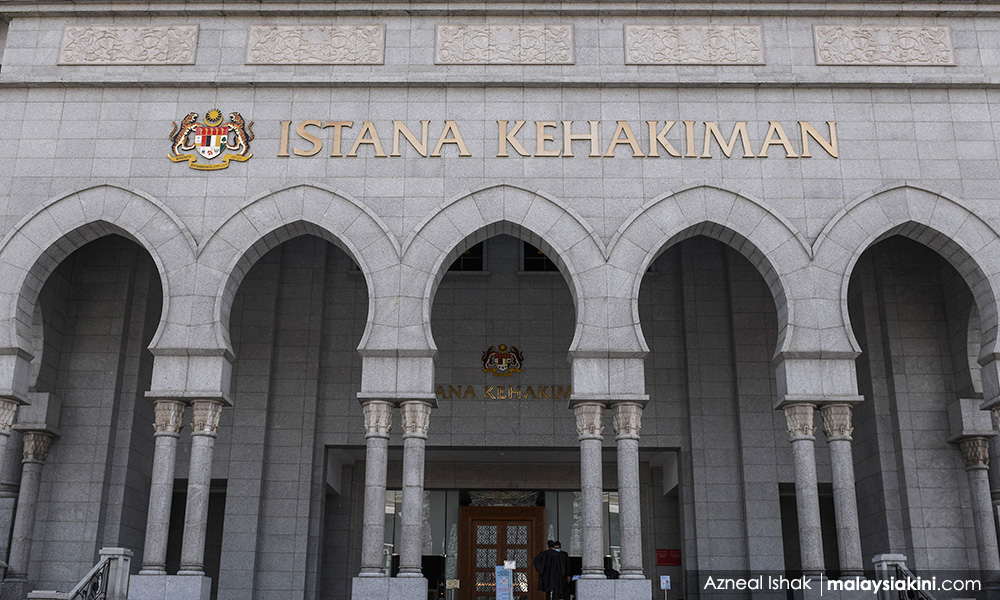
The Selangor legislature exceeded its power when it enacted a state law empowering Syariah courts to review fatwa issued by state religious authorities, the Federal Court heard today.
Sisters in Islam’s (SIS) counsel Malik Imtiaz Sarwar submitted that Section 66A of the Administration of the Religion of Islam (State of Selangor) Enactment 2003 grants power to the Syariah court to deal with religious matters involving non-individuals...
The Selangor legislature exceeded its power when it enacted a state law empowering Syariah courts to review fatwa issued by state religious authorities, the Federal Court heard today.
Sisters in Islam’s (SIS) counsel Malik Imtiaz Sarwar submitted that Section 66A of the Administration of the Religion of Islam (State of Selangor) Enactment 2003 grants power to the Syariah court to deal with religious matters involving non-individuals such as fatwa committees and councils.
The lawyer, however, pointed out that Item 1, List II (State List), Ninth Schedule of the Federal Constitution only allows a state legislature to enact Islamic laws for persons professing the religion of Islam rather than bodies like institutions.
“The state cannot give Syariah court any power and jurisdiction other than what is given in the Federal Constitution, and thus (the state legislature) cannot vest power on a non-person (groups or bodies).
“The Federal Constitution only permits persons (individuals) that profess the religion of Islam to be within the jurisdiction of the Syariah court,” Malik submitted before a nine-person bench chaired by Chief Justice Tengku Maimun Tuan Mat.
Exclusive jurisdiction
Today was set for hearing of SIS’ application to strike down Section 66A. The group, which was declared by a Selangor religious authority-issued fatwa to be deviant, filed the application on Jan 21, last year.
Section 66A states that “the Syariah High Court may, in the interest of justice, on the application of any person, have the jurisdiction to grant permission and hear the application for judicial review on the decision made by the Majlis or committees carrying out the functions under this Enactment”.
On Aug 27, 2019, the High Court in Kuala Lumpur (civil jurisdiction) dismissed SIS’ judicial review application against a Selangor religious authority’s fatwa that the group is deviant.
On that day, Justice Nordin Hassan ruled that it was within the exclusive jurisdiction of the Selangor Syariah court to determine legal challenges against a fatwa issued by a state religious committee, citing Section 66A.
SIS had then filed at the Federal Court the application to nullify Section 66A. The group is the applicant while the two respondents are the Selangor state government and Selangor Islamic Religious Council (MAIS).
Civil courts
During online Zoom proceedings before the Federal Court today, Malik argued that Syariah courts, which fall under each state’s jurisdiction, are also not empowered to hear judicial review actions of public bodies such as councils.
He said this is because judicial review (legal action that seeks to challenge decisions of relevant authorities or entities) is exclusively under the jurisdiction of the civil courts.
Malik referred to Section 25(1) of the Courts of Judicature Act 1964, which he argued conferred judicial review power only on civil courts and not Syariah courts.
The lawyer contended that civil courts actually have the power to even hear judicial review against religious state bodies, as it deals with the issue of the decision-making process leading to a state fatwa, rather than the content of the fatwa.
“In regard to the fatwa, there are two elements, one is the content of the fatwa, and the second is the process of making the fatwa.
“Judicial review (by the civil courts) are not concerned with the content of the fatwa, but with the decision-making process itself,” Malik said.
Smooth administration
However, Selangor state legal adviser Salim Soib @ Hamid countered that state fatwa committees can be regarded as persons professing the religion of Islam, as part of state administration of religious matters.
Salim said this is part of the smooth administration of religious matters granted by the Selangor state enactment on religious administration, where the Selangor Sultan is the head of religion and laws can be made for proper administration, among others.
When Federal Court judge Mohamad Zawawi Salleh, who is part of the nine-member apex court panel today, asked whether the definition of persons professing the religion of Islam includes state fatwa committee, Salim replied in the affirmative.
Supporting arguments were raised by MAIS’ counsel Zainur Zakaria, who argued that the Federal Constitution itself already empowered state legislatures to enact laws empowering Syariah courts to hear matters involving Islamic bodies that are not individual persons.
Zainur pointed to a portion of Item 1, List II (State List), Ninth Schedule of the Federal Constitution, which has the word ‘institutions’ in it.
The full provision of Item 1 reads as “except with respect to the Federal Territories of Kuala Lumpur, Labuan and Putrajaya, Islamic law and personal and family law of persons professing the religion of Islam, including the Islamic law relating to succession, testate and intestate, betrothal, marriage, divorce, dower, maintenance, adoption, legitimacy, guardianship, gifts, partitions and non-charitable trusts; Wakafs and the definition and regulation of charitable and religious trusts, the appointment of trustees and the incorporation of persons in respect of Islamic religious and charitable endowments, institutions, trusts, charities and charitable institutions operating wholly within the State; Malay customs; Zakat, Fitrah and Baitulmal or similar Islamic religious revenue; mosques or any Islamic public place of worship, creation and punishment of offences by persons professing the religion of Islam against precepts of that religion, except in regard to matters included in the Federal List; the constitution, organisation and procedure of Syariah courts, which shall have jurisdiction only over persons professing the religion of Islam and in respect only of any of the matters included in this paragraph, but shall not have jurisdiction in respect of offences except in so far as conferred by federal law; the control of propagating doctrines and beliefs among persons professing the religion of Islam; the determination of matters of Islamic law and doctrine and Malay custom”.
At the end of the proceedings, Tengku Maimun informed the parties that the panel has reserved its decision to a date to be fixed later.
Aside from Tengku Maimun and Mohd Zawawi, the other members of the bench were Court of Appeal president Rohana Yusuf; Chief Judge of Malaya Azahar Mohamed; Chief Judge of Sabah and Sarawak Abang Iskandar Abang Hashim; and Federal Court judges Vernon Ong Lam Kiat, Zaleha Yusof, Harmindar Singh Dhaliwal, and Rhodzariah Bujang.
SIS also has a separate appeal pending at the Court of Appeal against the 2019 High Court verdict. On Jan 23 last year, the High Court allowed the group’s application to stay its own ruling regarding the judicial review against the fatwa, pending disposal of the group’s appeal at the Court of Appeal.
At present, SIS’ appeal is still before the Court of Appeal, pending disposal of the group’s bid before the Federal Court to nullify Section 66A.



Are you sure you want to delete this comment?
This action cannot be undone.