



Govt mulls amending Employment Act to help gig economy workers
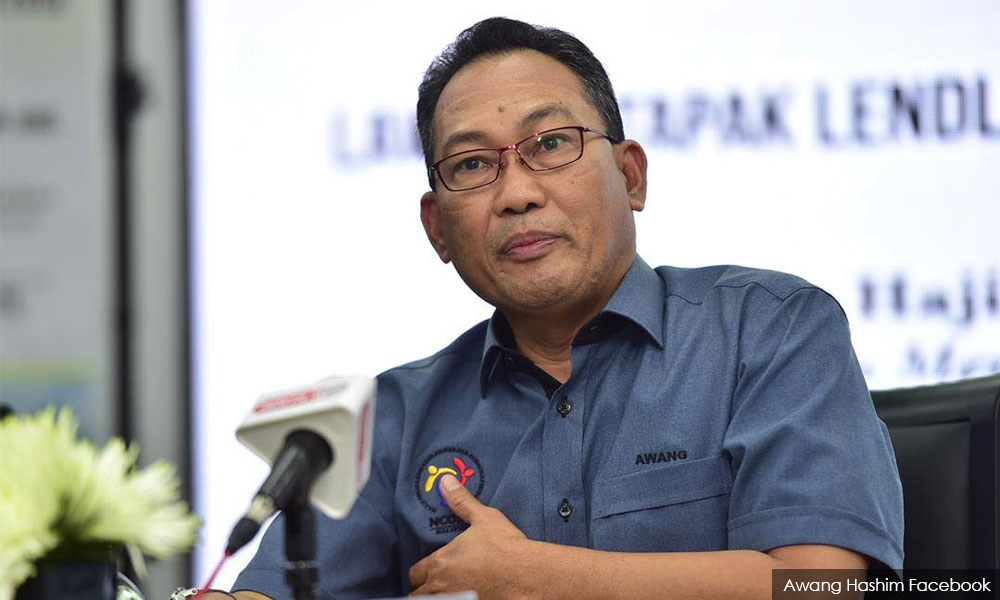
PARLIAMENT | The government is considering amending the Employment Act 1955 to include definitions for employee and employer in an effort to clarify work relationships such as in the gig economy, said Human Resources Deputy Minister Awang Hashim.
“The ministry is in the midst of amending the Employment Act. Among the suggestions for amendments is to insert a new Section 101C that will have definitions related to the employee and employer.
“This suggestion is one of the government’s efforts to clarify work...
PARLIAMENT | The government is considering amending the Employment Act 1955 to include definitions for employee and employer in an effort to clarify work relationships such as in the gig economy, said Human Resources Deputy Minister Awang Hashim.
“The ministry is in the midst of amending the Employment Act. Among the suggestions for amendments is to insert a new Section 101C that will have definitions related to the employee and employer.
“This suggestion is one of the government’s efforts to clarify work relationships in the future such as in the gig economy.
“This is because currently there is a gap, especially in deciding the category of the contracts -whether it is contract of service or contract for service,” Awang (above) said in the Dewan Rakyat today during the question-and-answer sessions.
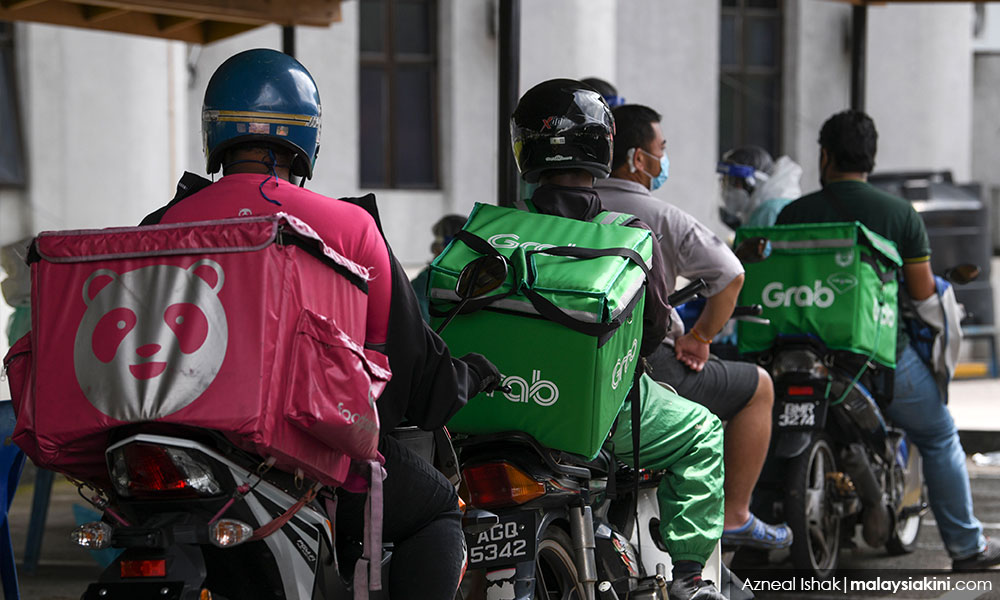
He was responding to a question from Ahmad Jazlan Yaakub (BN-Machang) who had asked if the ministry had taken any steps to help p-hailing drivers who do not have any social security, fixed income, acknowledgment as employees, and protection under the Employment Act.
Social safety network
The Employment Act currently does not cover workers involved in contracts for service, which is the case in the p-hailing sector.
While the government is in the process of amending the Act, Awang said they have prepared a social safety network for p-hailing workers under the Self-Employment Social Security Scheme (SKSPS) which is enforced by Perkeso.
Starting Oct 1 this year, all employees in this sector are mandated to register and contribute under the Self-Employment Social Security Act.
The deputy minister said this is a way to ensure this group of employees has some form of social security as they have a high risk of work accidents.
The Human Resources Ministry is currently holding several engagement meetings with stakeholders such as service providers and industry players, he said.
They are trying to consider whether it is necessary to have new legislation specifically to protect the welfare of those working in the gig economy, he said.
New agreement
On a separate question later, Awang said there are no plans to abolish the existing recruitment and placement system for domestic helpers.
Instead, he said, the government will refine and improve the system to be more effective.
He was responding to a question from Teresa Kok (Harapan-Seputeh) who had asked about any plans to abolish the system seeing as there are thousands of agencies which have been unable to recruit any foreign maids since 2016.
Awang said the memorandum of understanding (MOU) between the governments of Malaysia and Indonesia on the employment of foreign maids had expired in 2016.
“For the time being, the government is still negotiating with Indonesia to sign a new agreement.
“Although private employment agencies are not allowed to recruit domestic helpers from Indonesia, the government does not prevent them from recruiting from other source countries such as the Philippines or Cambodia,” he said.
He added the government had conducted a series of negotiations with Indonesia between November 2017 and November 2018 but was unable to finalise the MOU.
“Maybe we can do so by this year or early next year,” he said.



Report this comment
Are you sure you want to delete this comment?
This action cannot be undone.