



Govt will not force Covid-19 jabs on children - KJ
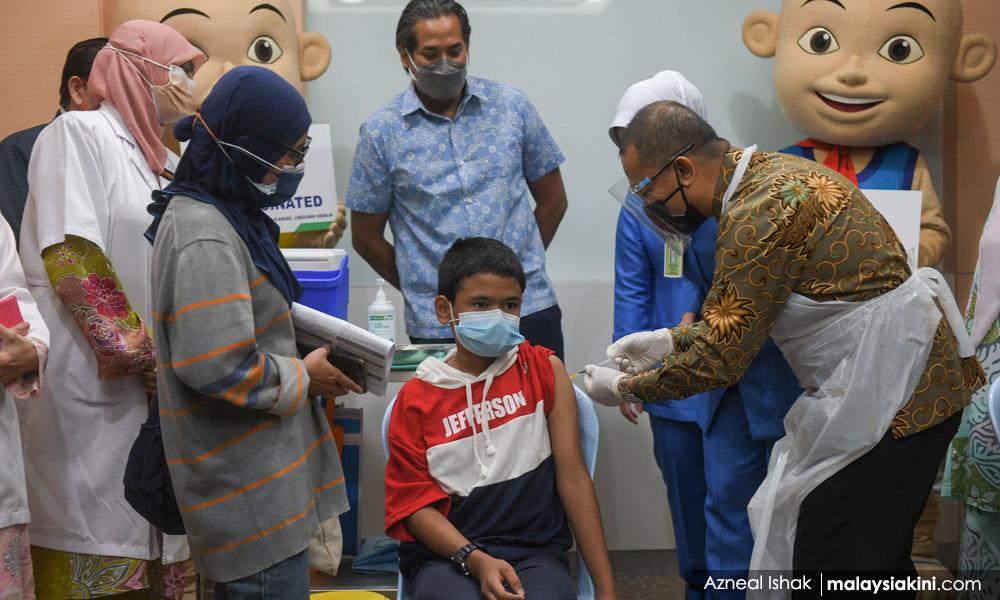
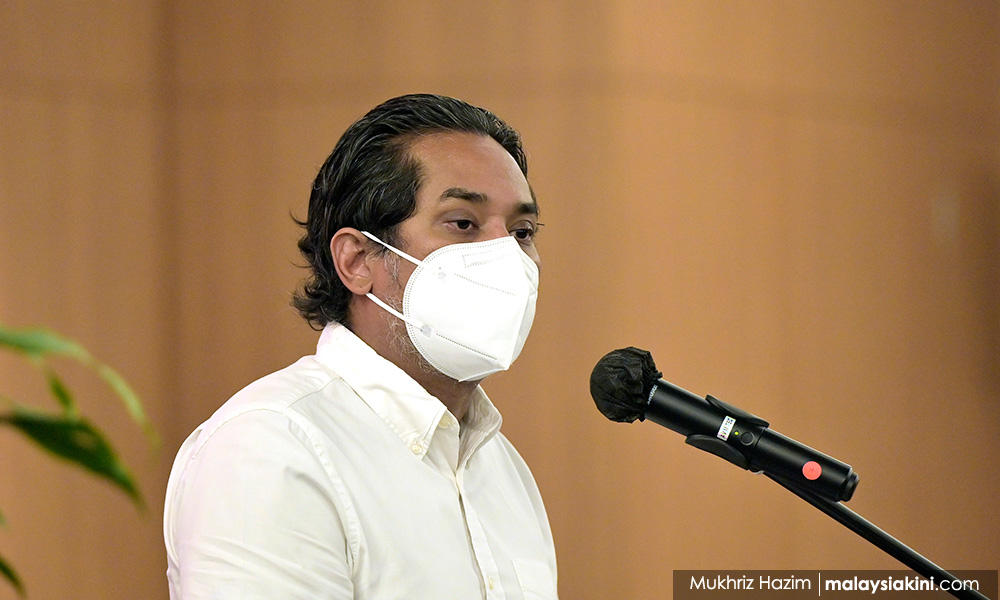
Health Minister Khairy Jamaluddin today assured that parents will not be compelled to get their children vaccinated against Covid-19.
Speaking at the launching ceremony of the National Covid-19 Immunisation Programme for Kids (NIPKids), he said the government will not impose travel restrictions against children who are not vaccinated, a move which it had taken to encourage immunisation on Malaysia's adult population.
On allegations that...
Health Minister Khairy Jamaluddin today assured that parents will not be compelled to get their children vaccinated against Covid-19.
Speaking at the launching ceremony of the National Covid-19 Immunisation Programme for Kids (NIPKids), he said the government will not impose travel restrictions against children who are not vaccinated, a move which it had taken to encourage immunisation on Malaysia's adult population.
On allegations that he is not vaccinating his own family members against Covid-19, Khairy said he had already registered his son for vaccination.
"Many have requested through social media that vaccination not be forced on children. So, today I give my assurance that we will not do this.
"For adults, we do not allow those who have not received full doses to enter eateries, shopping complexes and such, but there will be no such conditions set on children.
"They are given exemption. Because we want parents to be convinced with the process and not feel that they are forced to do it. We are doing this to protect our children from Covid-19."
In his speech, Khairy also told the Covid-19 Immunisation Task Force for Children (CITF-C) that it would be a challenging task for them to build parents' confidence.
He promised that the Health Ministry will be transparent and provide updates to parents on NIPkids, including on AEFI (adverse effects following immunisation) cases.
Vaccine safety
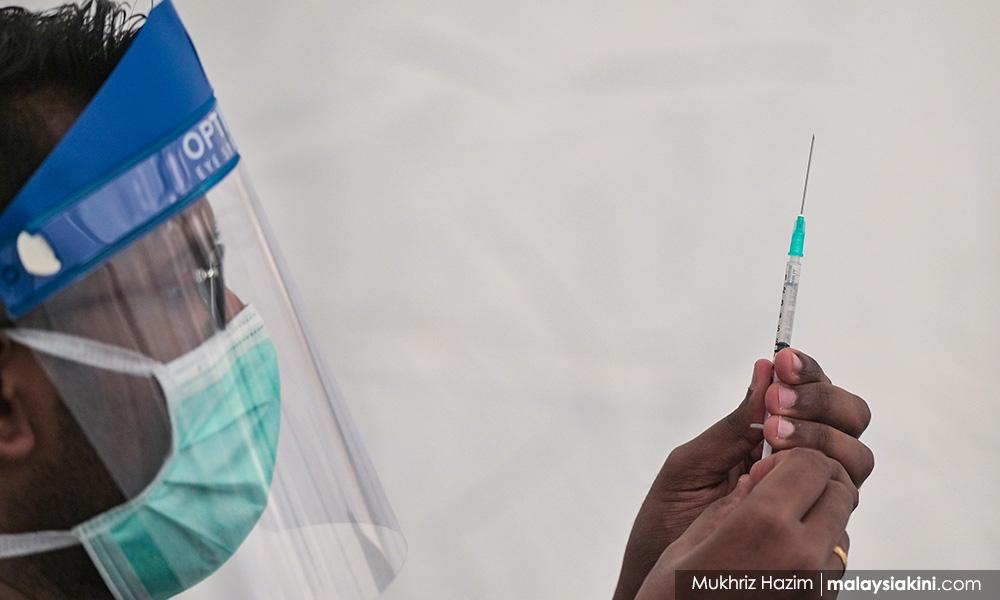
The health authority recently gave emergency authorisation to Pfizer's Cominarty vaccine for use in children, but in a much lower dose of 10 micrograms compared to adults (30mcg per dose).
It takes two doses for a child to be considered fully immunised and they are administered in an interval of eight weeks.
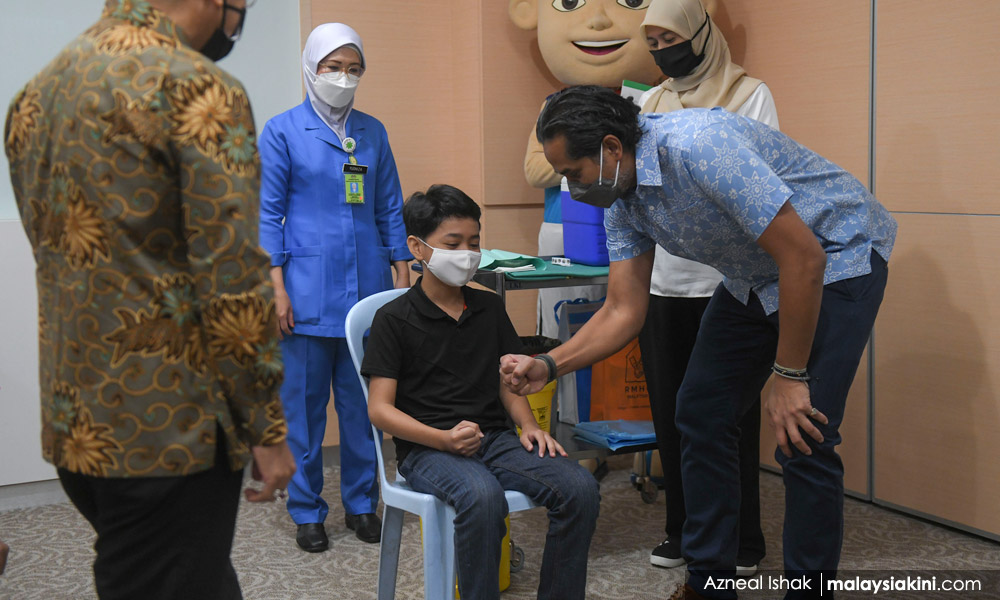
CITF-C hoped to get 70 percent of the target group inoculated with their first dose by the end of this month.
Khairy also revealed that at this juncture, there was no recommendation for children to take a booster dose.
On vaccine safety, the minister urged parents to be confident, saying that the vaccine has been studied not only by other countries but also Malaysia's own Medical Research Institute before it was approved for use in children.
"Our experts took several months to do their research, study data including from implementation in other countries. Only then they were convinced (to approve the vaccine).
"The study found that there were not many serious adverse effects. The less serious ones are common, which is something usual after vaccination. And we have looked into this for several months, the vaccine is safe," he said.
"I have also registered my six-year-old son, who is my youngest, for vaccination. My two other children who are already teens have received theirs," Khairy added.
'Last piece of the puzzle'
Statistics provided by the Health Ministry today showed that 147,282 children aged between five and 12 have been infected with Covid-19 in the past six months.
They include 26 cases that resulted in deaths.
Khairy said the figure, while still much lower than statistics for adults, still raises concern over the wellbeing of children against Covid-19, including exposing them to the risk of developing Multisystem Inflammatory Syndrome in Children (MIS-C) which requires treatment in an intensive care unit (ICU). The complication also has a high fatality rate.
There is also the issue of Long Covid symptoms which can cause long term effects on children's health.
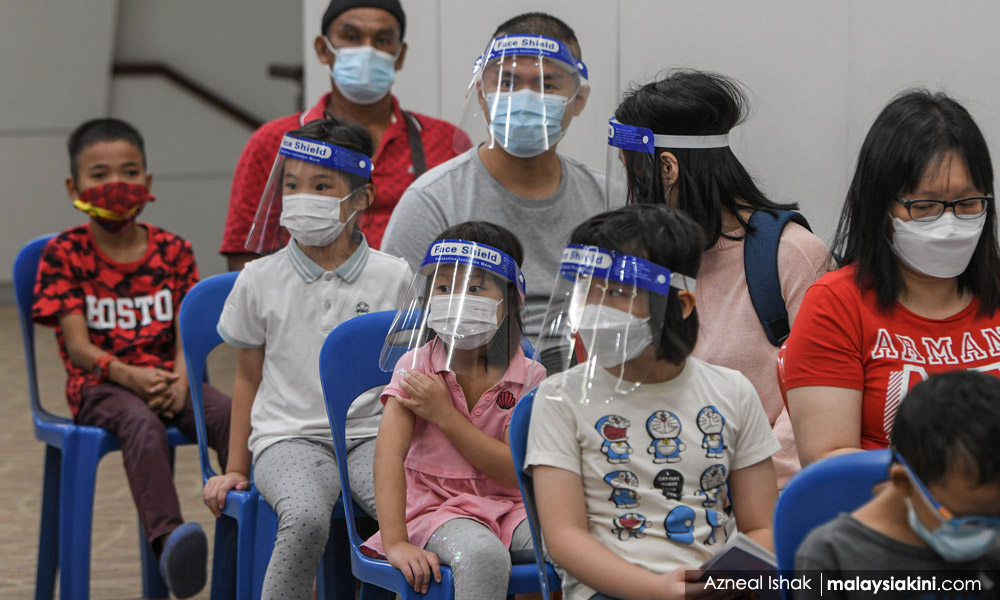
He said the country had seen a low number of serious Covid-19 cases since Malaysia introduced the vaccination programme and it is now the time to protect the younger population.
"This is almost like the last piece of the puzzle, by giving protection to our children.
"As we know, it is also hard for children to observe physical distancing, especially when they go back to school and see their friends.
"This is why we need to give them vaccinations," he added.
The minister said between Jan 1 and Feb 2, 14 schools have been closed due to a Covid-19 outbreak.
He stressed that school closure however is only the last resort, which would be taken in case they have no other means to contain the spread of the virus.
Within the same time period, there have been 108 new infection clusters involving secondary boarding schools, while for daily secondary schools there were 12 and primary schools (13), he added.
The Health Ministry also recorded 13 new clusters involving pre-schools.



Report this comment
Are you sure you want to delete this comment?
This action cannot be undone.