



Why Yusof Ghani took the path less travelled
MALAYSIANSKINI | A veteran photojournalist who has covered a wide range of stories in various media, Yusof Ghani now uses his keen eye and storytelling skills to create awareness on road safety.
Yusof and the writer were colleagues at The Sun at a time when a pullout in the paper called Megazine was not only offering readers a wide variety of stories but also fantastic pictures to go with it daily.
Yusof left to join the then fledgling Malaysiakini (founded by Steven Gan and Premesh Chandran, who were also part of The Megazine’s Special Issues section) in 2002.
In 2003 he left journalism altogether.
“I had great years in journalism but decided to try something new, and I joined a highway concessionaire to do corporate communication,” said Yusof.
After he completed his master's degree, he joined the Malaysian Institute of Integrity in 2007.
“Around 2007/8, I was doing corporate communication in Kuala Lumpur city centre, but commuting from home in Bangi to Kuala Lumpur was rather stressful.
“When I heard the Malaysian Institute of Road Safety Research (Miros) was looking for researchers, I jumped at the opportunity. The office was close to home.
MALAYSIANSKINI | A veteran photojournalist who has covered a wide range of stories in various media, Yusof Ghani now uses his keen eye and storytelling skills to create awareness on road safety.
Yusof and the writer were colleagues at The Sun at a time when a pullout in the paper called Megazine was not only offering readers a wide variety of stories but also fantastic pictures to go with it daily.
Yusof left to join the then fledgling Malaysiakini (founded by Steven Gan and Premesh Chandran, who were also part of The Megazine’s Special Issues section) in 2002.
In 2003 he left journalism altogether.
“I had great years in journalism but decided to try something new, and I joined a highway concessionaire to do corporate communication,” said Yusof.
After he completed his master's degree, he joined the Malaysian Institute of Integrity in 2007.
“Around 2007/8, I was doing corporate communication in Kuala Lumpur city centre, but commuting from home in Bangi to Kuala Lumpur was rather stressful.
“When I heard the Malaysian Institute of Road Safety Research (Miros) was looking for researchers, I jumped at the opportunity. The office was close to home.
“So, I joined Miros in January 2009 as a researcher, researching the media and social marketing – basically what and how to communicate with the target audience on road safety matters; and I loved it.
“I think working to save lives on the roads is a noble thing to do.”
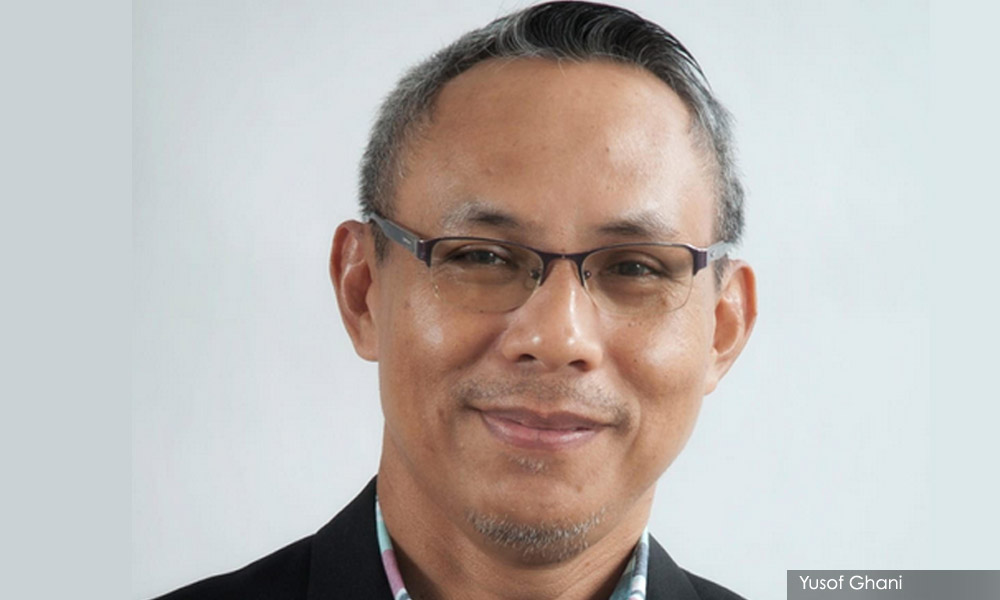
Last year Yusof was made director of Miros Art, where he was entrusted to carry out messages on road safety using art.
“This is in line with Miros’ mission statement ‘to foster science and art for road safety intervention’.
“As I have a strong background in photography from my stint as a photojournalist, way back to black and white darkroom printing during my early days, I decided to use traditional black and white film photography as my medium of communication.“
Using art to engage youths
Yusof points out that film photography, especially black and white photography, is making a comeback and many youngsters who grew up with digital cameras are now embracing this old school technique of taking pictures.
“A lot of youngsters found that black and white photography, especially film processing and darkroom printing is something unique.
“I use this technique to engage youngsters - our main traffic safety audience - to talk about photography and eventually look into the content of my work, which is on road safety matters.”
At Miros Art, they also explore other mediums of art to put forward their road safety messages, such as cartoons, doodles, infographics, poems, and even sculptures.
“We have just started and a lot more is coming. We engage artists, students, and the public to participate in road safety-related themes and make people communicate on road safety matters through art,” explained Yusof.
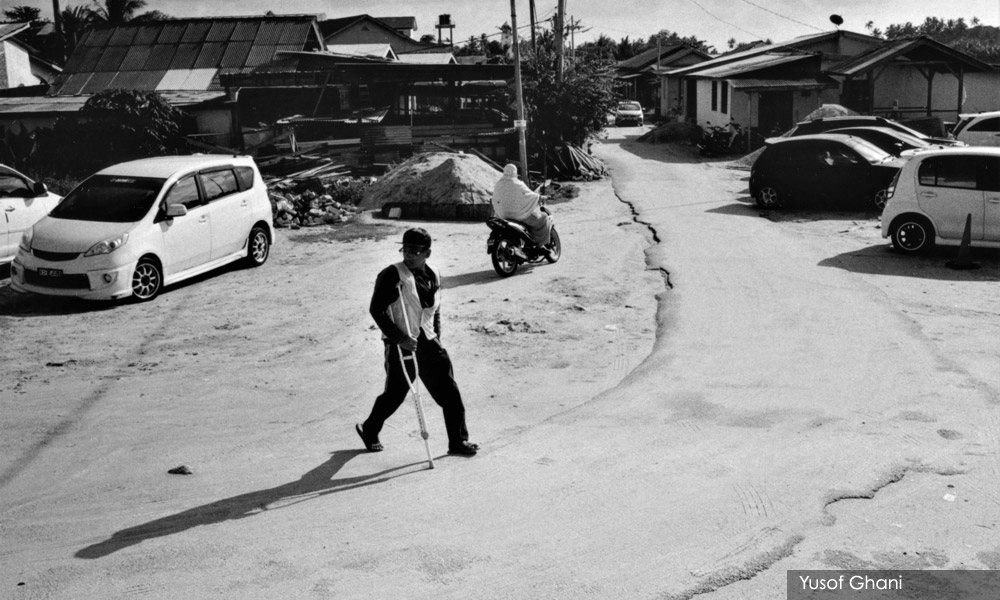
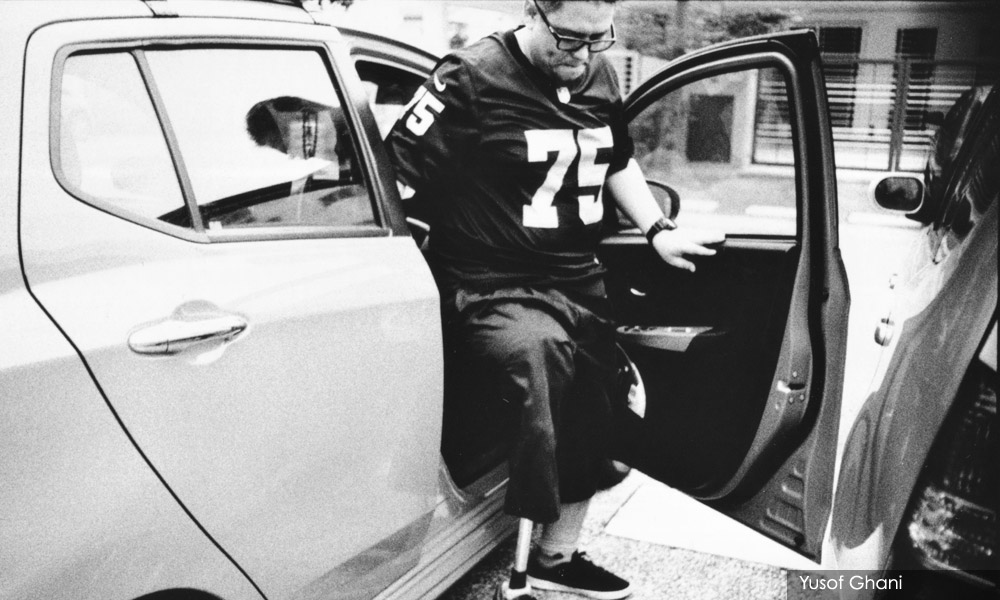
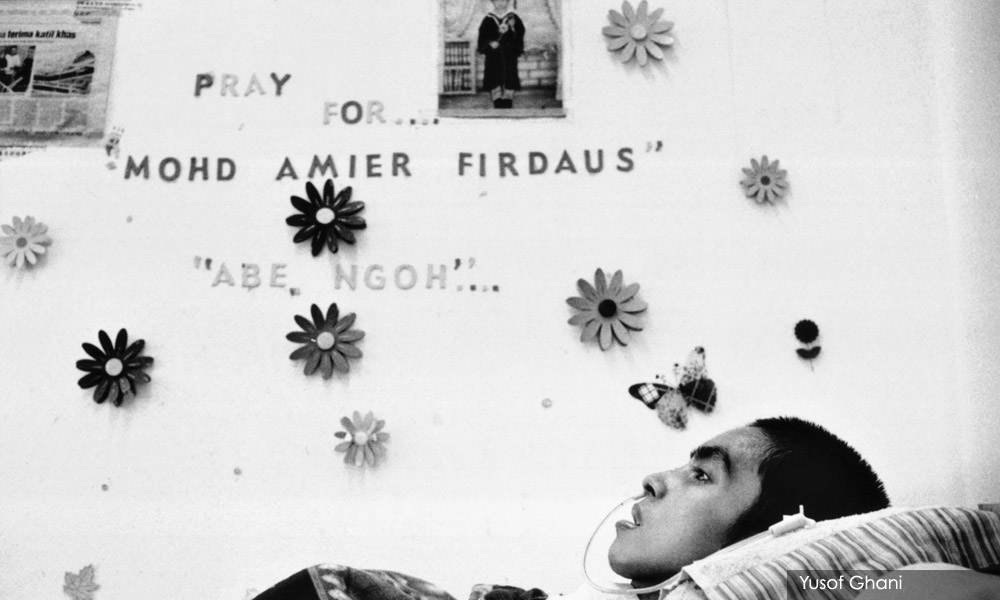
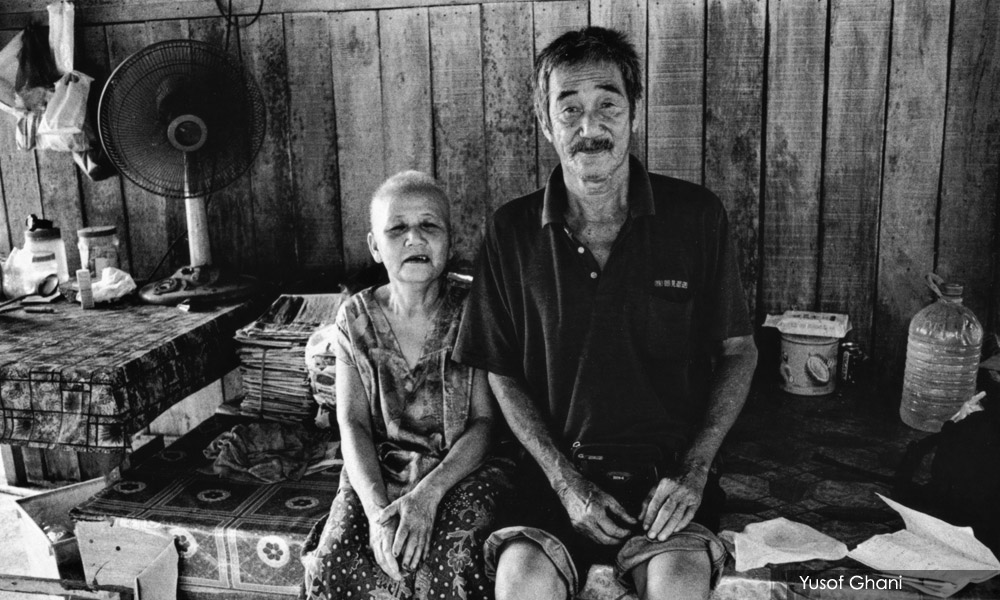
His “Road Crash Victims” series of black and white photos of those who suffer the aftermath of horrific road accidents are especially moving.
A lot of thought and planning went into taking these haunting photos.
“I have been thinking about this subject for a long time. I was inspired by the work of Italian photojournalist Francesco Zizola who did a story on landmine victims in Africa, which was highly impactful and even won him the World Press Photo of The Year award in the 1990s.
“While we are free of landmines here in Malaysia, many people do not realise our roads are potential places to lose lives and limbs – just like the landmines in Africa,” said Yusof.
Young persons lives forever changed
Hitting closer to home, he points out, “Every year, more than 6,000 people do not make it home after the crash and their stories ended, but many people lost their limbs and permanently become disabled.
“Some are in a state of coma, some are bed-ridden, some lost their limbs and even their sight. But for these people and their families, life has to go on although it is no longer the same.“
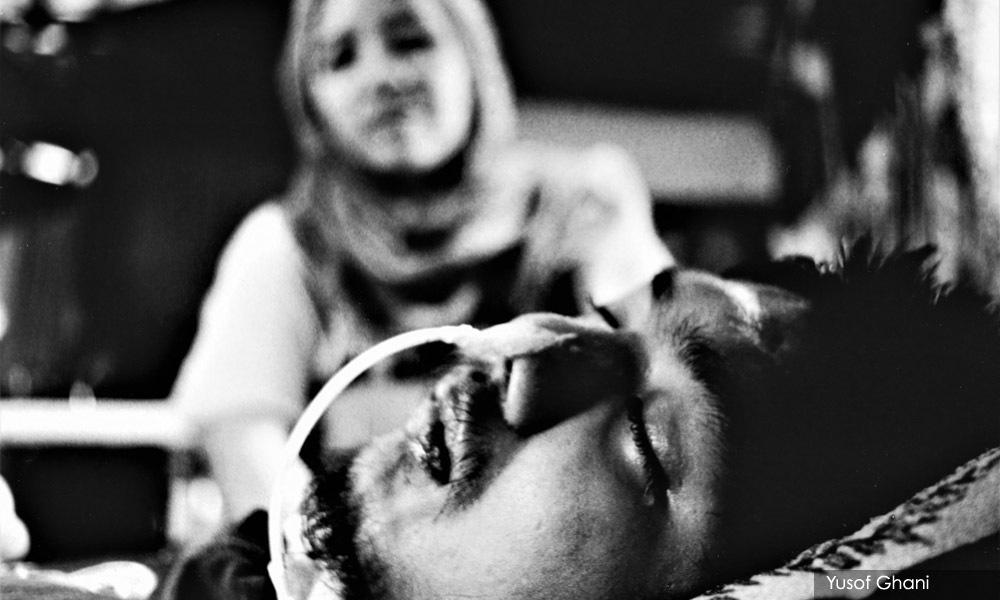
Yusof researched reported cases in the media and ended up travelling to remote places in the country to document the lives of young people who are now disabled because of accidents involving motorcycles.
“It’s sad to see what happened. Most of the crash victims are from the B40s (bottom 40 percent of income earners). They not only suffer from permanent disability but financial and social distress too.
“Apart from no longer being able to work or study, many of these families have to depend on government aid and donations from the public.”
Yusof found that many take wearing a helmet for granted. Some just place it on their heads and do not even fasten it properly.
He says it is the first line of defence while riding a motorcycle and those who don’t wear helmets are prone to serious head injuries.
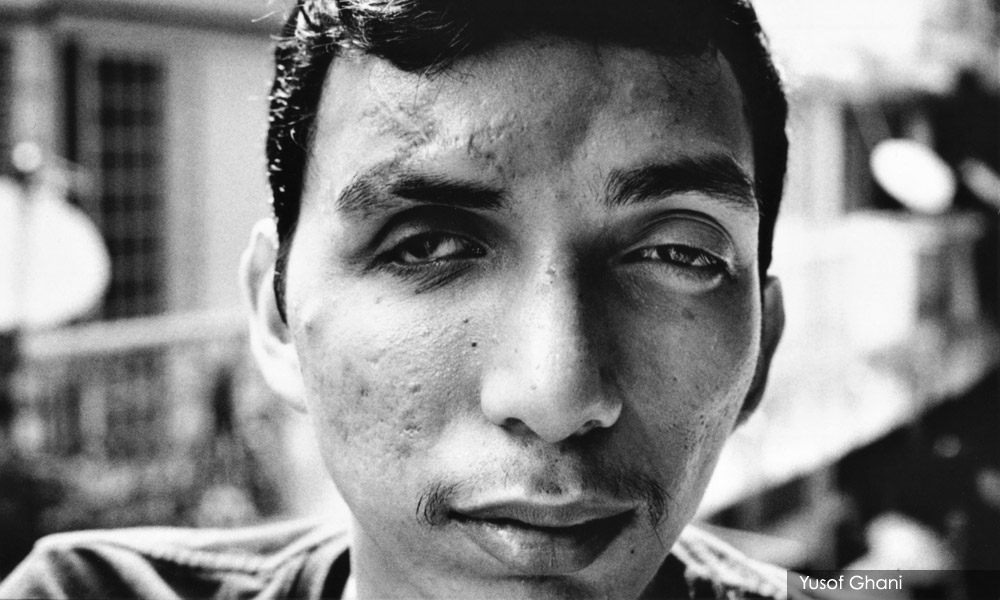
When asked why he opted not to take their pictures in colour, Yusof said, ”I’m a traditionalist. I chose to do black and white because I can also make darkroom prints myself – and that completes my photography.
“Furthermore, when you see black and white photographs, you straight away focus on the substance (message) and are not distracted by the beauty of the colours.
“For people documentary and humanity, black and white remains as a favourite medium among many photojournalists, though many are doing it with digital these days.”
Old is gold
Yusof still prefers the good old-fashioned analogue cameras instead of the more convenient digital ones.
“Film photography, especially black and white, is not dead, although getting rarer these days. What more when it comes to darkroom prints. There are so few darkrooms left and so few people who know how to make prints.
“For this project (since 2019), I shot mostly with 35mm single-lens reflex (SLR) cameras, but for other work, I also shoot with 120 medium format cameras. I do shoot with digital cameras for nature and bird photography.”
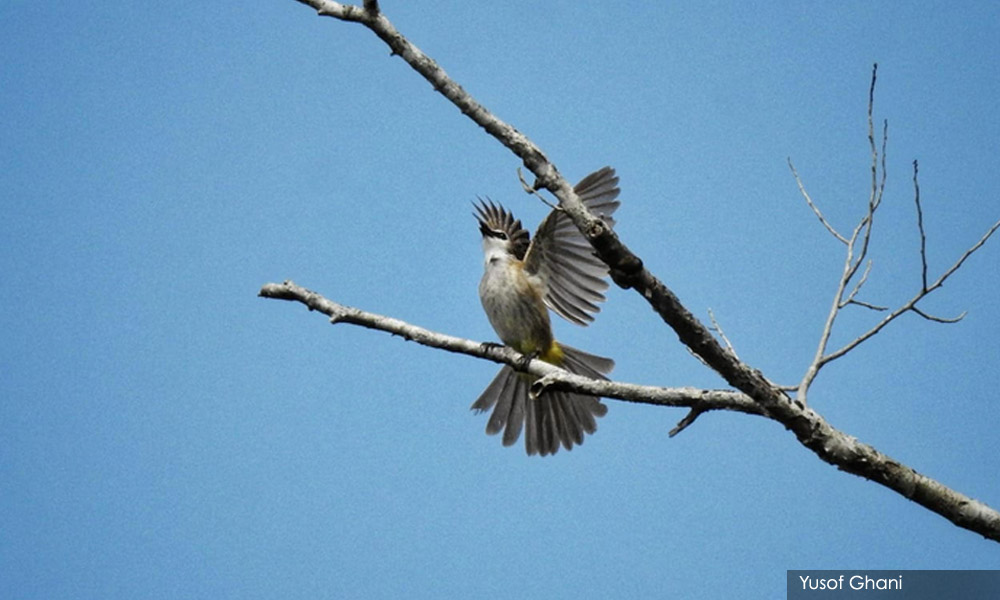
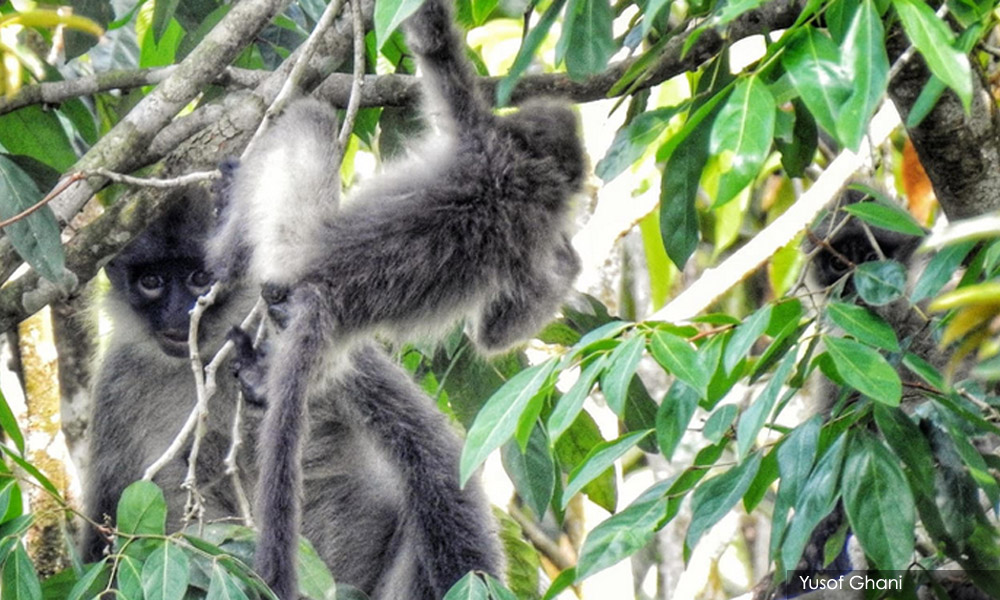
Yusof has quite a few cameras in his collection. When asked to name his favourite, he said, “For serious work like this, I rely on Nikon F3. It was one of the most popular models among photojournalists in the 1980s and 1990s. It’s reliable and dependable.”
He also rescued discarded old cameras, which he restored for his use.
“I hate to see beautifully designed cameras (mostly mechanical) gathering dust or growing fungus and dumped into landfills.”
Yusof still loves taking photos of rural life and nature photography but those are for his own personal collection.
He has taken many iconic photographs over the years but one, in particular, stands out in his mind.
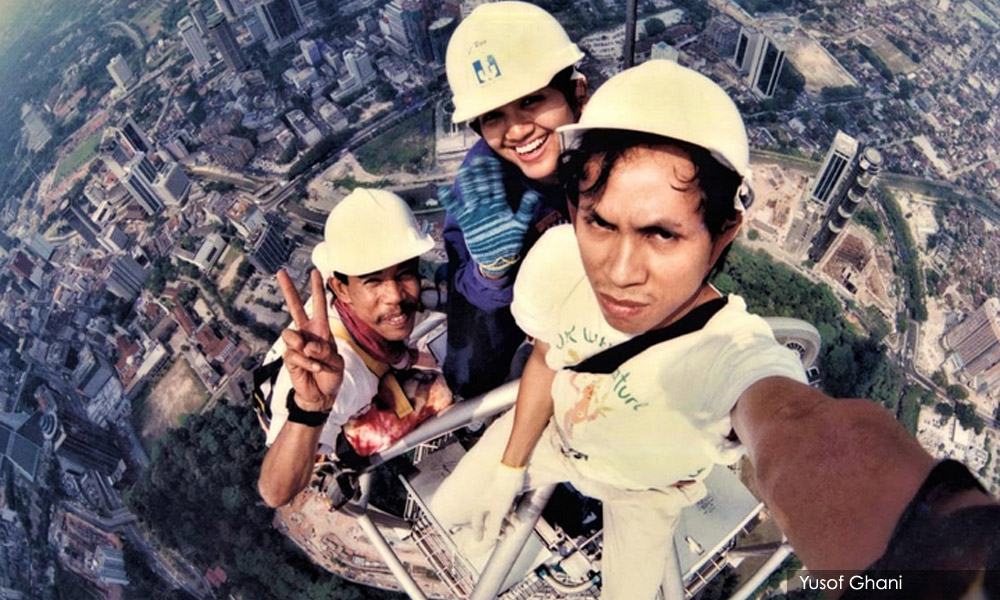
“I don’t really have any favourite image but the selfie I took from the top of KL Tower almost 30 years ago somehow became viral. People said it was the first selfie from a tall building and was made before digital cameras or GoPros existed.”
Technology can’t replace artistic gift
Many journalists are forced to become photographers while on assignment and take photos of events and notable persons using their smartphones.
Yusof said that for the purposes of documenting an event, such a gadget could be a convenient tool.
“Cameras are just tools to take photographs. In photojournalism or documentaries, what is important is the moment and the message that you want to convey.
“To me, using a mobile phone camera is not an issue at all, but as a tool of photography, it has a lot of limitations. If you’re using a phone camera, get close to your subject and your photographs would be fine.”
With a phone in every pocket these days, many are finding it easier to dabble and try their hand at professional photography.
However, when asked if he thinks smartphones and photo editor apps will ever replace the artistic gifts of a professional photographer, Yusof replied:
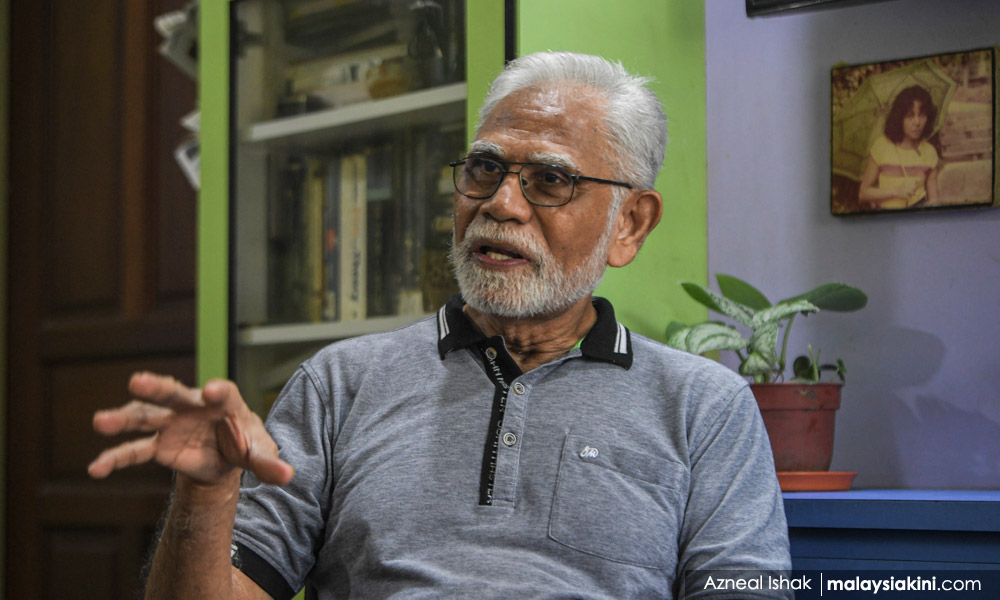
“I’m an old school photographer and I believe in the fundamentals of photography. Phone cameras or whatever latest digital cameras now can deliver perfect images – thanks to technology.
“But one needs to understand the principles of photography such as composition, lines, textures, shapes, and colours, not to mention the artistic aspects and hard work to make interesting photographs. Those have to be acquired through learning and experience.”
For him, the message is as important as the medium.
“In photojournalism or documentaries, the message is the most important. That’s exactly what I’m doing to promote road safety.
“I want my audience to be aware that their lives could change if they’re involved in a crash, so please stay safe on the roads.
“I want them to know that motorcyclists are so vulnerable, and if possible, use motorcycles only if you don’t have any other choice.”
Malaysianskini is a series on Malaysians you should know.
Previously featured:
Howzat - Winifred Duraisingam bowls them over in women's cricket
The teacher who brings tech into rural Tamil classrooms and beyond
Search for healthy food leads Simon to start his farm
Filmmaker Linus Chung on family stories and his pet snake
Brian Gomez and his Merdekarya dream
/file/publisher-c1a3f893382d2b2f8a9aa22a654d9c97/2021/10/23b8deb3f5b4ecb6d1bd7d09d06273ea.jpg)


Report this comment
Are you sure you want to delete this comment?
This action cannot be undone.