



Ex-1MDB CEO Arul Kanda now star witness against Najib
Former 1MDB CEO Arul Kanda Kandasamy has been given the court’s green light to take the witness stand against former prime minister Najib Abdul Razak.
The Kuala Lumpur High Court this morning allowed the prosecution’s bid to call the co-accused to testify against the former finance minister in the 1MDB audit report trial.
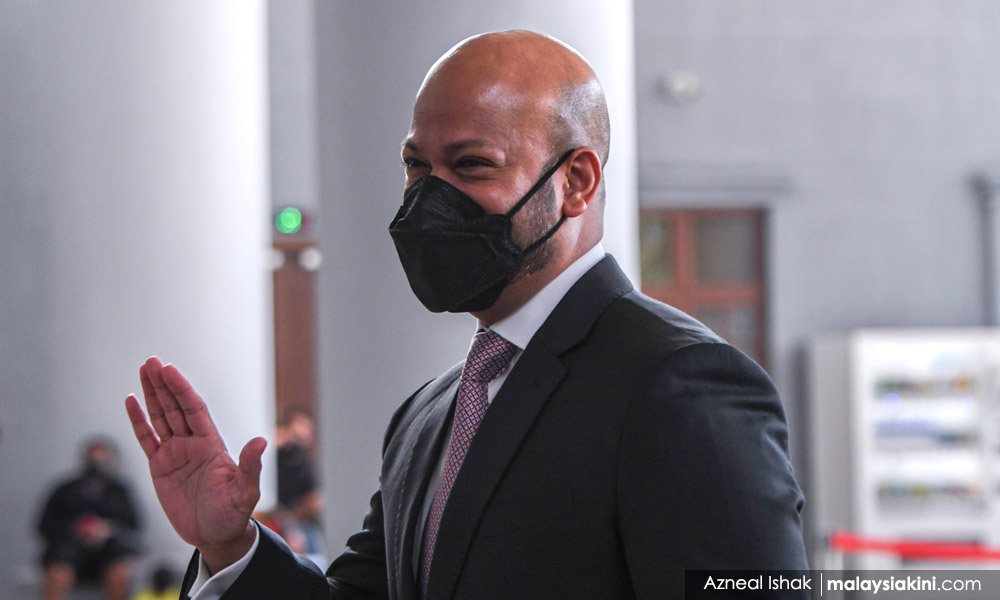
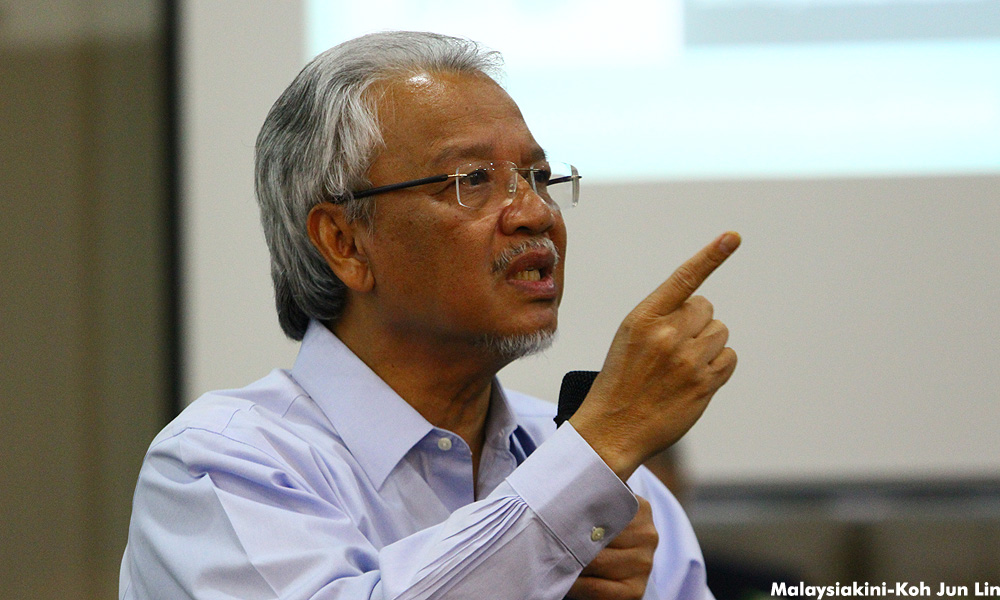
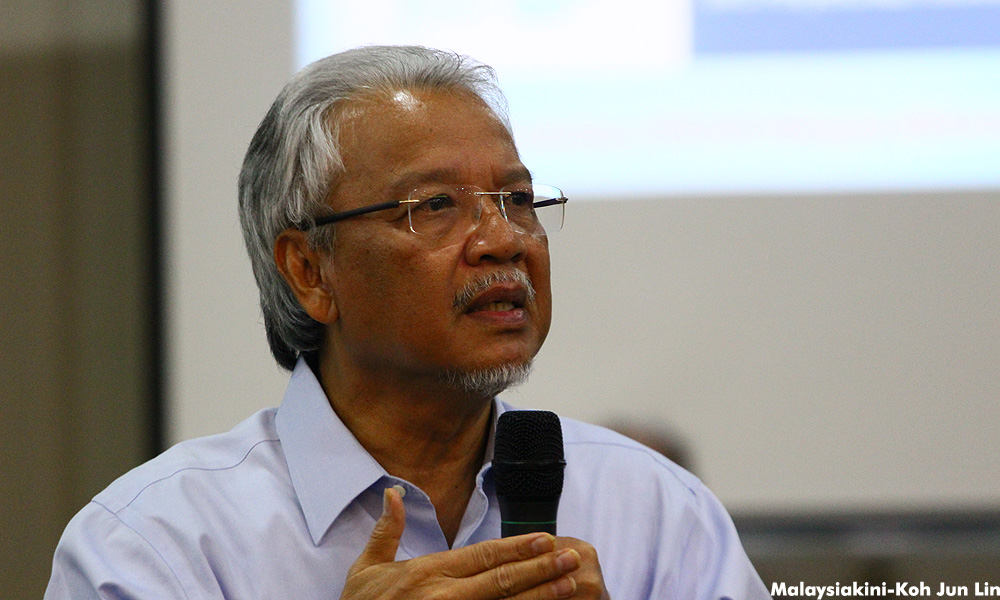
Arul Kanda is seen...
Former 1MDB CEO Arul Kanda Kandasamy has been given the court’s green light to take the witness stand against former prime minister Najib Abdul Razak.
The Kuala Lumpur High Court this morning allowed the prosecution’s bid to call the co-accused to testify against the former finance minister in the 1MDB audit report trial.
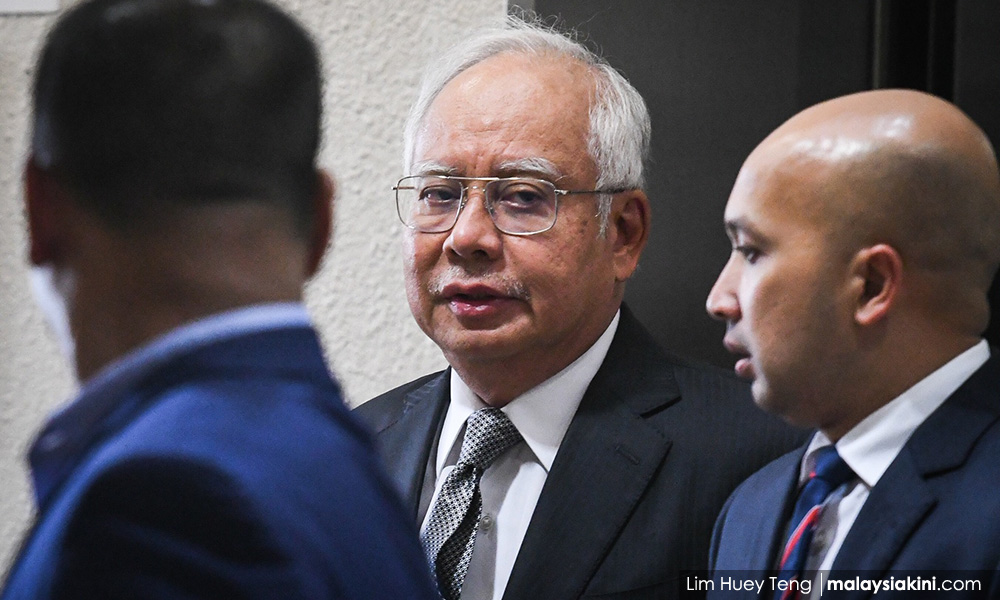
Arul Kanda (above) is seen exiting the dock and walking toward the witness stand as Najib looked on from the dock.
Depending on the strength of his oral evidence, the former 1MDB CEO may be granted a full acquittal from the case via a certificate of indemnity from the court.
Previously, ad hoc deputy public prosecutor Gopal Sri Ram said Arul Kanda possesses material information that can boost the case against Najib, including in relation to a meeting on Feb 24, 2016.
The prosecution is contending that a decision to make the amendments to the 1MDB audit report was taken during the meeting at the office of then chief secretary to the government Ali Hamsa.
Besides Ali and Arul Kanda, others who were present at the meeting on Feb 24, 2016, were former auditor-general Ambrin Buang, former National Audit Department officer Saadatul Nafisah Bashir Ahmad, Najib’s former principal private secretary Shukry Salleh, and then Attorney-General’s Chambers representative Dzulkifli Ahmad.
‘Whole truth or no indemnity’
During open-court proceedings, trial judge Mohamed Zaini Mazlan ruled that Arul Kanda ought to be allowed to testify for the prosecution as he was privy to any purported communications between himself and Najib in relation to the case.
“The fact that Arul Kanda was the CEO of 1MDB at the material time and had attended the meetings on Feb 24 and 25, 2016, is relevant to the charge against Najib,” the judge noted.
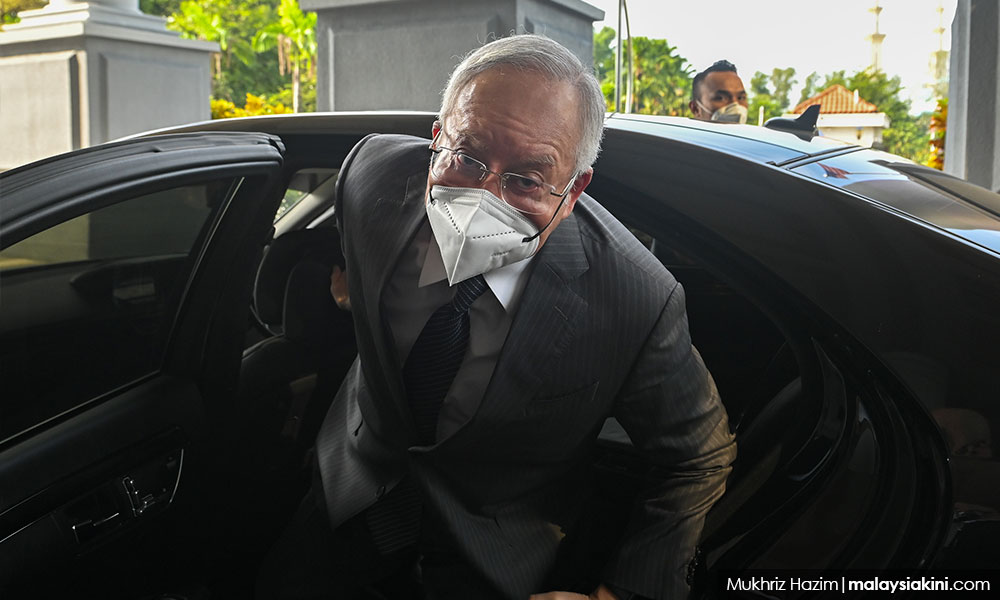
The prosecution previously contended that other related meetings took place besides the Feb 24 one, such as the one on Feb 25, 2016.
Zaini pointed out that a certificate of indemnity would only be issued for Arul Kanda if the latter’s testimony amounted to a “true and full discovery”.
“He must speak the truth, and nothing but the whole truth, for in the words of Benjamin Franklin: ‘Half a truth is often a great lie.’
“If the court opines that Arul Kanda has made a true and full discovery, he is entitled to a certificate of indemnity.
“It is worth repeating that it does not matter whether his testimony favours the prosecution or the defence.
“There should be no danger of him testifying to minimise his role, as his fear should be directed towards ensuring that he tells the truth. Otherwise, he loses the privilege of getting the certificate of indemnity,” Zaini ruled.
The judge said that the strength of Arul Kanda’s testimony would be determined at the end of the prosecution’s case, taking into effect the testimonies of other prosecution witnesses vis-a-vis his own as well as documentary evidence tendered.
Zaini pointed out that in the event that Arul Kanda failed to give a true and full discovery, the former 1MDB CEO would no longer be able to be tried before the present court.
He said that in that hypothetical situation, Arul Kanda would instead be tried before another court judge over any non-true and full discovery testimony.
As a result of today’s outcome, Arul Kanda would no longer sit in the dock with Najib. Instead, the former 1MDB CEO would sit in the witness room if he is not testifying.
Jho Low, financial statements
The prosecution’s application to call Arul Kanda as a witness was made under Section 63 of the MACC Act 2009.
Section 63 (1) states that “Whenever two or more persons are charged with an offence under this Act, the court may, on an application in writing by the public prosecutor, require one or more of them to give evidence as a witness, or witnesses for the prosecution”.
Subsection (3) of the provision also states that such a co-accused, who is required to testify, is entitled to indemnity (compensation for harm or loss) under the seal of the court.
Proceedings before Zaini will continue on July 4, with Arul Kanda to continue his oral evidence.
Najib is charged with using his position to order amendments to 1MDB’s final audit report before it was presented to the Public Accounts Committee (PAC) to prevent any action against him.
Arul Kanda was charged with abetting Najib in making the amendments.
The charges are framed under Section 23 (1) of the MACC Act 2009, which specifies a jail term of up to 20 years and a fine of no less than five times the amount of gratification or RM10,000, whichever is higher.
The prosecution is contending that a decision to make the amendments was taken during a meeting on Feb 24, 2016, at the office of then chief secretary to the government Ali Hamsa.
It was alleged this was done to remove or alter certain portions of the 1MDB audit report, including dropping the issue of wanted fugitive Low Taek Jho’s (Jho Low) attendance at the fund’s board meetings.
Another issue that was allegedly dropped from the 1MDB audit report was the two conflicting 2014 financial statements of the sovereign wealth fund.


Report this comment
Are you sure you want to delete this comment?
This action cannot be undone.