


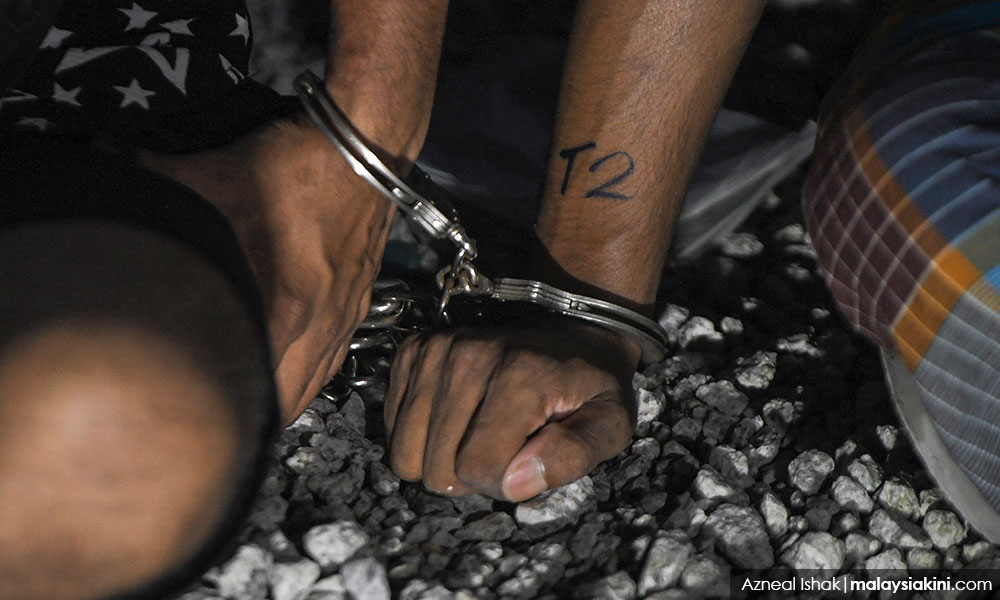

Labour improvements: Govt impervious to critique in trafficking report
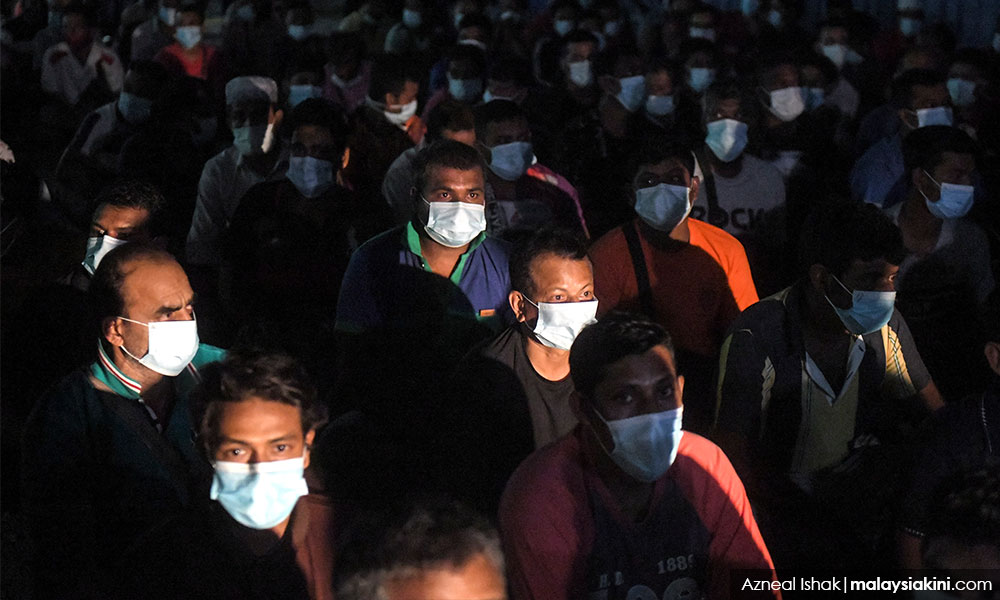
The void in local legislation that promotes the enforcement of zero-recruitment fees seems to be indicative of the government’s disregard for recommendations reiterated in the past four Trafficking in Persons (TIP) Reports.
A government source had confirmed that there was no legislation, policy or even directive to enforce the zero-recruitment cost as part of the state’s effort to address debt bondage, exploitation and forced labour of migrant workers.
The initiative could not be implemented without legislation or even a circular, explained the source, pointing out a loophole that instead perpetuates exploitation.
The 2021 TIP report listed 14 prioritised recommendations to the government, of which many were repetitions from previous reports.
Among them was for...
The void in local legislation that promotes the enforcement of zero-recruitment fees seems to be indicative of the government’s disregard for recommendations reiterated in the past four Trafficking in Persons (TIP) Reports.
A government source had confirmed that there was no legislation, policy or even directive to enforce the zero-recruitment cost as part of the state’s effort to address debt bondage, exploitation and forced labour of migrant workers.
The initiative could not be implemented without legislation or even a circular, explained the source, pointing out a loophole that instead perpetuates exploitation.
The 2021 TIP report listed 14 prioritised recommendations to the government, of which many were repetitions from previous reports.
Among them was for the government to “take steps to eliminate recruitment of placement fees charged to workers by recruiters and ensure recruitment fees are paid by employers”.
The same was advised in the 2020 and 2019 reports while the one in 2018 recommended better protection against debt bondage during the recruitment process.
The government’s justification of inaccessibility to curb the activities of agents in the country of origin was something local NGOs said was easily achieved with a comprehensive bilateral agreement with those countries.
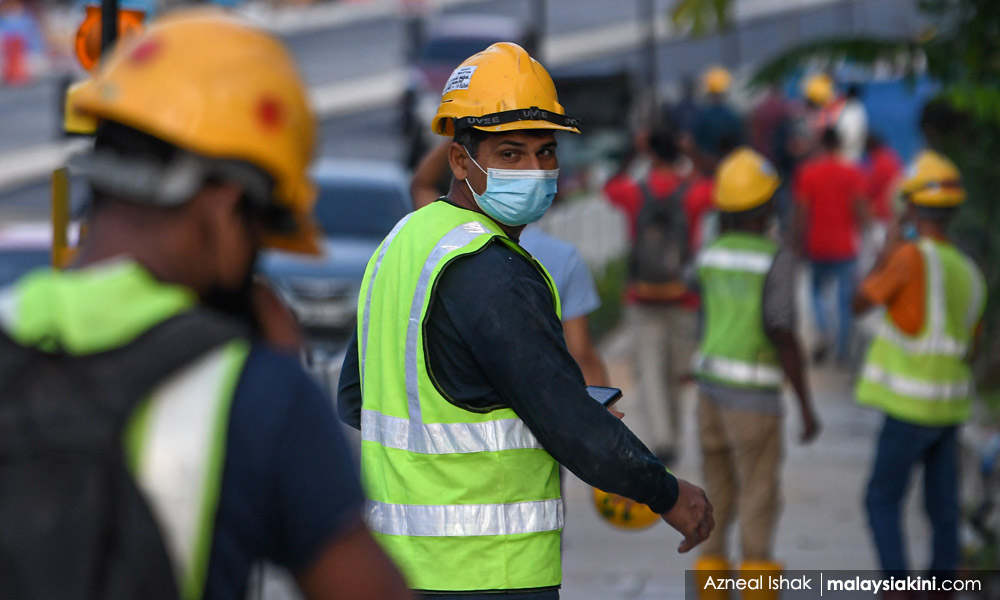
Industry stakeholders like NGOs also pointed out that implementation of such agreements with governments sending labour to Malaysia would be more effective with the participation of stakeholders.
However, these documents remain undisclosed to the public, as well as to government-registered private recruitment agencies that carry out the hiring and placement of migrant workers.
MOU transparency
Malaysia has signed memoranda of understanding (MOUs) with Indonesia, Bangladesh and Nepal. According to Human Resources Minister M Saravanan, the government was in negotiations with India, Vietnam, Thailand and Cambodia.
In January, the minister showed his reluctance to publish the MOUs, just a few months after signing the National Action Plan on Forced Labour 2021-2025.
This was a clear contradiction to the goals set in the action plan to increase transparency and public access to bilateral agreements and MOUs.
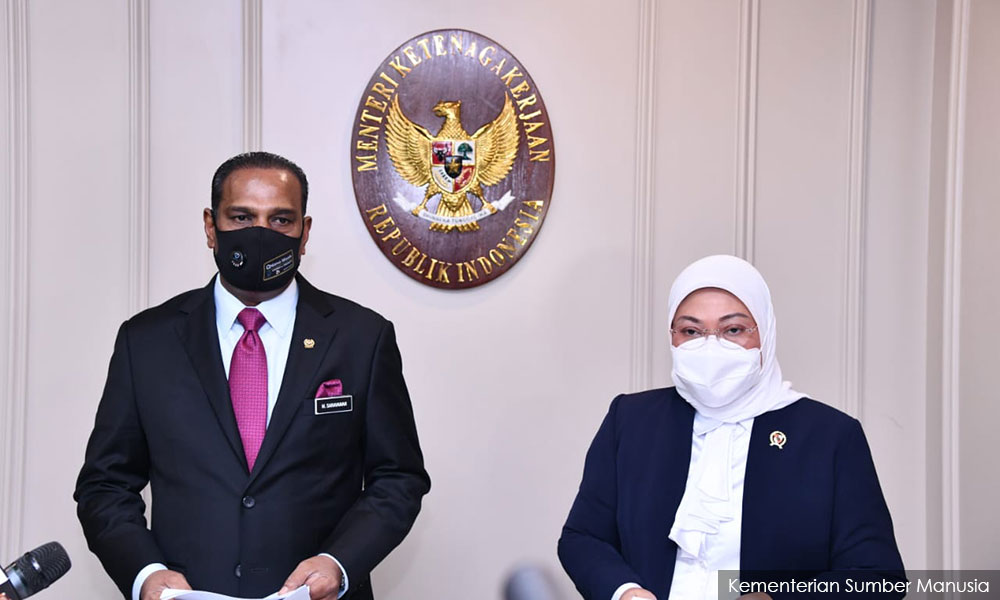
When pressed, Saravanan told Malaysiakini in April that the contract featured in the Malaysia-Indonesia MOU on the Employment and Protection of Indonesian Domestic Workers that was signed on April 1 would be available on the ministry website.
This contract is still not available on the website and the recruitment process for Indonesian domestic workers has already commenced.
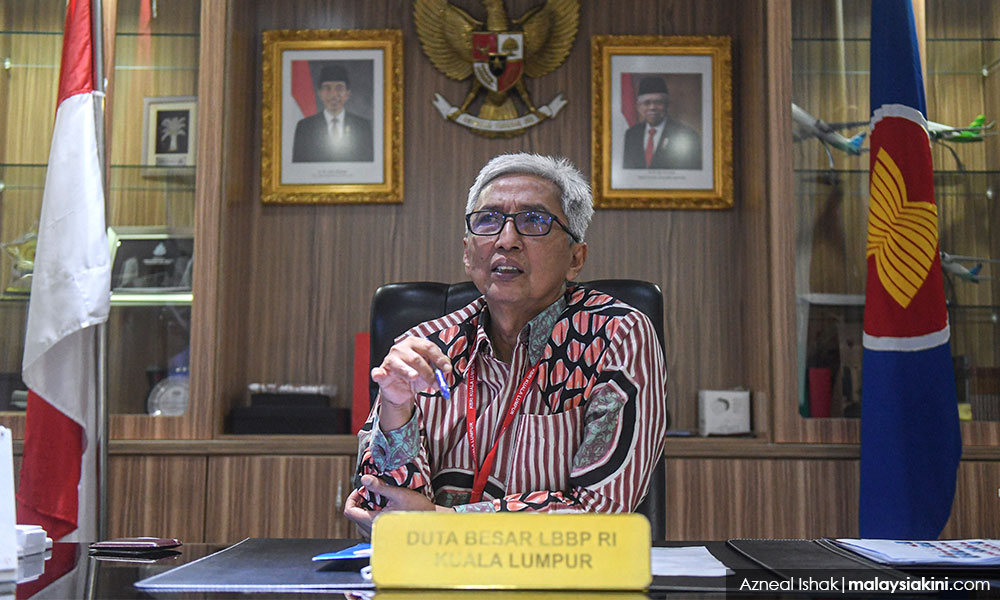
However, Indonesia yesterday implemented a temporary freeze on the entry of its workers into Malaysia, citing a breach of MOU terms on the Malaysian side.
Recruitment fees deductions continue
The government source explained that employers usually had a verbal agreement between the agents and the workers, and detection was tricky as it could be done in many ways.
Even the ironclad Malaysia-Indonesia MOU could be broken, the source added.
“The easiest way would be when new recruits arrived on a calling visa, which is valid for the first three months they are here.
“Employers would wait for three months before applying for the Temporary Employment Visit Pass (PLKS).
“They usually have a verbal agreement with the worker, facilitated by their agents, that their salaries would not be paid until the PLKS came into effect and this was just one method of wage deduction employers got away with,” the source said.
Thriving on an economy of coercion?
Of the goods of seven companies that were withheld by the US Customs and Border Protection (CBP) between 2020 and 2022, only one company had the Withhold Release Orders (WRO) lifted.
Top Glove Corporation Bhd took 14 months to rectify its practices and among the steps taken, according to a CBP statement, was the issuance of over US$30 million (RM133 million) in remediation payments to workers.

The company hired an ethical trade consultant to remediate forced labour in its operations and implement a repayment programme for 12,000 current and previously employed migrant workers, with some reported to have received RM20,000.
Similarly, other Malaysian glove makers that issued remediation payments were Hartalega Holdings, Kossan Rubber Industries and Supermax. Together with Top Glove, they were supplying 65 percent of the global demand.
The Edge reported in mid-2020 that their share prices listed on Bursa Malaysia had surged between 116 percent and 539 percent in the first five months of that year.
By the time Top Glove issued the remediation payments in April 2021, Malaysia had already been downgraded to Tier Three.
Top Glove had also taken steps to improve labour and living conditions for local and migrant workers.
So far, the government has not taken any action against the company, but CBP acting commissioner Troy Miller said: “Top Glove’s actions in response to the WRO suggest that CBP’s enforcement efforts provide a strong economic incentive for entities to eliminate forced labour from their supply chains.”
The ILO estimated that 25 million workers suffer under conditions of forced labour worldwide.
Forced labour elements
Other companies whose goods were being barred from entering the US are FGV Holdings Berhad, Sime Darby Plantation Berhad, Supermax Glove Manufacturing, Smart Glove, Brightway Holdings Sdn Bhd and YTY Industry Holdings Sdn Bhd.
The CBP found each of these companies practised between seven and 11 ILO forced labour indicators.
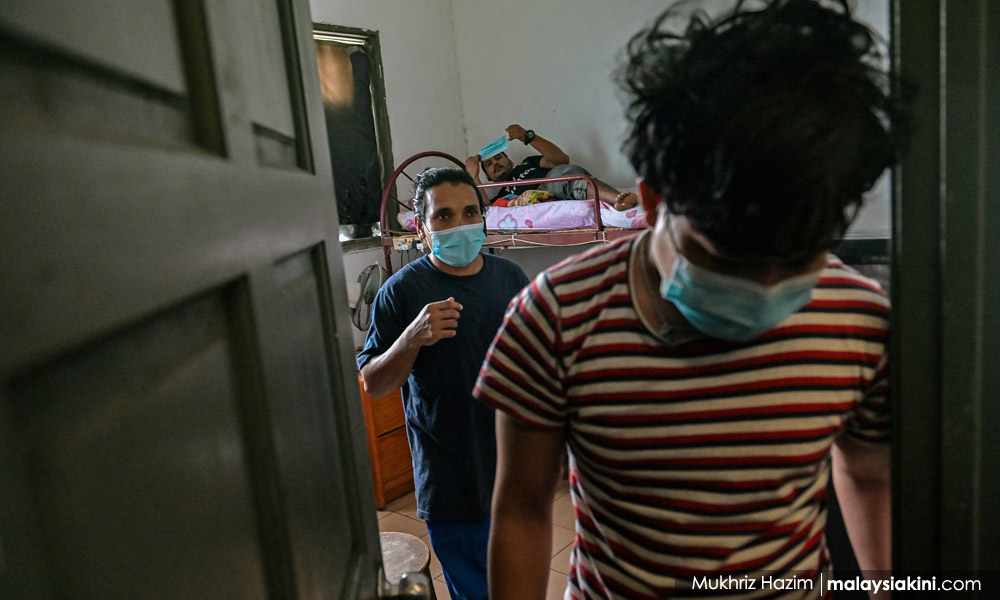
CBP executive assistant commissioner Brenda Smith said in a statement on FGV: “These companies are creating unfair competition for legitimately sourced goods and exposing the public to products that fail to meet ethical standards.”
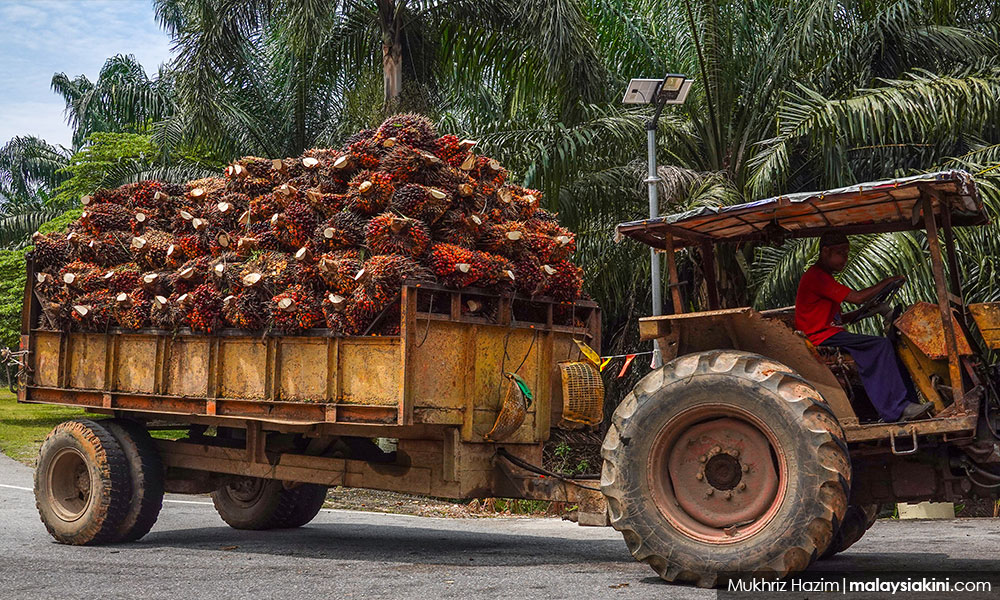
Forced labour elements found in FGV plantations include abuse of vulnerability, deception, restriction of movement, isolation, physical and sexual violence, intimidation and threats, retention of identity documents, withholding of wages, debt bondage, abusive working and living conditions, excessive overtime and concerns of forced child labour.
However, the government has not announced any action against FGV or if an investigation would be carried out, despite having pledged to eliminate forced labour.
Impact of ban
Not on this list are numerous other companies that have had their goods banned but Canada’s import barring of Supermax’s goods shortly after the ban by US customs could be viewed as a different kind of pact.
Canada is a trade partner in the US-Canada-Mexico Nafta 2.0 free trade agreement and similarly, the US has agreements in force with 20 countries, including Australia and Chile, which also have free trade agreements with Malaysia.
While the Victims of Trafficking and Protection Act only imposes sanctions of non-humanitarian and non-trade-related assistance to countries ranked Tier Three, it is hard to gauge how the US's trade partners will react to the blot on Malaysia’s landscape.
Especially if this “blot” remains for another year.
If companies like Hartalega, which denied that the workers had to pay fees to join the company but made hefty remediation payouts (RM40 million in 2020) only because its goods were barred from reaching its lucrative clients, it begs the question of the role of the government that has yet to act.
Meanwhile, amidst a climate of poor transparency in governance that looms over the country, local activists and NGOs are attributing the government’s RM1.7 billion levy collection estimated for 2022, to be coming from migrant workers’ pockets.


Report this comment
Are you sure you want to delete this comment?
This action cannot be undone.