



BNM: Core inflation projection as high as 3 percent this year
Core inflation is projected to be closer to the upper end of the 2.0 to 3.0 percent range this year as demand continues to improve amid the high-cost environment, said Bank Negara Malaysia (BNM) governor Nor Shamsiah Mohd Yunus.
She said upside risks to the inflation outlook would be subjected to the strength of domestic demand, global prices and domestic policy measures.
Core inflation is projected to be closer to the upper end of the 2.0 to 3.0 percent range this year as demand continues to improve amid the high-cost environment, said Bank Negara Malaysia (BNM) governor Nor Shamsiah Mohd Yunus.
She said upside risks to the inflation outlook would be subjected to the strength of domestic demand, global prices and domestic policy measures.
“Nonetheless, the extent of upside pressures on inflation are expected to remain partly contained by existing price control measures, fuel subsidies and the existence of some spare capacity in the economy,” she added.
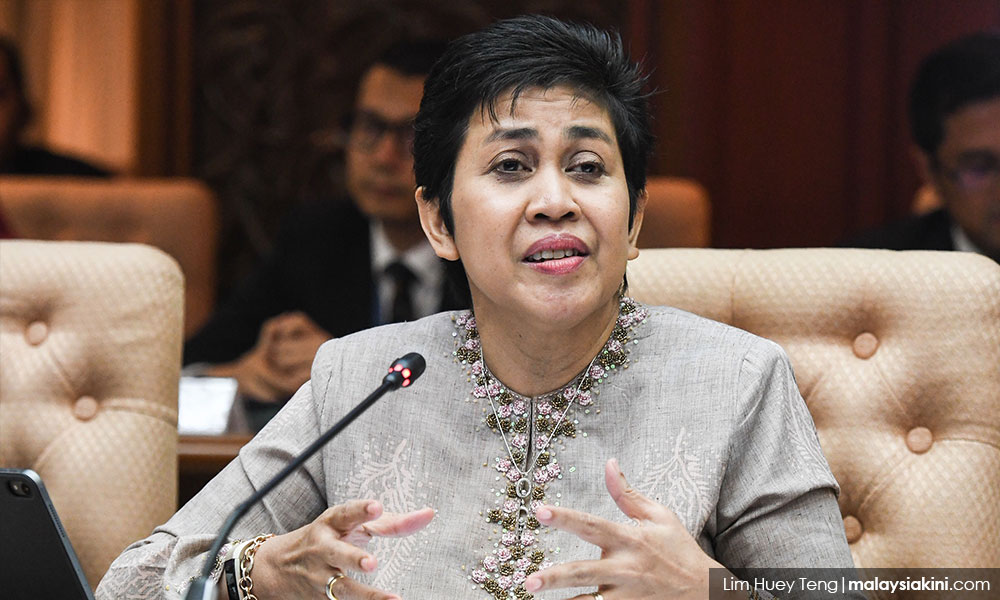
Nor Shamsiah (above) said this during a joint press conference by BNM and the Department of Statistics Malaysia (DOSM) on Malaysia’s second quarter (Q2) 2022 gross domestic product (GDP) performance.
She also noted that the increase in food inflation, which has been the main driver of domestic inflation recently, was mainly caused by higher prices of key global commodity prices.
She added the strengthening of the US dollar had also contributed to rising prices.
“Other global and domestic factors, which vary across goods, are also contributing to food inflation such as logistics, labour costs and demand.
“Moreover, the impact of the exchange rate movements can also vary across different items,” she added.
For the rest of the year, Nor Shamsiah expects headline inflation to trend higher in some months due in part to the base effect of the discount on electricity prices implemented in the third quarter of 2021.
“Overall for Malaysia, these cost pressures have led to higher headline inflation, which rose to 2.8 percent during the quarter and 3.4 percent for June,” she said.
Targeted subsidies? Not now
During the quarter, BNM said headline and core inflation increased to 2.8 percent and 2.5 percent, respectively, as compared to 2.2 percent and 1.7 percent recorded in the first quarter, reflecting an improvement in demand conditions amid the high-cost environment with price increases mainly driven by food items.
“Correspondingly, the share of consumer price index items recording monthly price increases averaged higher at 63 percent. We will continue to monitor these developments,” said the governor.
Whether the implementation of targeted subsidies by the government would push up the inflation rate and impact the economy, Nor Shamsiah said the assistance in the form of targeted subsidies is necessary to strengthen social protection and provide safety nets to help the vulnerable groups.
“We have seen the uneven growth and segments of households and businesses which have yet to recover to pre-pandemic levels.
“That is the rationalisation from a blanket subsidy to targeted subsidy, where the savings that you can get will help the vulnerable groups that may take a longer time to recover from the pandemic and for them to employ new skill, upskill and reskilling to meet with future jobs demand.
“Therefore, the impact you will have on the economy can be managed,” she said.
Nor Shamsiah further said targeted subsidies are best done in a gradual manner and must take into account the current inflation environment, that is when the country is not facing high inflationary pressures.
- Bernama


Report this comment
Are you sure you want to delete this comment?
This action cannot be undone.