


/file/1350/1cf23380478ab70dbddf2eeecd959814.jpeg)

Concerns raised over speculated fuel price float
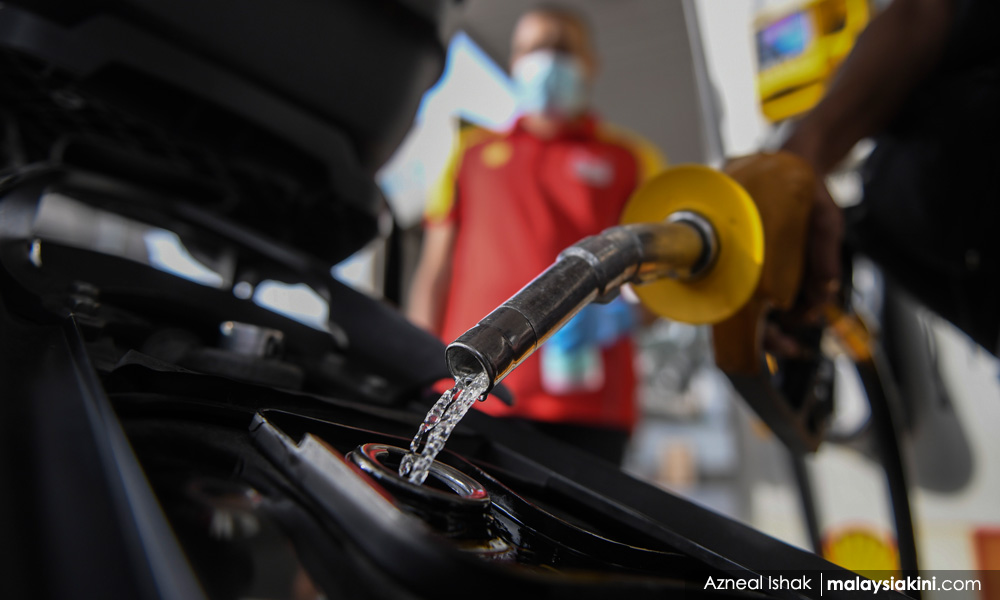
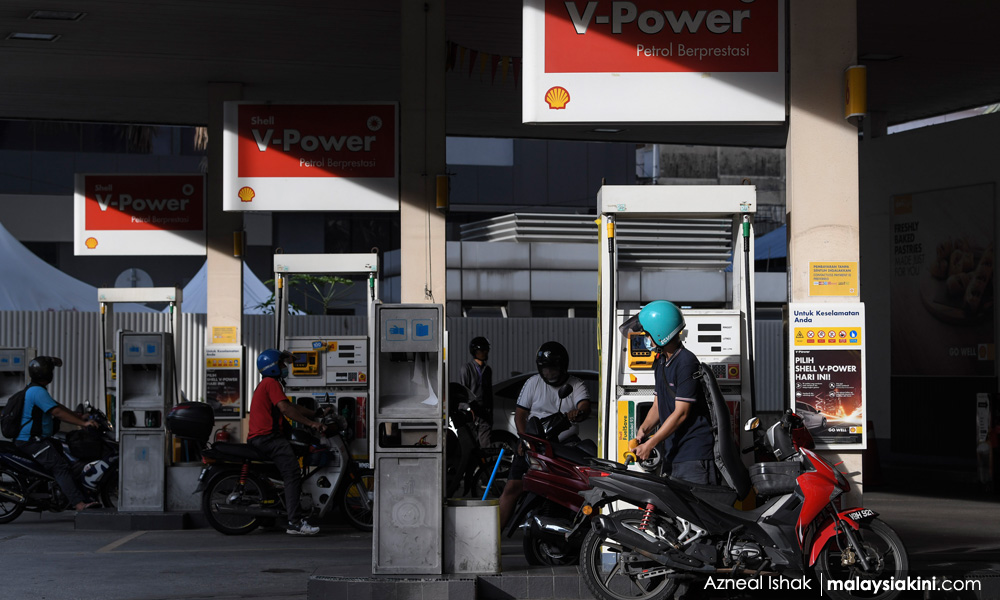
Several lawmakers have raised concerns over the implementation of targeted fuel subsidies in the nation.
This comes after a research note by Maybank Investment Bank predicting that targeted subsidies will likely be implemented next year.
DAP’s Tony Pua said while it made sense in principle...
Several lawmakers have raised concerns over the implementation of targeted fuel subsidies in the nation.
This comes after a research note by Maybank Investment Bank predicting that targeted subsidies will likely be implemented next year.
DAP’s Tony Pua said while it made sense in principle to have targeted fuel subsidies, he questioned if there would be a fair implementation.
“Simply put, someone who’s driving a Porsche should never be subsidised for fuel.
“This was a project we were implementing before it was terminated by the Perikatan Nasional government after the Sheraton Move.
“The question remains though, as to how they intend to implement the system - will it be fair? Will someone driving an eight-year-old Toyota Corolla enjoy the subsidy or will he be blocked? Where is the line drawn?
“Secondly, how will the mechanism work? Will it be cumbersome for both car drivers and petrol station owners? Will the process be efficient? Will it be effective in its targeting, or will the leaks remain excessive?
“These are questions that will need answering by the Finance Ministry,” said the Damansara MP.
‘M40 to be most impacted’
Meanwhile, Subang MP Wong Chen is of the opinion that targeted fuel subsidies will lead to a rise in the price of goods due to increased domestic transport costs, which will drive up inflation further.
Wong noted that the M40 income group will be most impacted by targeted subsidies.
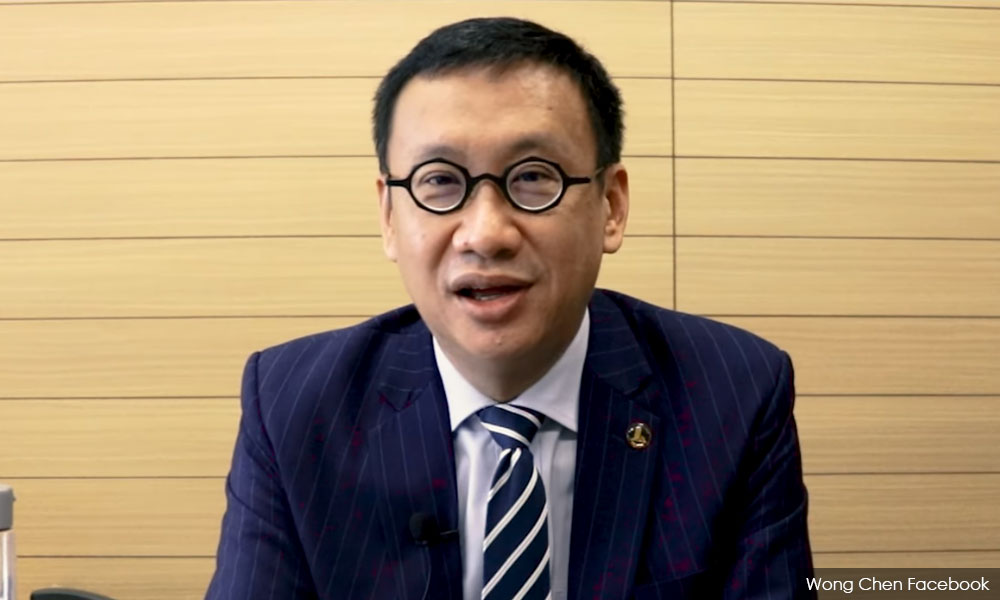
“However, I think the Finance Ministry will try to address the issue by some form of cash transfers to the B40 to offset the rising cost of living.
“The B40 does not consume most of the fuel subsidies, so a cash transfer may be sufficient to offset higher petrol,” he told Malaysiakini.
On Wednesday, it was reported that Maybank Investment Bank predicted that fuel subsidies would be revised next year.
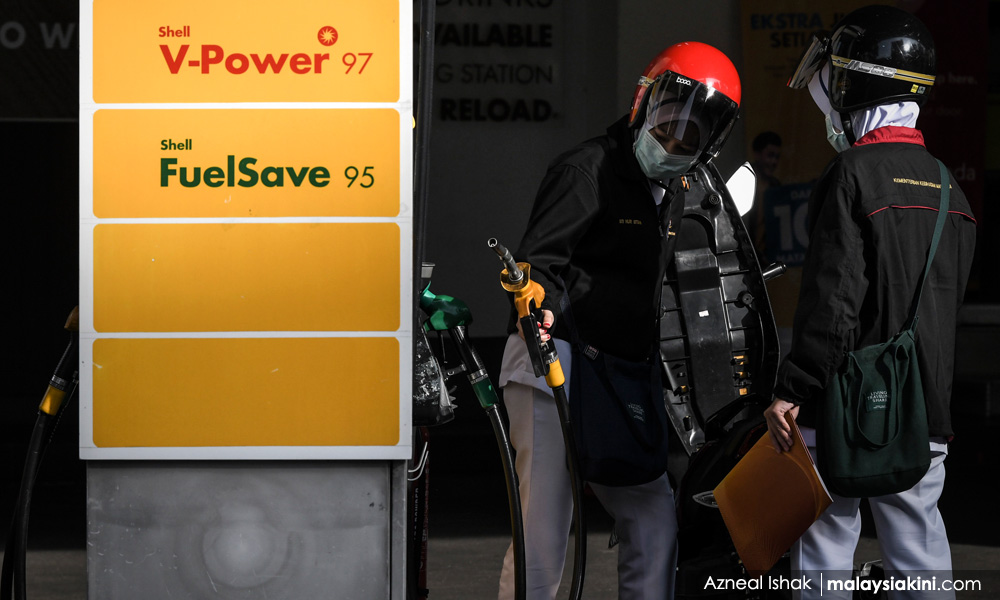
“We expect higher prices of RON95 and diesel next year with the revised fuel subsidy.
"We understand that the testing of the targeted (fuel) subsidy mechanisms started last month and will run for three to six months.
“Therefore, we believe that the fuel subsidy will be reviewed next year as part of the agenda in the 2023 Budget scheduled for Oct 7,” it said in a research note, as quoted by Berita Harian.
The research note was prepared by three Maybank Investment Bank analysts, Zamros Dzulkafli, Suhaimi Ilias and Fatin Nabila Mohd Zaini.
‘Progressive measure’
Meanwhile, Umno information chief and prime minister’s economic adviser Shahril Hamdan could not confirm whether targeted subsidies will be implemented next year.
However, he told Malaysiakini that targeted subsidies were a progressive measure supported by all parties.
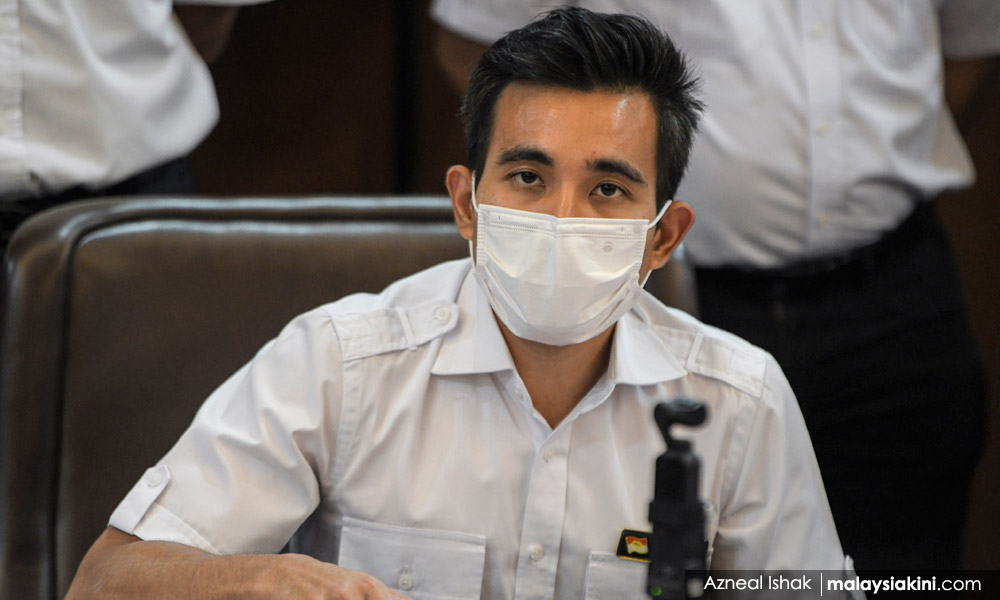
“It has to be implemented as the implementation of blanket subsidies with no target consumes a lot of money and ends up benefiting the segments that don't need it.
“For example, we know that more than 50 percent of fuel subsidies are enjoyed by the T20 (income group).
“What is saved (from targeted subsidies) can be allocated back to the needy through other methods, in addition to various programmes and sustainable national development policies to face various issues today,” he said.
He added that he was confident the government would channel the expenses to activities that boost the economy, be it through planning the green economy or the use of electric vehicles.
“The concept of targeted subsidies needs to be seen in a larger context so that we understand that the savings in question are not to cut corners, but to go into productive things,” he added.
This is supported by Bangi MP Ong Kian Ming who also believes that targeted subsidies will allow the government to spend the budget in a more progressive manner.
However, he said the transition to targeted subsidies must be done in a gradual way so that the people and the market can have time to adjust.
“For example, the price of RON95 can be increased by 10 sen a month for a few consecutive months rather than having a one-shot increase of 50 sen or more to get to the 'market' price.
“Depending on the global economic conditions, there may be a need to maintain some level of fuel subsidies but at a lower level than what we have now,” he said.
Testing mechanisms
Back in July, finance minister Tengku Zafrul Abdul Aziz said the government was testing several proposals of mechanisms for a targeted fuel subsidy system.
This comes after studies by various parties, including Bank Negara Malaysia, revealed that for every RM1 of petrol filled, 53 sen goes to the T20 group.
Zafrul said Malaysia needed to fork out subsidies worth RM71 billion in 2022, of which fuel subsidies alone accounted for RM30 billion following the increase in world crude oil prices and of the amount, RM15 billion went to T20.
The following month, he gave his assurance that the decision to introduce targeted subsidies will only be made when the economic situation permits after the rate of inflation can be properly controlled.


Report this comment
Are you sure you want to delete this comment?
This action cannot be undone.