


/file/publisher-c1a3f893382d2b2f8a9aa22a654d9c97/2020/10/aa0c5631308ef655dcec9ea3ea8da292.jpg)

Environmentalists want lifetime ban on repeat polluters
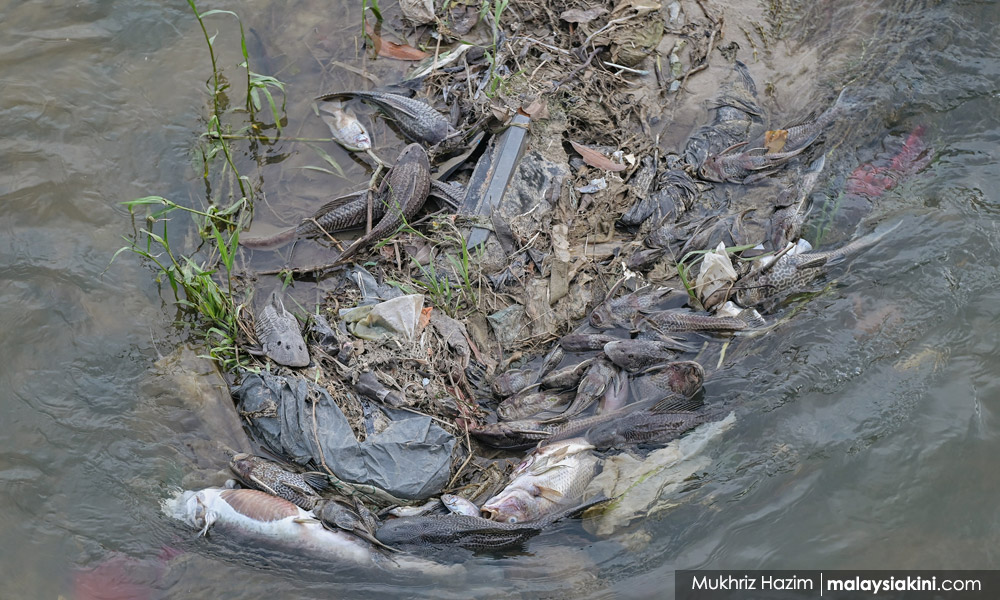
Environmental groups have welcomed heftier fines and harsher punishment against environmental polluters in the latest amendments to the Environmental Quality Act 1974.
However, they called for permanent consequences against repeat offenders such as a lifetime blacklist against directors of companies.
Friends of the Earth Malaysia president Meenakshi Raman said although new amendments were passed...
Environmental groups have welcomed heftier fines and harsher punishment against environmental polluters in the latest amendments to the Environmental Quality Act 1974.
However, they called for permanent consequences against repeat offenders, such as a lifetime blacklist against directors of the companies involved in polluting the environment.
Friends of the Earth Malaysia (Sahabat Alam Malaysia) president Meenakshi Raman said although new amendments were passed in Parliament on Oct 5, the lifetime blacklist clause could be introduced through the minister’s wide powers to make regulations that are enforceable.
“Everyone should start treating and respecting the environment as a living being and strong measures must be taken against repeat offenders.
“Corporations and directors of these corporations who are repeat environmental crime offenders should be blacklisted permanently and should not be allowed to operate.
“Licences should not be issued to companies with directors who have been blacklisted for polluting the environment,” Meenakshi added.
On Oct 10, Environment and Water Minister Tuan Ibrahim Tuan Man said three significant amendments were made to the Act including mandatory imprisonment for polluters, an increase to the minimum compound to 50 percent of the maximum penalty and the establishment of a minimum penalty of RM5,000.

Meenakshi explained that imprisonment would also be meted out to those who flout the prohibition order issued by the director-general under Section 31A of the Act.
Make perpetrators clean up
While agreeing with the lifetime ban, Khazanah Alam Malaysia (Peka) president Damien Thanam described the need for laws that would mitigate existing pollution and place the responsibility for the clean-up process on the perpetrators.
Damien said environmental criminals must bear the cost of the clean-up and the cost of the pollution monitoring systems subsequently installed at their premises.
“The perpetrators must bear the clean-up costs, which should not come from public funding,” he added.
However, Muhammad Sha’ani Abdullah of the Sustainable Development Network Malaysia argues that the lifetime ban may not be feasible because the errant businesses were not under the sole purview of the Environment Department.
“This can only be done if the enforcement of laws is under the local authority that licenses all businesses.
“However, this can be a long-term reform measure that has to be made to reduce duplication and the size of the public services,” he explained.
Heftier fines may not deter
Sha’ani also doubted the efficacy of introducing heftier penalties as a deterrent.
“Increasing penalties will not guarantee compliance with the laws. Increasing penalties in corrupt enforcement may enrich corrupt officials.
“Enforcement should be transparent and officials in charge need to be accountable.
“The identity of the offenders should be publicised along with periodic reports from the ministry on complaints received, action taken and even complaints they were unable to act on due to lack of evidence,” he said.
Sha’ani listed everyone in the ministry as accountable, starting from the ministry’s chief secretary to the respective state and district department heads.
“They are all accountable for the effectiveness of enforcement, prosecution and compliance,” he added.
Sha’ani explained further that fines and penalties were generally paid for the cost of enforcement, therefore the cost of clean-up and on-site monitoring systems should be borne by the environmental criminals.
/file/publisher-c1a3f893382d2b2f8a9aa22a654d9c97/2020/07/57bbc7d39bc5b464a4871679dd907ada.jpg)
/file/publisher-c1a3f893382d2b2f8a9aa22a654d9c97/2021/07/5b7a143287301b9c9fe45c2010a00bdb.jpg)
/file/1192/e6de27a07789c82a3058ee8fa2858b8d.jpeg)
/file/publisher-c1a3f893382d2b2f8a9aa22a654d9c97/2022/09/7e378be4697301af7bbca1ae08d6b7f2.jpg)


Are you sure you want to delete this comment?
This action cannot be undone.