


/file/publisher-c1a3f893382d2b2f8a9aa22a654d9c97/2022/09/7e378be4697301af7bbca1ae08d6b7f2.jpg)

Indigenous tribe in Kuang fears new quarry will lead to pollution, floods
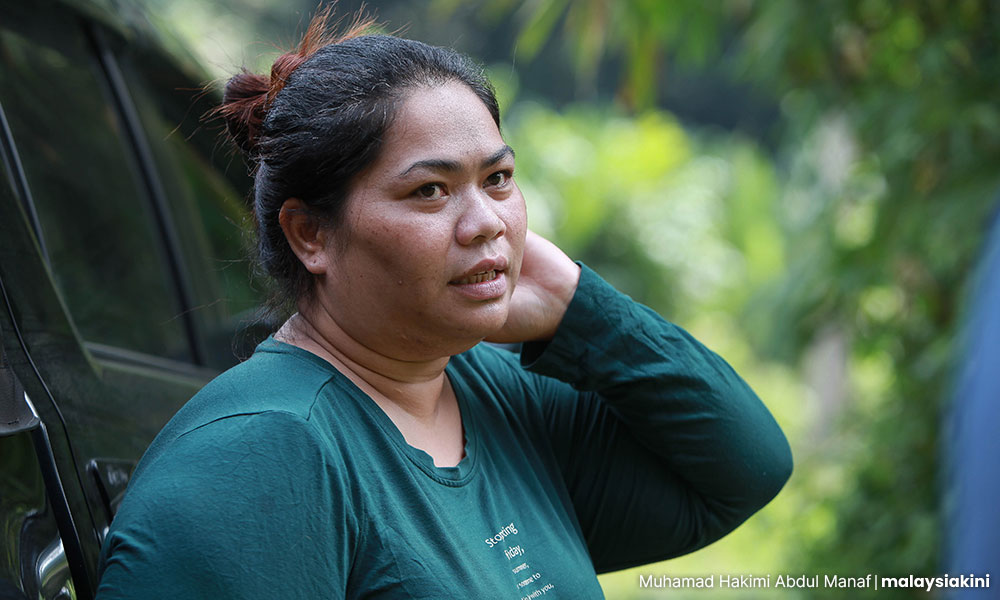
Orang Asli Roha pointed at the tall durian trees on her farm and said she was thankful that her ancestors didn't cut them down and replace them with oil palms.
She recalled how villagers of Kampung Orang Asli Hulu Kuang turned to planting oil palms because it is lucrative.
But Roha's grandfather prohibited the family from doing so, because "our grandchildren will like to eat durian, so we have to keep it"...
Orang Asli Roha pointed at the tall durian trees on her farm and said she was thankful that her ancestors didn't cut them down and replace them with oil palms.
She recalled how villagers of Kampung Orang Asli Hulu Kuang turned to planting oil palms because it is lucrative.
But Roha's grandfather prohibited the family from doing so, because "our grandchildren will like to eat durian, so we have to keep it".
Roha and her family have durians to eat due to her grandfather's foresight, and they even have extra income.
However, Roha's grandchildren might not be as lucky.
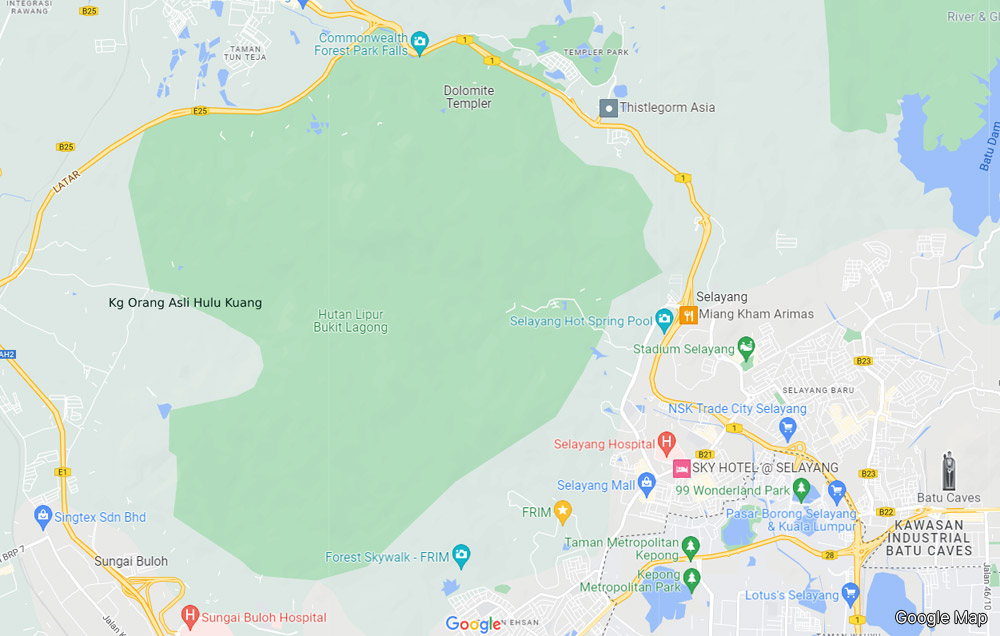
Hulu Kuang is located on the west side of Bukit Lagong Forest Reserve. From the satellite image, it looks like the indigenous village is located at the mouth of a green apple that has been bitten off.
Roha's durian farm was inherited from her ancestors and is located at Bukit Lagong's foothills, 1km east of the village.
A group of government officers went for a site visit last year and told Roha that a company planned to carry out a quarry project on a hillside next to her farm.
Once the quarry project is implemented, Roha's 4.04ha durian farm would need to give way to the quarry site.
“They told me the durian farm is too close to the proposed quarry site, and that when they explode the rocks, the rocks will fall down and damage the farm.”
The 40-year-old mother lamented: “I want to keep the land… but they are from the Forestry Department. We can’t do anything, because we, indigenous people, don’t have land titles.”
Rock explosion shattered houses
The new quarry project near Roha's durian farm is one of 27 quarry sites being sold online - as was revealed recently by the Rimba Disclosure Project (RDP).
RDP found that the Bukit Lagong Forest Reserve has 27 proposed quarry projects and that two Orang Asli villages were located within the area, namely Kampung Orang Asli Hulu Kuang and Kampung Orang Asli Sungai Buloh.
Kampung Orang Asli Hulu Kuang - where Roha lives - bears the brunt of the plan for quarries. This long-time settlement has 600 villagers, the majority of them being Temuan and Semai.
Even worse, the Hulu Kuang Orang Asli community has been disturbed by quarries for a long time, as both the southeast and southwest sides of the village have one quarry each.
The quarry on the southwest side is located just next to the village, separated by a river.
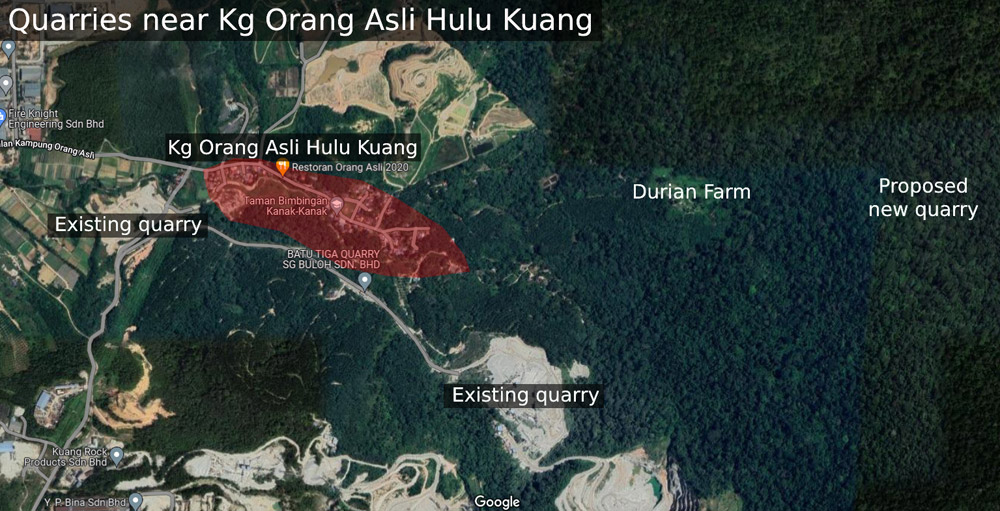
Then, there is a quarry road crossing to the south of the village.
Hence, once the proposed quarry site is carried out in the east, the village will be "surrounded" by quarries.
The villagers complained that their lives were already strongly affected since the existing quarries started around 20 years ago.
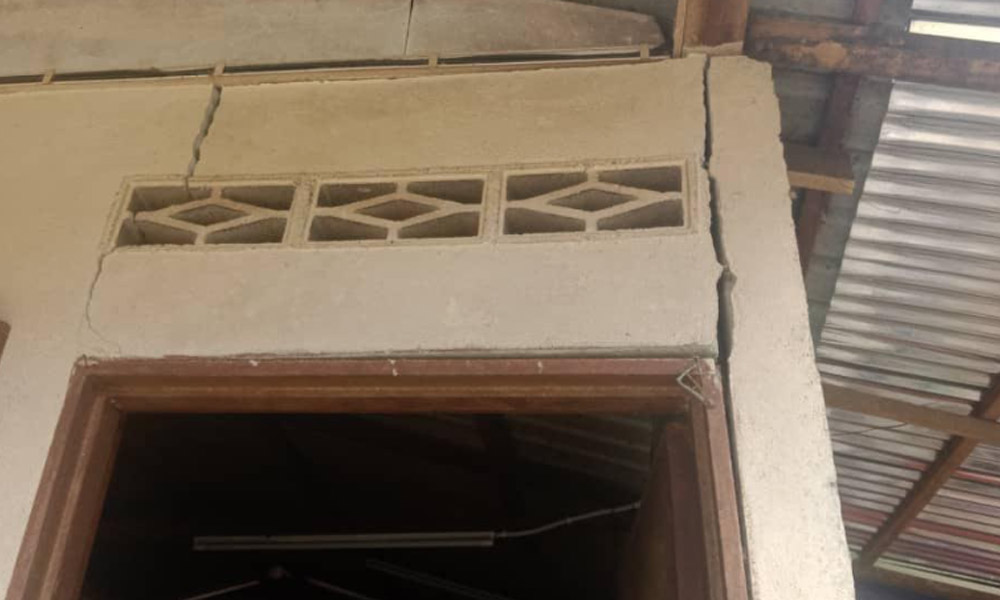
For instance, the rock explosion activities caused vibrations and led to cracks in houses, with the villagers having to spend money to repair and enhance the structures.
Roha pointed out that quarry lorries kicked up plenty of dust, which deposited on leaves and undermined fruit harvests.
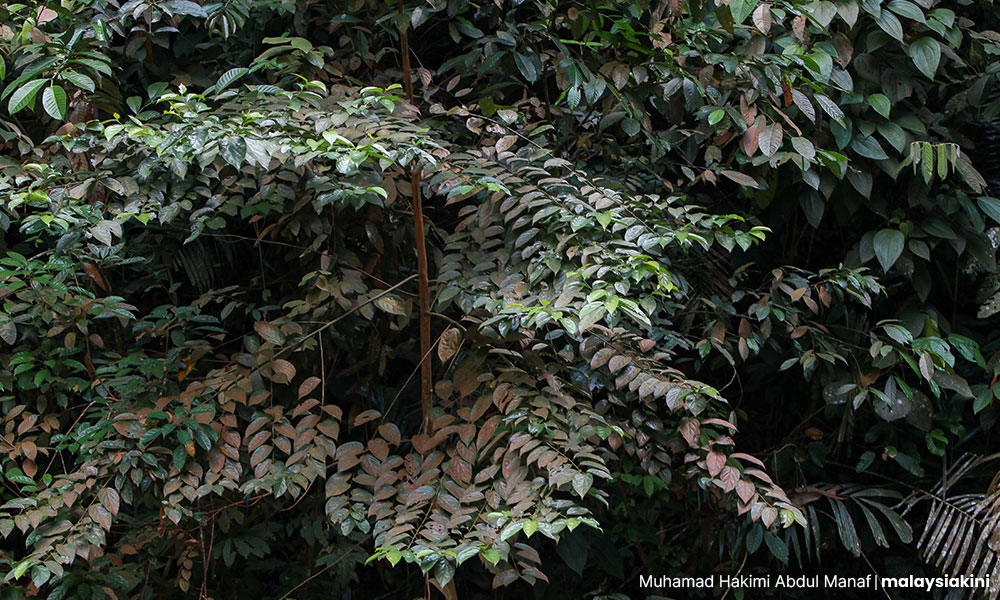
She is also concerned that the dust will trigger respiratory diseases in the children.
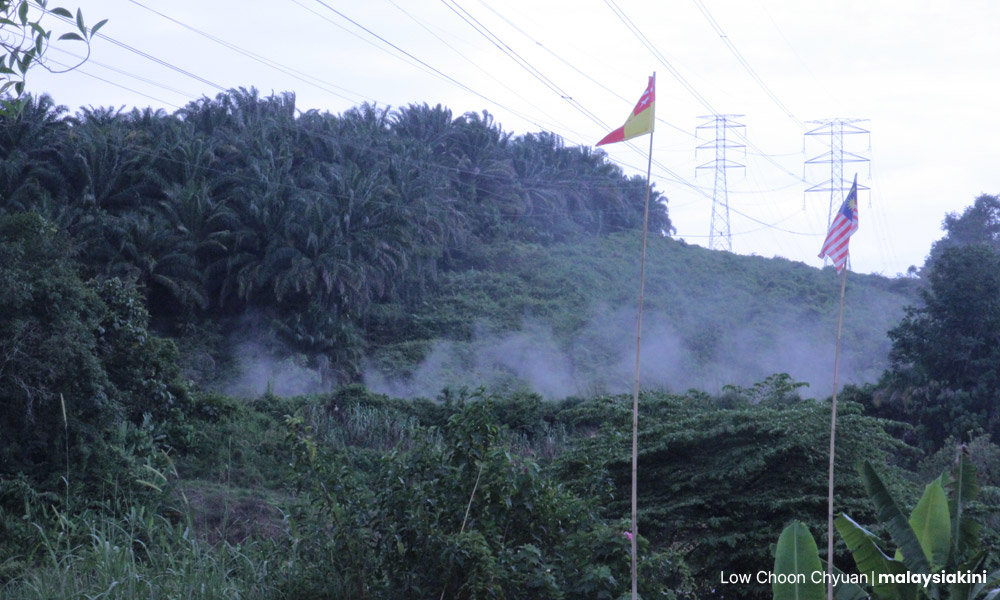
Mohamad Zairi, the president of the villagers’ association, pointed out that quarry sites often accumulate uncleared sands on the hill.
Zairi went on to express the fears of the villagers that a landslide could occur, at any time, and he added that members of the villagers’ association went on site visits regularly to avoid any tragedy.
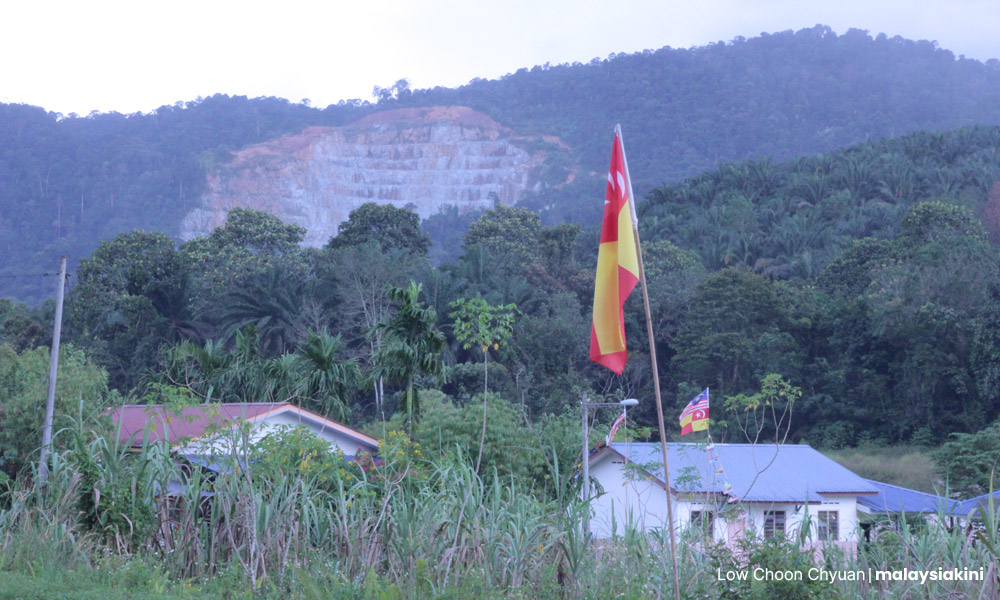
Because of the issues caused by the current quarries, both Roha and Zairi - and the Orang Asli villagers as well - object to the opening of a new quarry.
Fears of the river being polluted
The new quarry might also pollute the river and cause more frequent floods.
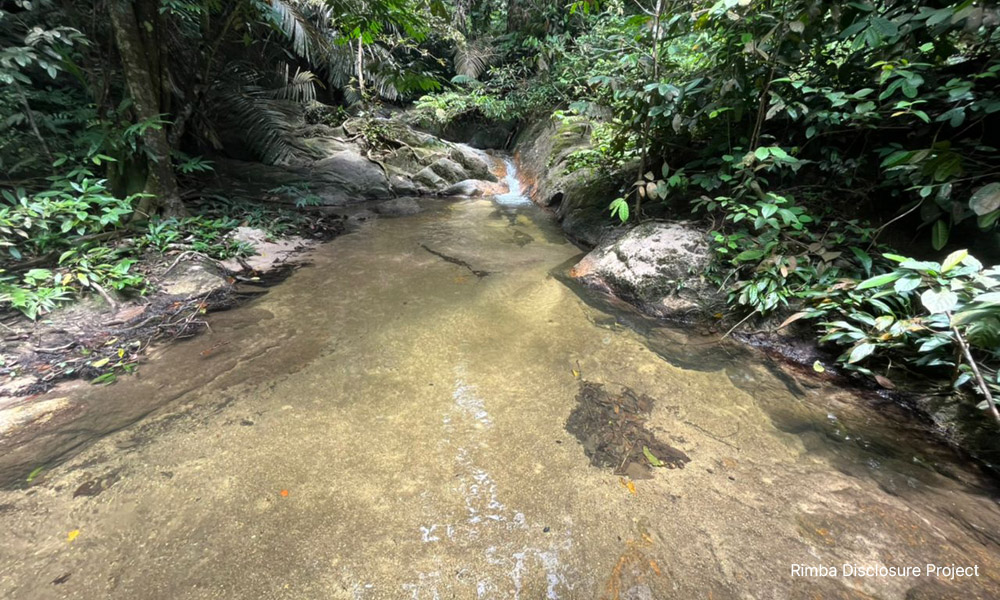
Zairi explained that there are two rivers near the village. Sungai Manau has less water, therefore, the villagers rely on Sungai Kuang for their daily water usage.
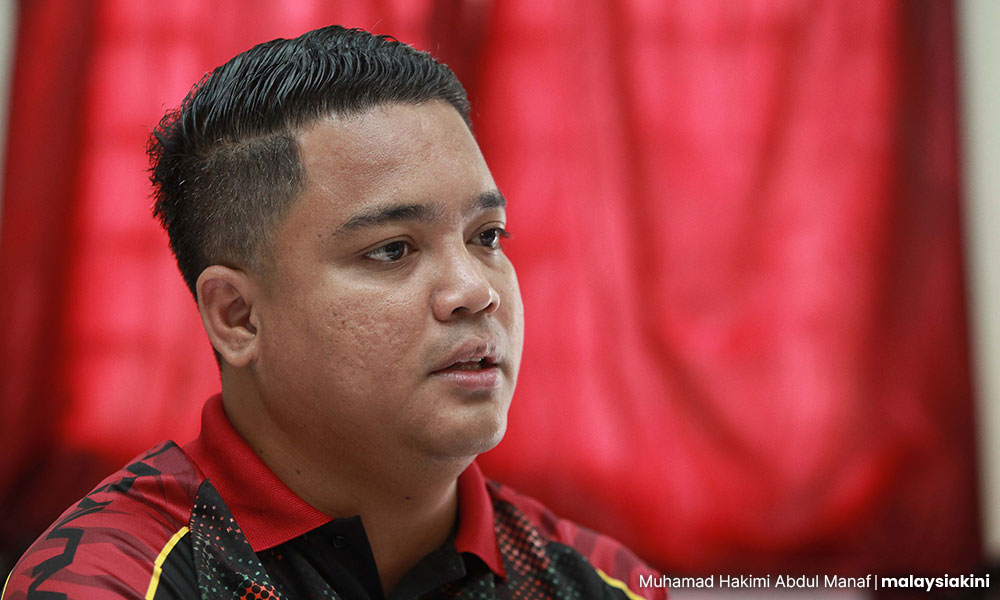
Unfortunately, the source of Sungai Kuang is located within the proposed quarry area.
“When there is water disruption, the faucet doesn’t supply much water, then the villagers will go to the river to get water or wash the clothes there.
“The proposed quarry is close to the river’s upstream. If the river is polluted and there is water disruption, where can the villagers get water supply?” asked Zairi.
Roha shared the same sentiment, saying that the river is the place where villagers go for baths, entertainment and fishing, and it is full of memories.
Concerns over floodings
Roha recalled the time when the water level of the river was high and seeped into the village.
She suspected that the main cause of the floods was the overdevelopment of the Bukit Lagong Forest Reserve.
A flood warning alarm system was installed in the village, but the villagers complained that “when the water rises calf-length, the alarm keeps sounding but no one helps us”.
They could only run to a higher place to save their lives.
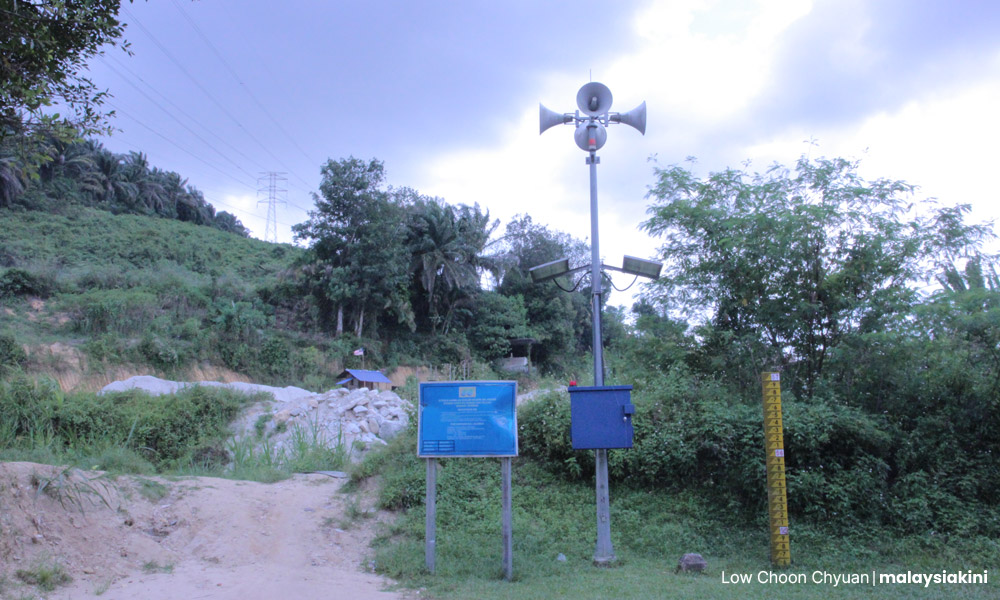
The government raised the river cliff and there were no floods in recent years.
However, Roha worries that more quarry activities - which require more deforestation in the Bukit Lagong forest - would disrupt the environment and bring more natural disasters to the village.
/file/publisher-c1a3f893382d2b2f8a9aa22a654d9c97/2022/09/d987831571d0265a8ed9d15f723f846d.jpg)

/file/publisher-c1a3f893382d2b2f8a9aa22a654d9c97/2021/03/91f65e9a428738a7ec75da89c4bc8b2d.jpg)



Report this comment
Are you sure you want to delete this comment?
This action cannot be undone.