


/file/publisher-c1a3f893382d2b2f8a9aa22a654d9c97/2023/10/280529aadc09aed795704ba79f2433b7.jpg)

Bankruptcy amnesty for those under 40 with less than RM200k debt
BUDGET 2024 | The Second Chance Policy on bankruptcy amnesty will be extended next year to young people aged 40 and under who have debts not exceeding RM200,000.
Prime Minister Anwar Ibrahim announced this while presenting Budget 2024 in Parliament today.
“As of July, almost 14,000 bankruptcy cases with small debts of below RM50,000 have been...
BUDGET 2024 | The Second Chance Policy on bankruptcy amnesty will be extended next year to young people aged 40 and under who have debts not exceeding RM200,000.
Prime Minister Anwar Ibrahim announced this while presenting Budget 2024 in Parliament today.
“As of July, almost 14,000 bankruptcy cases with small debts of below RM50,000 have been discharged from bankruptcy.
“As a result of the implementation of the Second Chance Policy, the Insolvency (Amendment) Act 2023 has also automatically exempted current and past cases that met the requirements from declaring bankruptcy,” the finance minister said.
Earlier this month, Minister in Prime Minister’s Department (Law and Institutional Reform) Azalina Othman Said announced that the new amendments to the Insolvency Act 1967 aimed at giving those who are bankrupt a “second chance” will be enforced effective Oct 6.
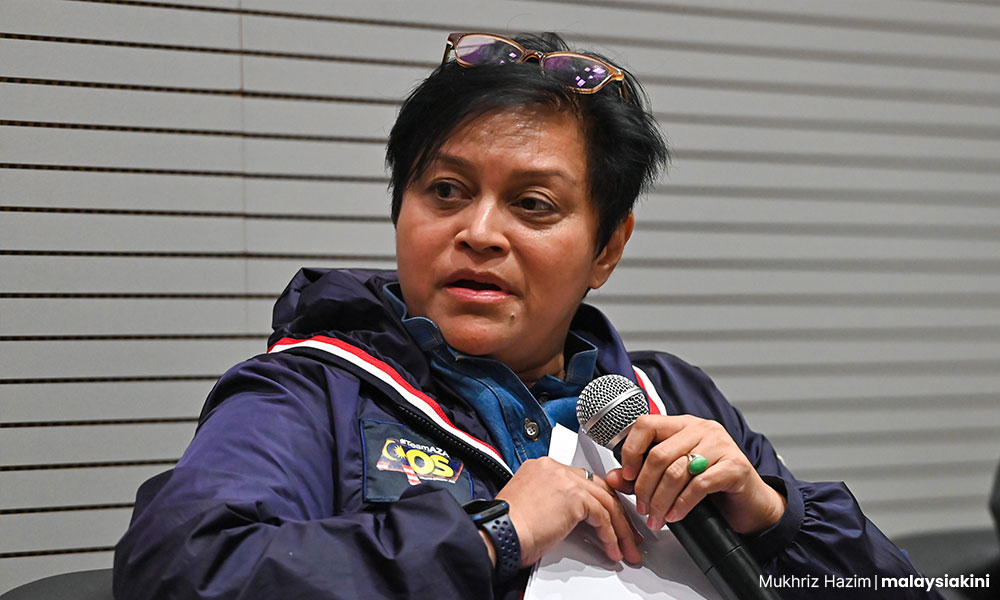
Azalina said that in line with the objectives of the Second Chance Policy, amendments to Section 33C and Subsection 33B(2A) will be enforced retrospectively for bankruptcy cases administered before the commencement of the amendments.
“The Second Chance Policy aims to release up to 130,000 individuals who have declared bankruptcy, up to a period of one year after the amendments come into force.
“This amount is half of the total number of cases being administered by the Insolvency Department,” Azalina added.
Faster process
The minister pointed to Section 33C of the Act which was amended to help automatically discharge bankruptcy within a period of three to five years from the date the individual submitted their statement of affairs.
The amendments also state that one’s bankruptcy status can be discharged through the department’s director-general’s certification without going through the creditor’s objection procedure.
However, this is only if they are unable to handle their affairs due to mental illness or if they are 70 years old and above, who according to the director-general’s discretion, is unable to contribute to the bankruptcy administration.
Bankruptcy governance will also be improved by using electronic communication for the handling of creditor meetings and the submission of notices and bankruptcy administration documents.
In addition to that, the director-general’s obligation to hold the first meeting with the creditors has been abolished to speed up the administration of bankruptcy procedures.
/file/publisher-c1a3f893382d2b2f8a9aa22a654d9c97/2023/07/8c841ab3278e14e4796bedff9dfaa8a9.jpg)
/file/1207/1f623d4467d6972b2c7558734215c735.jpeg)
/file/publisher-c1a3f893382d2b2f8a9aa22a654d9c97/2020/02/0249d031dc29413a72c6e77636f4715d.jpg)
/file/publisher-c1a3f893382d2b2f8a9aa22a654d9c97/2023/04/62c9f0bc33e1784c4d836b9545522cd8.jpg)


Are you sure you want to delete this comment?
This action cannot be undone.