


/file/publisher-c1a3f893382d2b2f8a9aa22a654d9c97/2024/10/b18c9feee6c3b709a5e22ce226b0745e.jpg)

Impose moratorium on caning sentence, LFL urges govt
Lawyers for Liberty (LFL) has urged the government to immediately impose a nationwide moratorium on caning sentences pending a probe into the death of an inmate at a Kedah prison last week.
The human rights group's director Zaid Malek said the "barbaric and archaic" punishment which was introduced during the British colonial rule to inflict...
Lawyers for Liberty (LFL) has urged the government to immediately impose a nationwide moratorium on caning sentences pending a probe into the death of an inmate at a Kedah prison last week.
The human rights group’s director Zaid Malek said the “barbaric and archaic” punishment, which was introduced during the British colonial rule to inflict extreme pain and suffering on an offender, has no place in modern society.
He was responding to the demise of inmate Zaidi Abd Hamid, 49, reportedly from bacterial infection in the blood after he was caned at the Pokok Sena Prison, on Oct 7.
Zaidi reportedly started bleeding severely a week after the caning, which alarmed his family, especially given his pre-existing condition of high blood pressure.
“Zaidi, whose death sentence was commuted to imprisonment of 33 years, would have had the chance to be released after serving his sentence.
“It is sickening that his second chance at life was lost due to the effects of the caning that he had to endure. He escaped the gallows, only to die unlawfully and brutally by the cane,” Zaid said in a statement today.

He further decried the “callous and irresponsible” silence from the home minister and the government over Zaidi’s death.
“This indifference is unjust and cruel to the family of Zaidi. They are entitled to answers.”
Jail is sufficient
Zaid questioned why the inmate was allowed to undergo caning in the first place, given his medical history of high blood pressure and diabetes.
He slammed the Prison Department, which said it initiated an internal investigation to review the standard operating procedures (SOPs) that were followed following Zaidi’s death.
The prisoner’s death showed the “abject failure” of the prison medical officer, who is responsible under Section 290 of the Criminal Procedure Code to determine if an offender is fit to be caned, Zaid added.
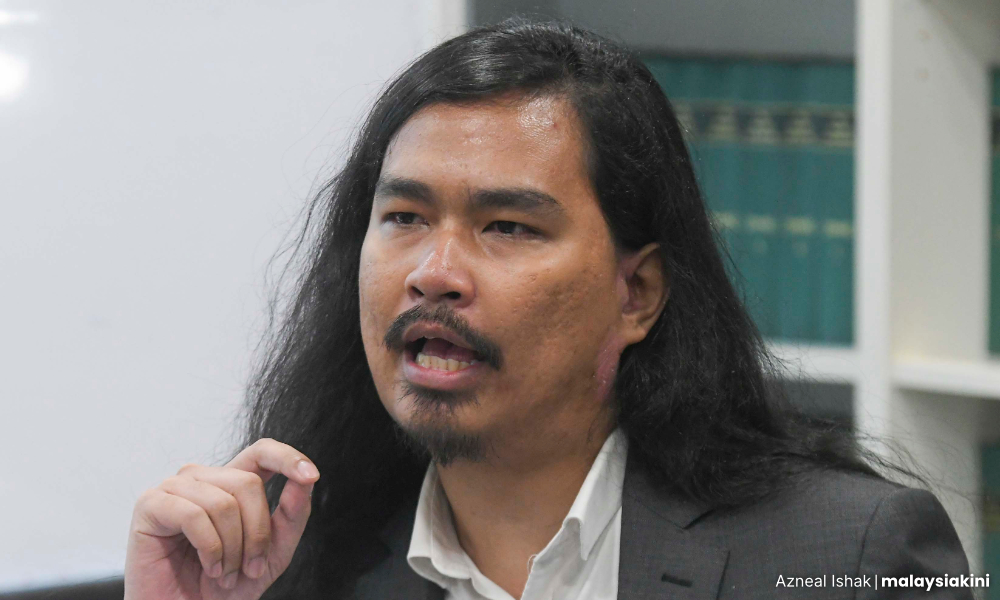
Stressing the importance of doing away with caning, Zaid said imprisonment is enough to ensure the public is safe from serious crime.
“The government has a duty under Article 5 of the Federal Constitution to ensure that life and liberty of every person is protected, and this right extends equally to prisoners.
“Those who are not sentenced to death must be protected from any and all possibilities of death while they are in the custody of the state.
“It is obvious that while the punishment of caning is in place, the government is gambling with the lives of these prisoners, and the hopes of their families awaiting their release.
“We strongly urge the government, which says it is reformist, to abolish the punishment of caning, which is barbaric, inhumane, and potentially fatal.
“It is high time that our country turns away from brutal penal punishments and invests instead in rehabilitation of prisoners.”
Why still use cruel methods?
Echoing Zaid’s sentiments, Tenaganita reminded the public that undocumented migrants are also subjected to caning in detention centres nationwide.
“Why do we feel the need to be so cruel, to the point where we torture and kill another human being?
“This (Zaidi) case is being highlighted because the victim is Malaysian but we cannot forget that hundreds of undocumented individuals are also subjected to caning in detention camps across Malaysia,” its executive director Glorene Das said in a statement.
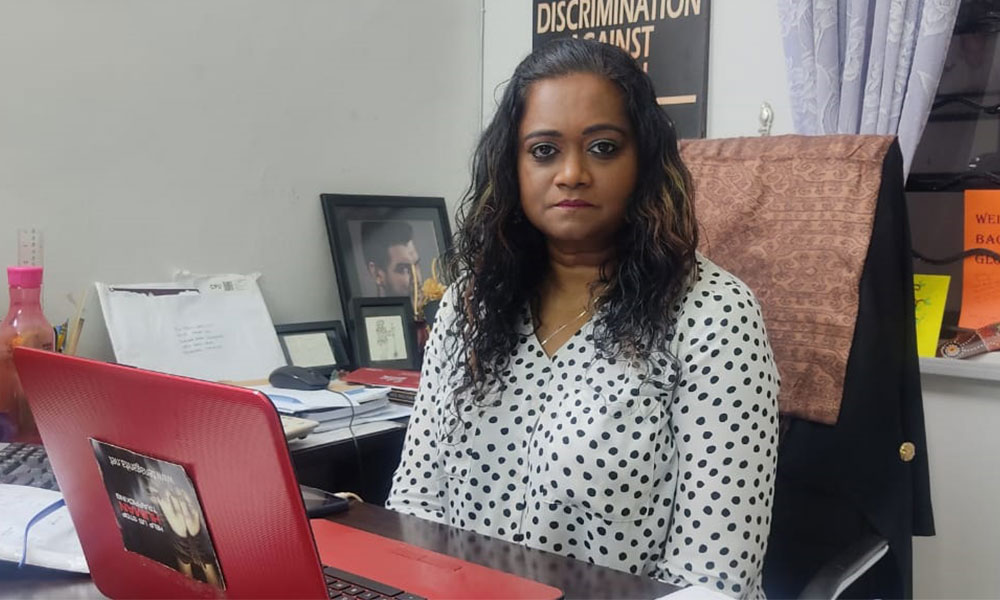
Government officials, she said, regularly use caning to tear into the flesh of prisoners, with the cane striking at speeds of up to 160km per hour.
“The force shreds the victim’s naked skin, turns fatty tissue into pulp, and leaves permanent scars, sometimes extending into muscle fibres.
“Blood and flesh are splattered, often mixed with urine and faeces. This inhumane spectacle, hidden from public view, leaves behind broken bodies and souls.”
Are all M’sians complicit?
Calling the punishment draconian and cruel, Glorene said the public must ask why such brutality persists and is justified under the guise of punishment.
“In a recent incident, the caning of a child ended with the person responsible being sentenced to 10 years in prison.
“But when a similar punishment leads to death by the government, who should be charged? Is it just the individual who carried out the caning, or are we all, as a society, complicit in this cruel system?” she asked.
Glorene was referring to the case of a 23-year-old member of Global Ikhwan Service and Business Holdings (GISBH) who was sentenced to 10 years in jail after pleading guilty to causing physical injuries to three children, aged between 10 and 12, under his care.
Meanwhile, Malaysians Against Death Penalty and Torture (Madpet) said it was likely the caning caused Zaidi’s demise.
“So, who should we charge for this caning that resulted in death? Should the person who did the caning be charged with murder? Or are all Malaysians guilty?
“Time to consider the abolition of this caning/whipping sentence which is now one of the sentences for some criminal offences in Malaysia.”
/file/publisher-c1a3f893382d2b2f8a9aa22a654d9c97/2023/12/c0804f64df589dd65f8ecea83e1e6dd7.jpg)
/file/1090/e8deeeb7489246b4691f6d747880d36d.jpg)
/file/publisher-c1a3f893382d2b2f8a9aa22a654d9c97/2024/04/386882ce803fa087cf2c4e01a982c25c.jpg)
/file/publisher-c1a3f893382d2b2f8a9aa22a654d9c97/2024/09/61ed72c8f67ec762bf6a52a74864db64.jpg)
/file/publisher-c1a3f893382d2b2f8a9aa22a654d9c97/2024/07/25a3744ceea1ca38d2ee51ec954a4f7b.jpg)


Are you sure you want to delete this comment?
This action cannot be undone.